Build venue accessibility information around the full fan journey, with operational owners, precise route details, accessible formats and live change control.
A venue accessibility information guide explains how disabled fans can plan, reach, enter, use and leave an event—not merely which facilities exist. It should describe the real journey, identify how to request assistance and stay current when temporary event conditions change.
Useful information reduces uncertainty before purchase and arrival. Generic statements such as “the venue is accessible” do the opposite: they hide the route, assistance model and limits that determine whether a fan can participate.
This guide is an operating framework, not a compliance certificate or legal advice. Accessibility duties and technical requirements vary. Work with disabled people, qualified access professionals, the venue and applicable authorities.
What should venue accessibility information include?
Cover booking and access requests; transport and parking; drop-off; surfaces, gradients and distances; entrances and queues; security; seating and viewing; toilets; food and water; sensory and communication support; assistance animals; medical and welfare services; evacuation information; departure; contact routes; and how changes will be communicated.
The page should let a fan make a decision, not force them to decode a list of facilities.
Build one Promise-to-Path loop
The Promise-to-Path loop is a WENOTIFT operating model. It prevents a communications team from publishing a promise that operations cannot recognise or maintain.
Start with fan decisions, not venue departments
Fans plan in sequences: Can I buy the right ticket? Can I reach the site? Where do I enter? What happens at security? Can I see, hear, rest, use a toilet, buy water and leave safely? Organise the page around those decisions.
W3C's Making Events Accessible checklist recommends accessible venues and event materials, accessible remote participation and advance consideration of communication needs. GOV.UK's inclusive communication guidance likewise advises offering event information in accessible formats and giving enough notice to arrange support.
Turn each stage into specific, observable information. Name the nearest step-free transport point, who controls accessible parking, the drop-off surface, approximate route and rest points, entrance identifier, queue support and the contact channel for individual questions. Use measurements only when verified and state whether they are permanent or event-specific.
Assign an operational owner to every promise
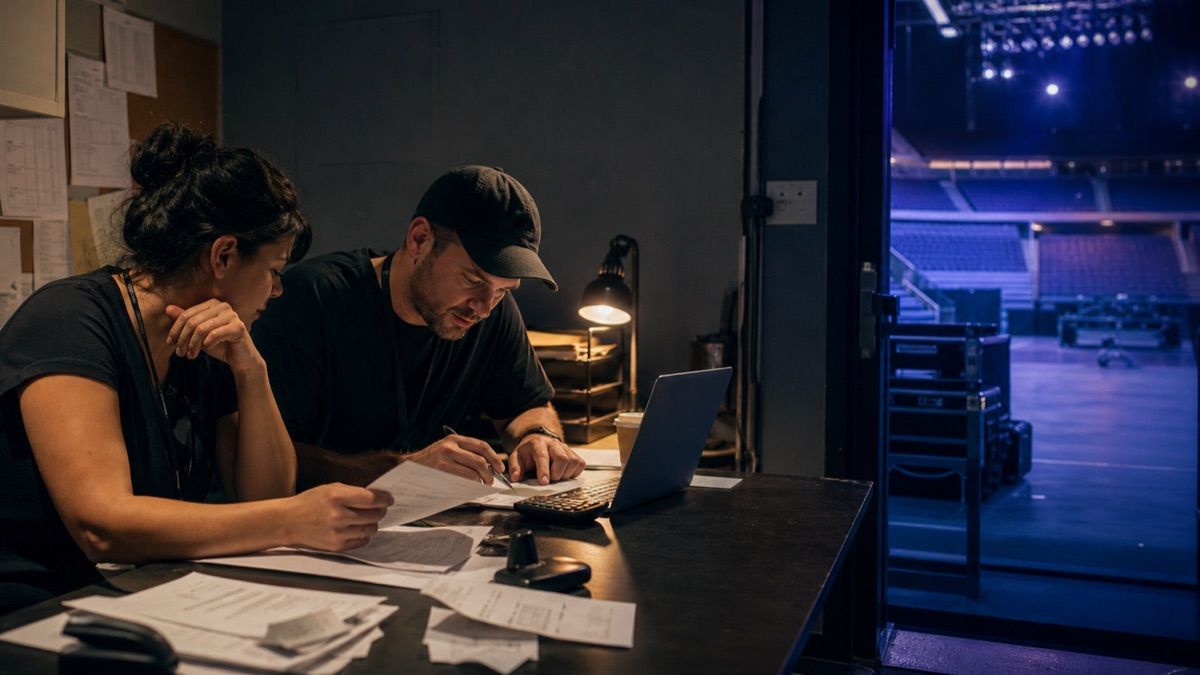
An accessibility page spans ticketing, transport, venue operations, security, guest services, production, food and beverage, welfare and emergency planning. Give each statement a source owner, verification date and change trigger.
“Accessible entrance opens at 17:00” needs an owner who controls the gate, staffing and queue. “Captioning is available” needs the format, location, schedule and failure route. “A quiet space is provided” needs operating hours, access conditions, capacity approach and staff knowledge.
Create a content register that links the public wording to the operational plan. Review it at event readiness meetings and after material site changes. The web team should not be the final authority on a route it does not operate.
Describe the journey with decision-level detail
| Journey stage | Information fans need | Operational proof | Change trigger |
|---|---|---|---|
| Booking | Ticket type, companion policy, request route, response time | Ticket configuration and service procedure | Inventory, policy or platform change |
| Arrival | Transport, parking, drop-off, surface, distance and gradient | Route walk and transport confirmation | Road closure, weather or site redesign |
| Entry | Gate, queue support, security process and prohibited-item exceptions | Gate brief and security procedure | Gate swap or screening change |
| Participation | Viewing, seating, captions, interpretation, hearing support and sensory provision | Production schedule and equipment test | Set, schedule or supplier change |
| Facilities | Toilets, water, food, medical, welfare and quiet space | Opening check and staff allocation | Outage, relocation or capacity issue |
| Departure | Pick-up, lighting, crowd flow and assistance after show | Egress and transport plan | Curfew, congestion or route closure |
Link weather-affected routes to WENOTIFT's accessible-route recovery plan. For sponsor areas, use the companion-ticket and guest-journey framework. The public page should explain the result without exposing private operational or security detail.
Make requests easy without making them the only route
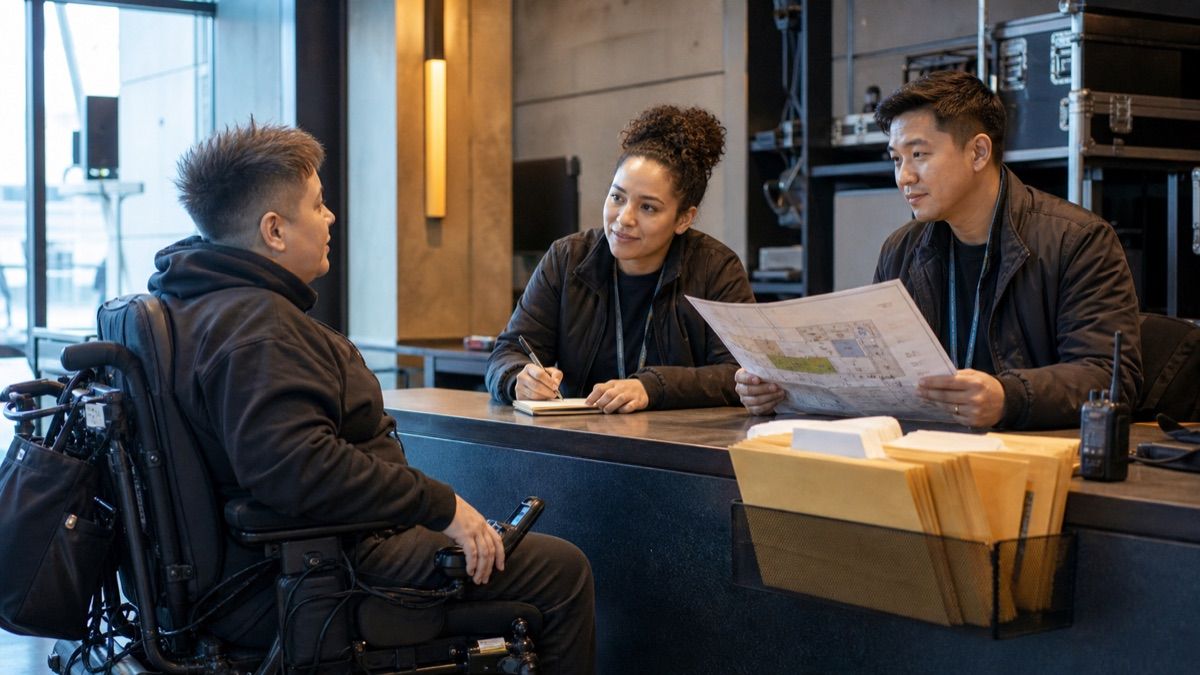
Provide a clear contact method, response expectation, opening hours and an alternative channel. Ask only for information necessary to understand and fulfil the request. Explain what happens next and who receives the information, following applicable privacy requirements.
Do not make every disabled fan request basic information individually. Publish the stable facts, then use direct contact for individual requirements and exceptions. If a deadline exists for arranging a particular service, explain why, what may still be possible later and how to ask.
Publish in accessible, reusable formats
Use structured HTML as the primary format where possible, with descriptive headings, meaningful links, alt text, keyboard access, sufficient contrast and content that works when zoomed. If downloadable maps or PDFs are provided, offer accessible equivalents and keep version dates visible.
Write plain, literal descriptions. Avoid relying only on colour-coded maps, icons or marketing language. Videos should include appropriate captions; important visual route information needs a text alternative. Translate essential access information for the event's audience where practical.
Test with assistive technology and disabled users, but do not reduce testing to a technical checklist. Ask whether a person can find the page, understand the options and complete the journey it describes.
Control temporary changes as public information
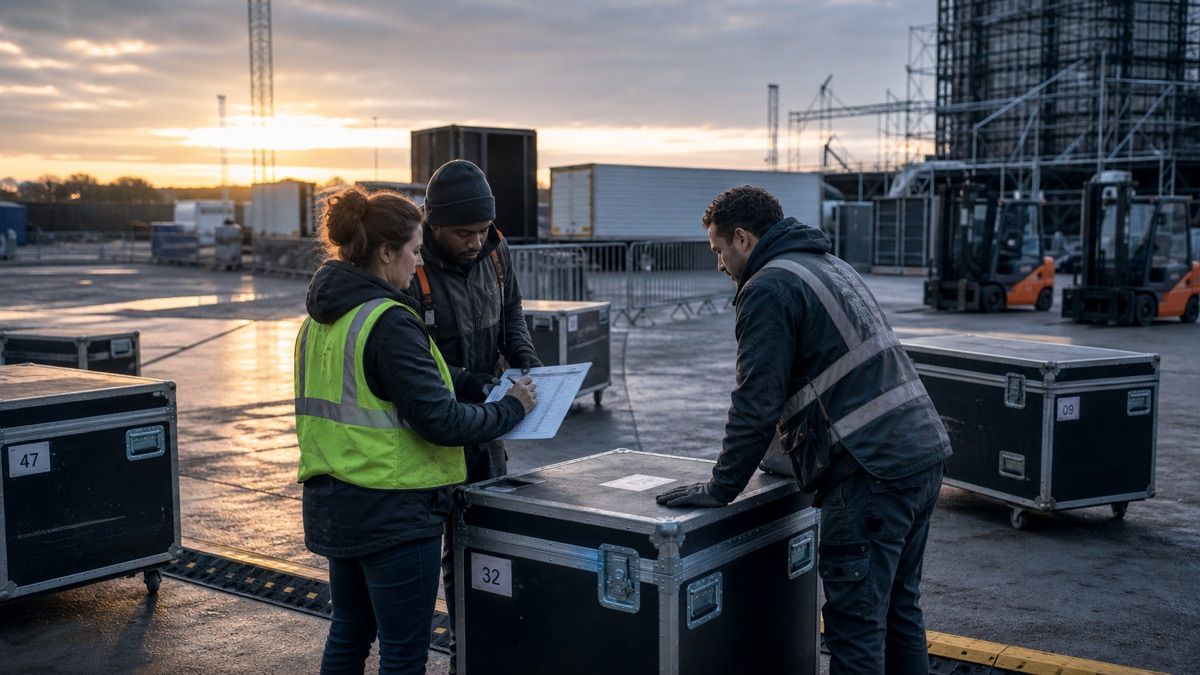
Outdoor events and temporary overlays move entrances, ramps, platforms, toilets and welfare points. Define who can approve a change, who updates the canonical page, which ticket-holder groups require direct notice and how onsite staff receive the same information.
Keep one dated canonical source and point social, email and ticketing messages back to it. For a late change, state what changed, who is affected, the alternative and where to get help. Do not silently edit away the previous promise when fans may already be travelling on it.
Verify the path before opening and during operation
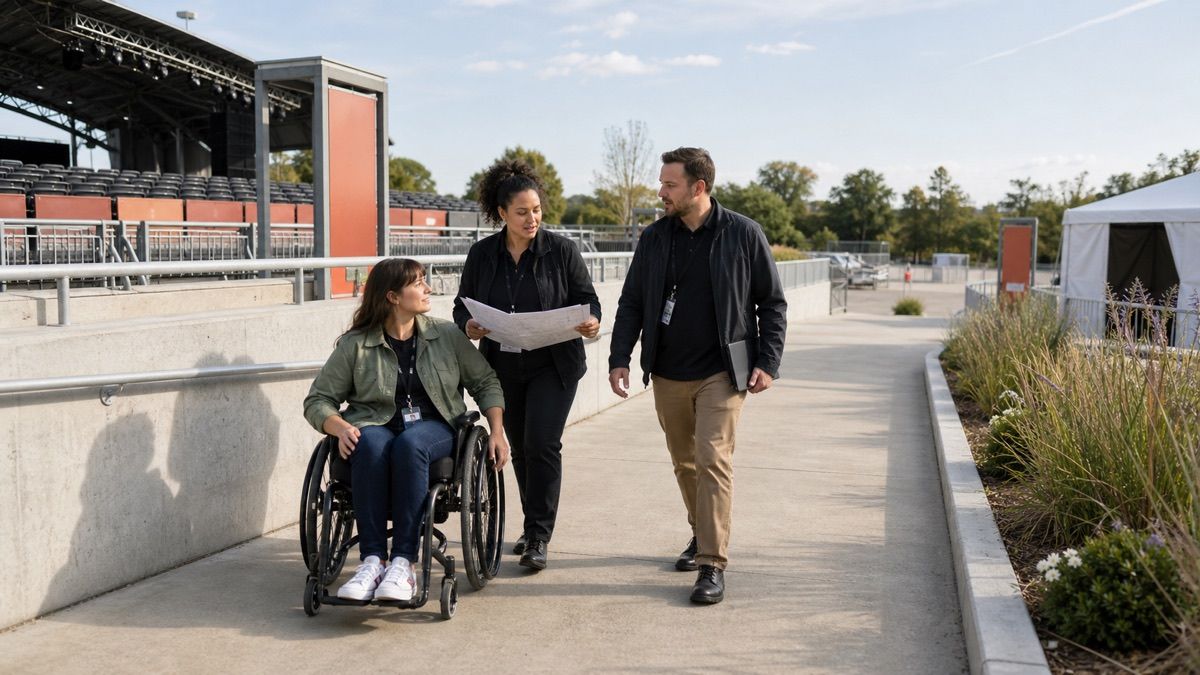
Walk the journey from transport boundary to seat or viewing area, facilities and departure. Use the page itself as the checklist. Confirm gates, surfaces, signs, lighting, lifts, toilets, viewing areas, service desks and staff answers.
Repeat checks after weather, crowd-control or production changes. Record exceptions and the public correction. Track recurring questions, failed requests, route diversions and mismatches between published and live information; those are content and operations signals, not merely customer-service volume.
A practical publication review
Before releasing the page, ask:
- Can a fan understand the complete journey before buying or travelling?
- Does every promise have a current operational owner?
- Are distances, surfaces, timing and service limits specific enough to support a decision?
- Can people access the information in multiple useful formats and channels?
- Is there a controlled method for temporary changes?
- Has the live route been checked against the page?
If one answer is uncertain, qualify the information and assign the unresolved action rather than publishing false confidence.
Sources
- W3C WAI: Making Events Accessible
- GOV.UK: Using communication channels to reach disabled people
- W3C WAI: Planning and Managing Web Accessibility
Make pre-arrival information match the journey fans actually encounter.
Talk to WENOTIFT about access-content ownership, fan journeys and live-event verification.