WENOTIFT Insights
Intelligence on K-Pop, C-Pop, J-Pop, Chinese drama and Thai entertainment brand partnerships across ASEAN, APAC and GCC.
What Is Patron? The Brand Side of a Signed Partnership
How Patron helps brands run the commitments, approvals, documents and evidence that make an entertainment partnership deliverable.

What Is Vella? The Sponsor Exchange Built Around a Human Desk
How Vella connects open entertainment inventory with brands through reviewed listings, qualified interest and a desk-led commercial record.

What Is Scena? The Partner Side of a Partnership Record
How Scena gives promoters, labels, agencies, venues and media teams one accountable place to open, follow and deliver a partnership.
How Scena, Vella and Patron Turn Partnership Chaos Into One Clear Record
A practical guide to the three WENOTIFT workspaces that take an entertainment partnership from open inventory to confirmed delivery.
Event Command Handover: From Promoter Control to Public Authorities
A practical briefing, command and continuity framework for handing an escalating event incident from promoter control to responding public authorities.

Entertainment Partnership Asset Library Governance: Control Use Before Rights Expire
A practical governance system for keeping approved entertainment partnership assets, rights, versions, markets and channels aligned before expiry.
Event Evacuation Decision Authority: Who Calls Partial, Phased or Full Evacuation?
A practical command framework for deciding, communicating and verifying partial, phased and full event evacuation without turning a safety plan into a telephone chain.

Entertainment Partnership Rights Expiry: Close Campaigns Without Residual Use
Build a rights-expiry closeout that removes expired campaign uses, preserves necessary evidence and proves every partner handoff.
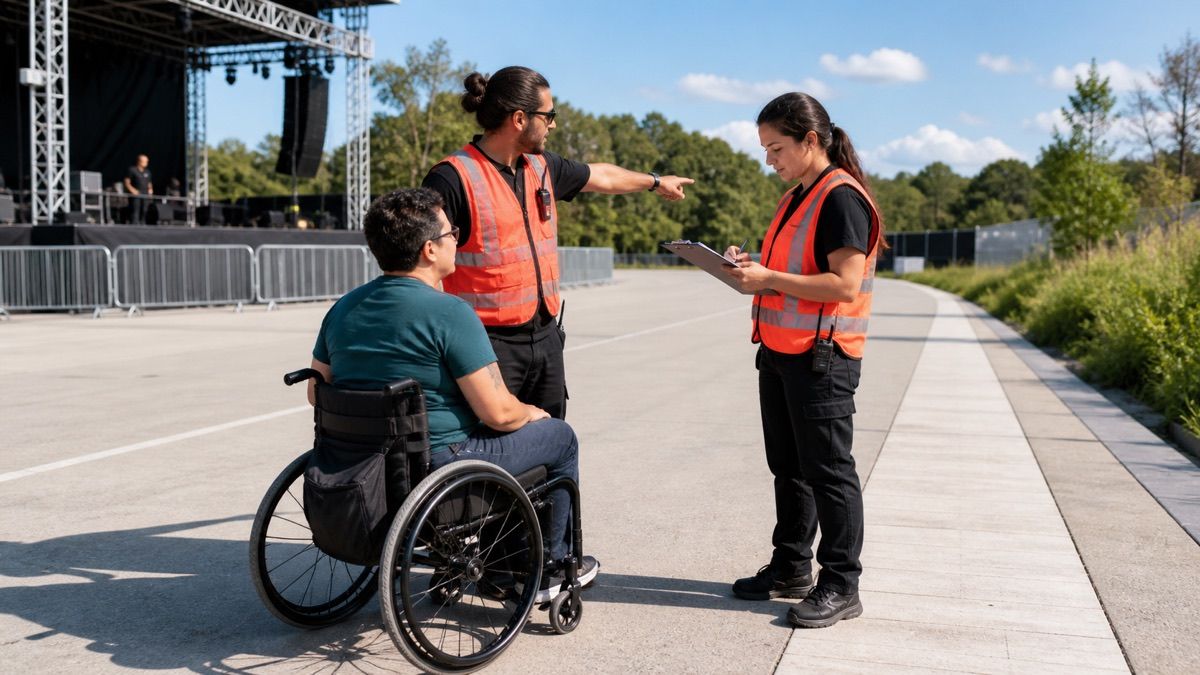
Accessible Event Evacuation Plans: Build Reliable Assistance Handoffs
Design accessible event evacuation plans that connect guest choice, trained assistance, routes, communications and accountable handoffs.
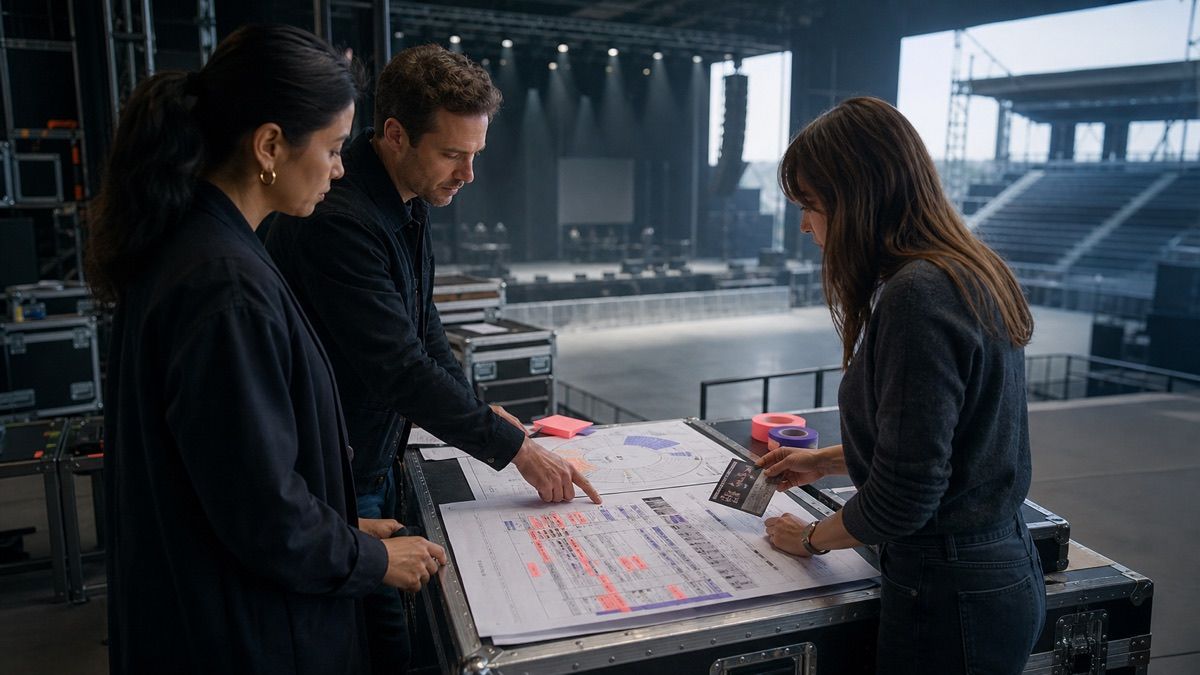
Entertainment Partnership Change Control After Preferred-Bidder Selection
Control rights, scope, cost and approval changes between preferred-bidder selection and signature without obscuring the evaluated deal.

Sponsor Hospitality Service Recovery: Restore the Guest Experience
Build a live-event hospitality recovery workflow that restores guest participation, preserves accessibility and turns service failures into verified action.
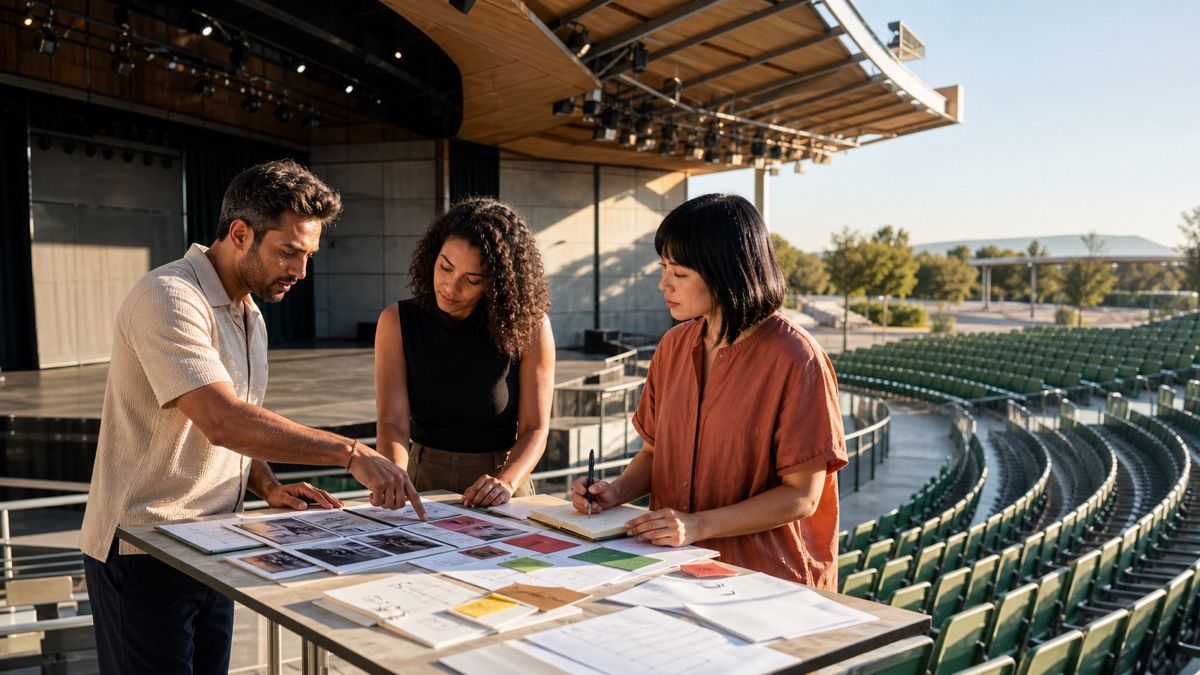
Entertainment Partnership Bidder Debriefs: Useful Feedback Without Decision Drift
Give agencies, promoters and rights-holders evidence-based RFP feedback while protecting confidential information, evaluator integrity and the final decision.

Accessible Event Complaints: Resolution, Remedy and Learning
Turn accessibility complaints into owned investigations, practical remedies, verified closure and service improvements without making fans repeat their experience.
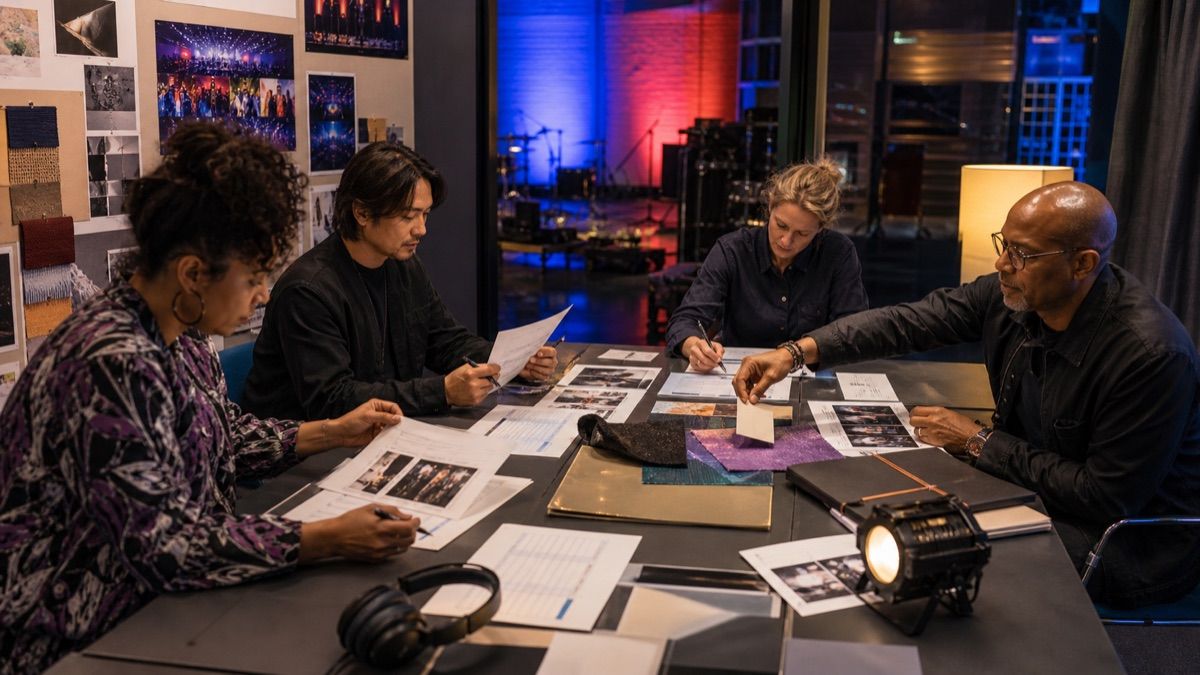
Entertainment Partnership RFP Scoring: Evidence, Weighting and Conflicts
Build a defensible entertainment partnership RFP scorecard with clear evidence, fixed weightings, independent evaluation and transparent conflict controls.
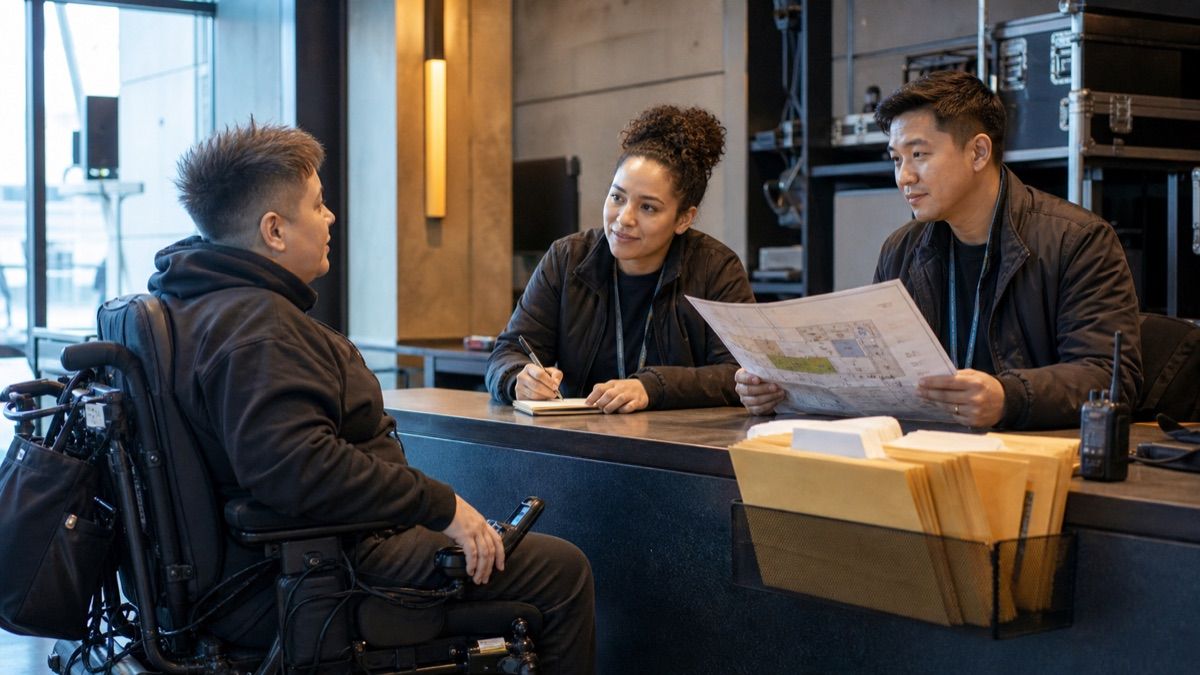
Event Accessibility Requests: A Triage and Fulfilment Workflow
Turn event accessibility requests into owned, confirmed and verified actions without asking fans to repeat sensitive information at every handoff.

Event Supplier Sustainability Evidence: A Claims-Ready Procurement Pack
Connect event supplier sustainability evidence to exact environmental claims through defined boundaries, methods, qualifications, approvals and refresh controls.
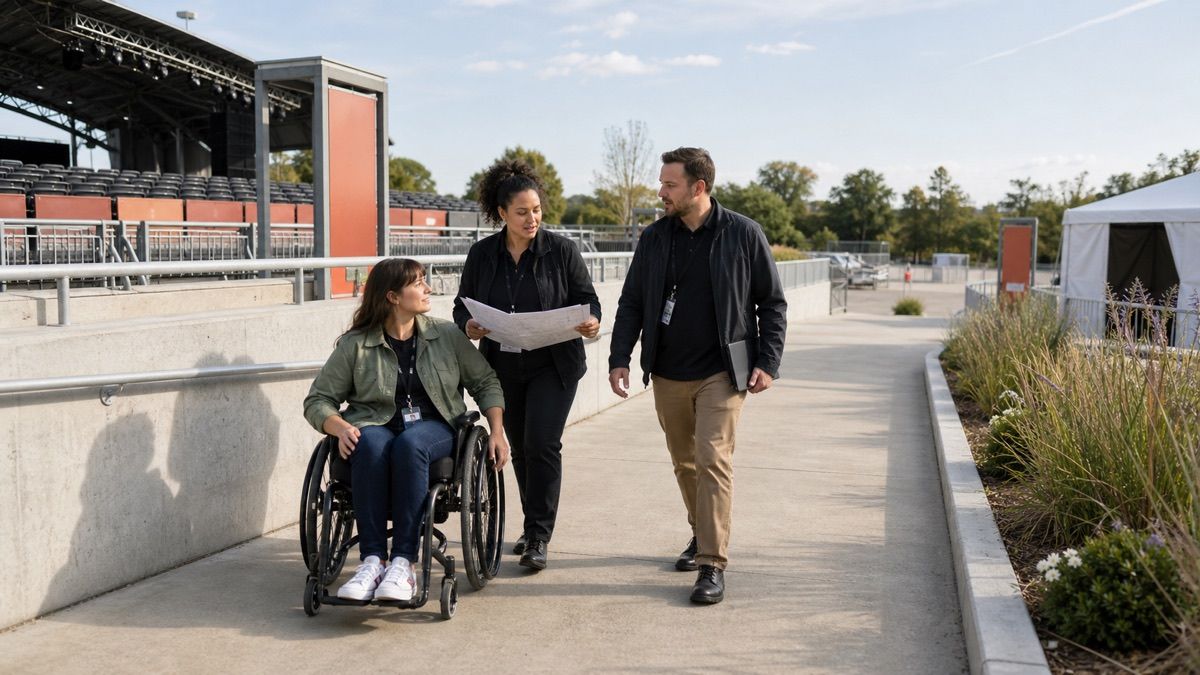
Venue Accessibility Information: What Fans Need Before an Event
Build venue accessibility information around the full fan journey, with operational owners, precise route details, accessible formats and live change control.

Influencer Ad Disclosure: A Brand-to-Creator Publishing Workflow
Build influencer ad disclosure into entertainment campaigns from material-connection mapping and creator briefs to live-post checks and evidence.
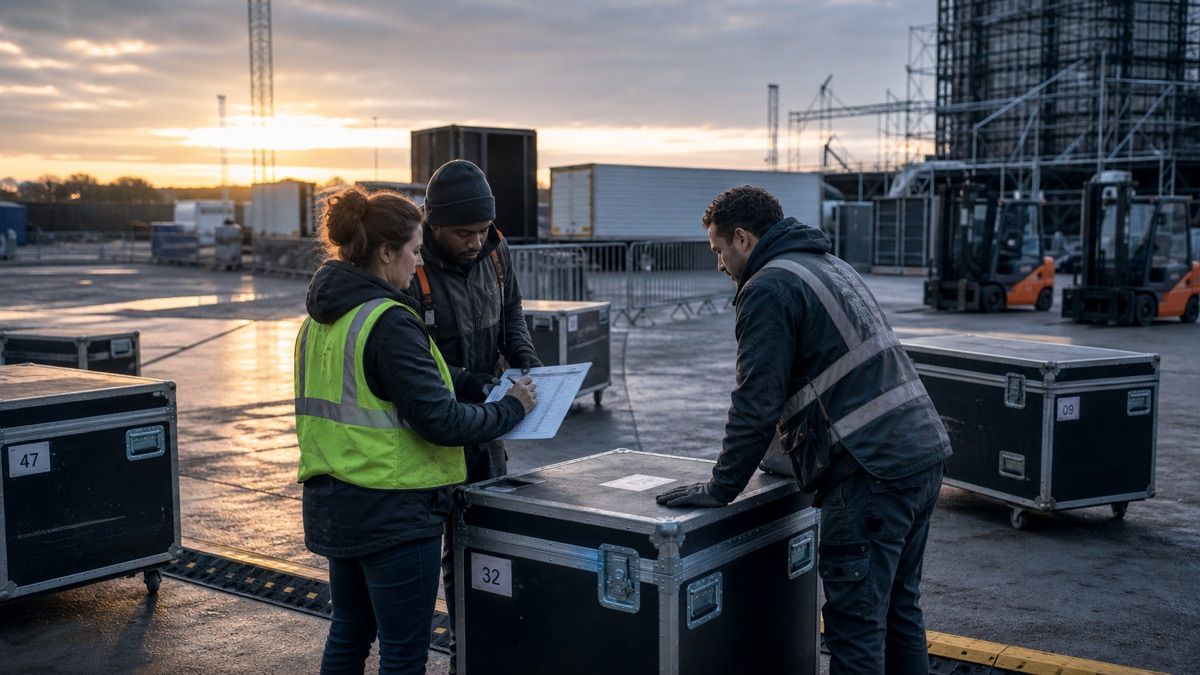
Event Contractor Demobilisation: A Safe Load-Out and Equipment-Release Plan
Control event load-out through phased zone releases, contractor coordination, equipment custody, vehicle separation and verified venue handback.
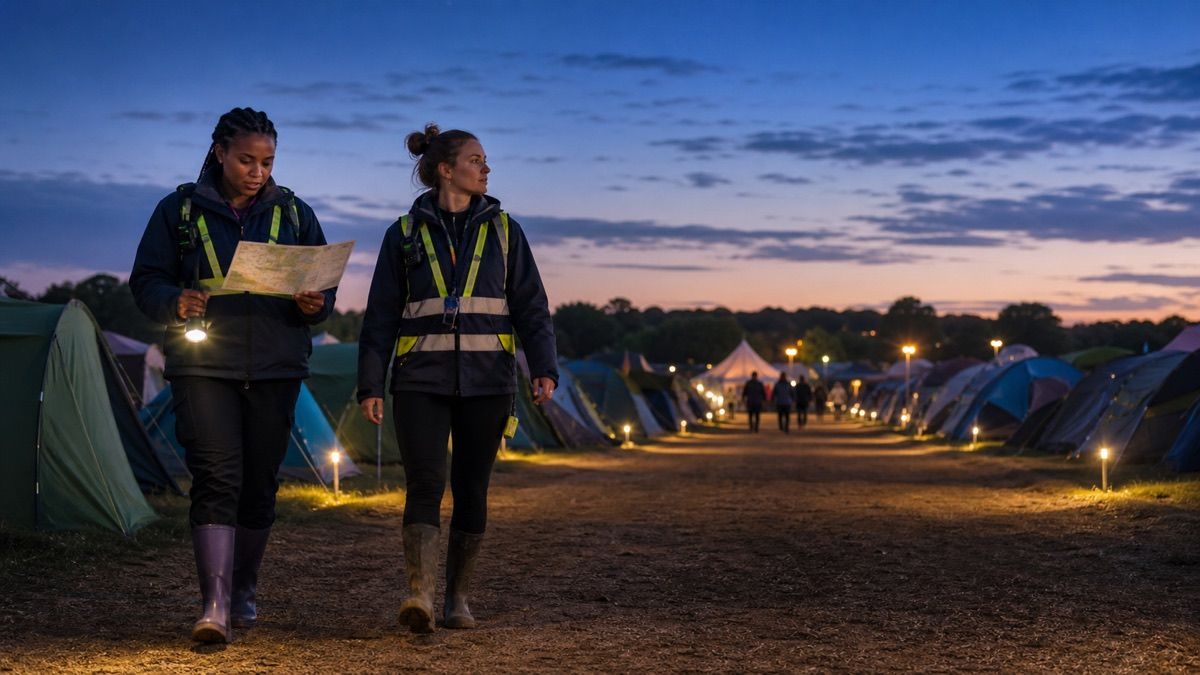
Festival Campsite Wayfinding: A Night Patrol and Welfare Handoff
Connect festival campsite lighting, night-time routes, steward patrols, welfare escalation and shift handoffs through one dusk-to-dawn operating loop.
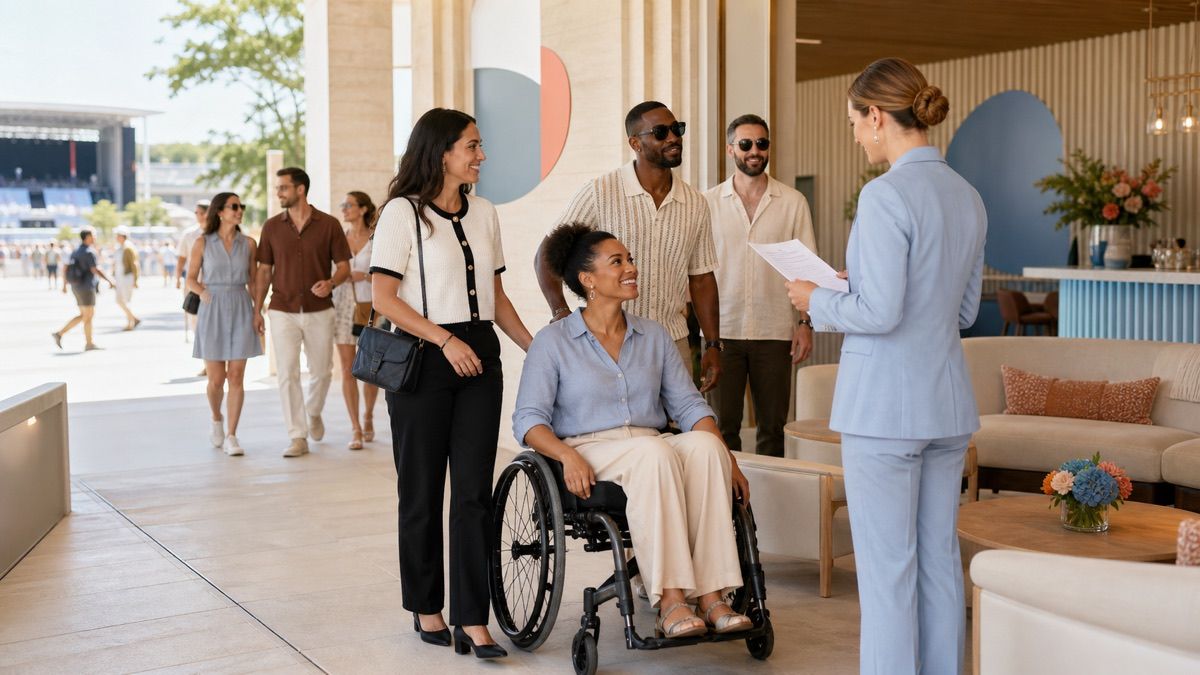
Sponsor Hospitality Accessibility: A Companion-Ticket and Guest-Journey Plan
Plan accessible sponsor hospitality across invitations, companion tickets, arrival, lounges, seating, service recovery and post-event evidence.
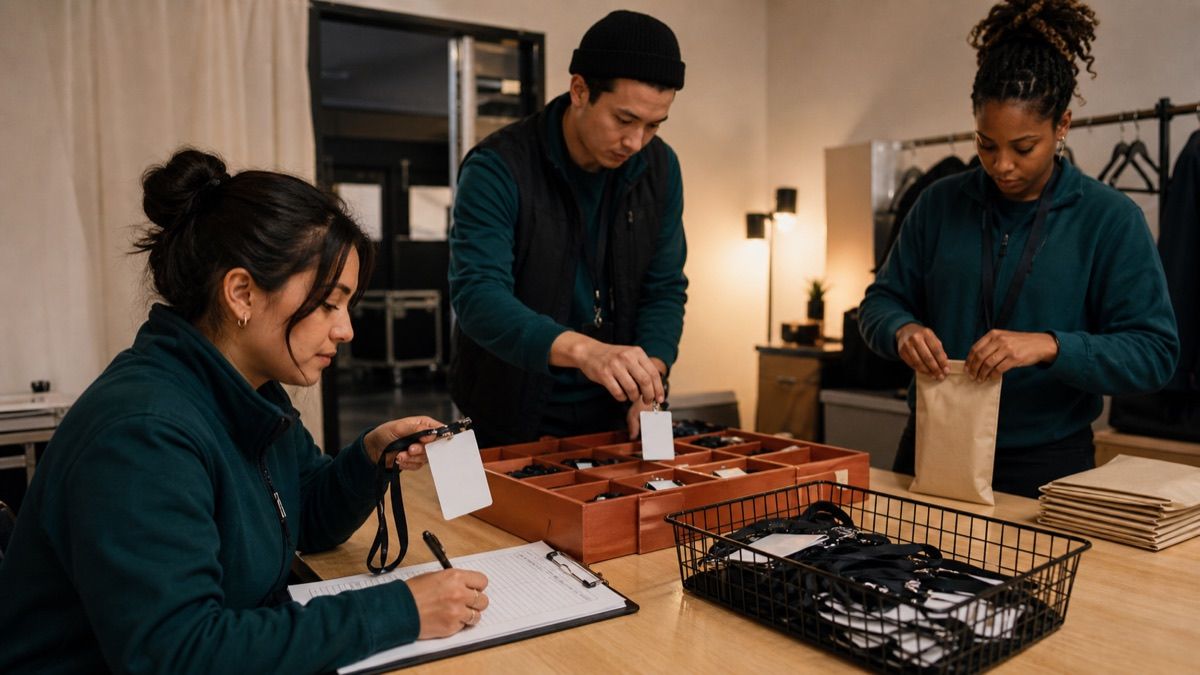
Event Staff Check-In: A Credential-Issue and Return Workflow
Control event staff credentials from approved roster and check-in through zone changes, replacements, return, disablement and post-event reconciliation.

Festival Ground Conditions: An Accessible-Route Recovery Plan
Monitor festival ground conditions, protect accessible routes and make evidence-led intervention, closure and reopening decisions as weather and traffic change.

Sponsorship Valuation Evidence: Build a Defensible Rights Model
Build a sponsorship valuation range from defined rights, comparable inventory, audience context, delivery probability and transparent assumptions.
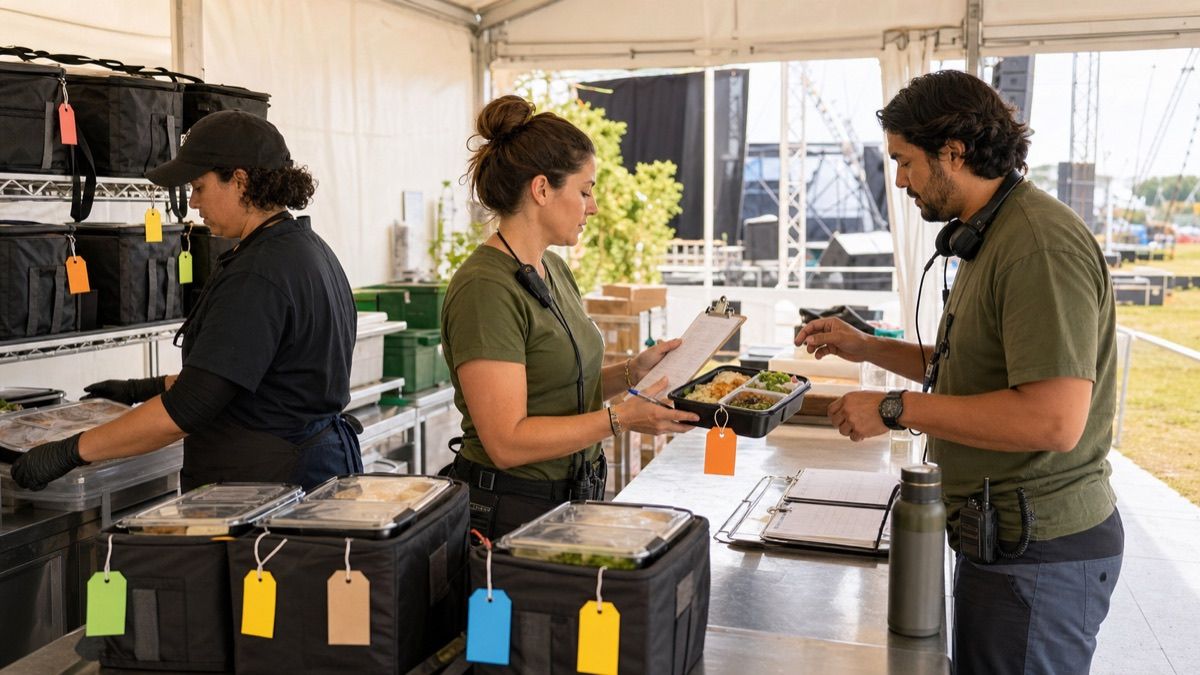
Event Staff Meals: A Dietary-Information and Service Handoff Plan
Build an event staff meal plan that connects dietary requests, accurate menu information, service windows, late crews, exceptions and reconciliation.

Sponsorship Benefit Fulfilment: A Make-Good Framework
Turn sponsorship rights into verifiable deliverables, detect shortfalls early and choose proportionate make-goods without inventing equivalent value.

Event Radio Communications: A Channel-Control Plan
Build an event radio plan that connects roles, channels, call signs, message discipline, interoperability, failure modes and decision logs.
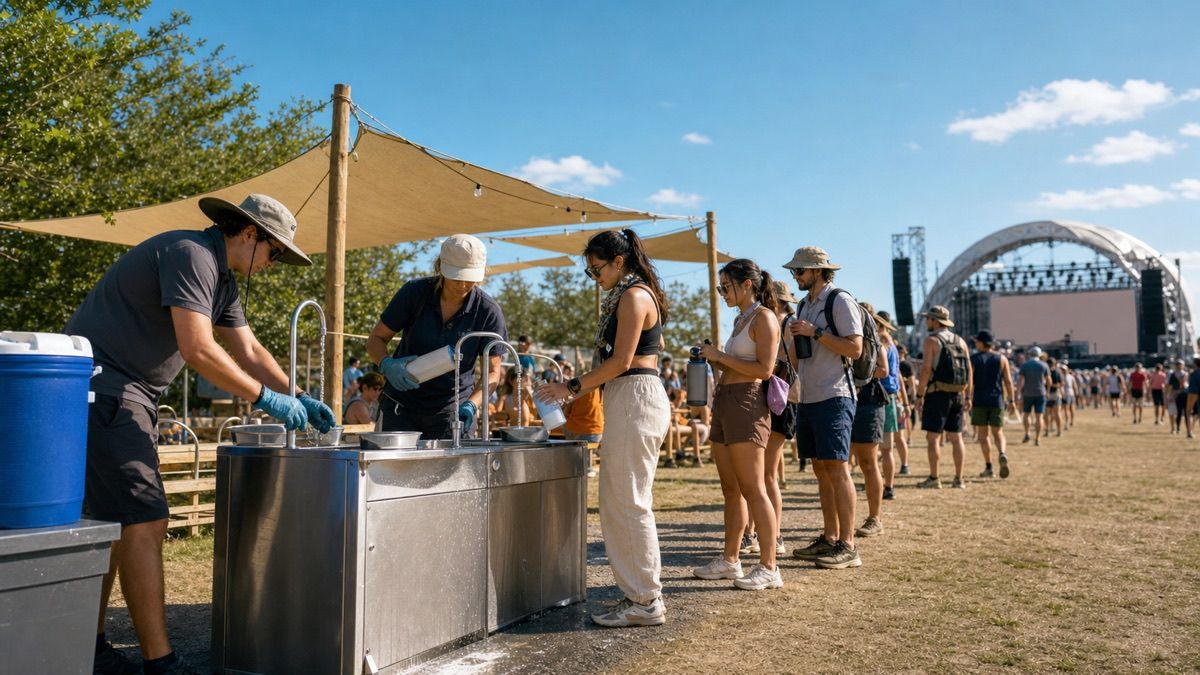
Festival Drinking Water: An Access and Heat-Response Plan
Plan festival drinking-water access as a live service with mapped demand, accessible stations, quality controls, monitoring, outage handoffs and heat-response escalation.
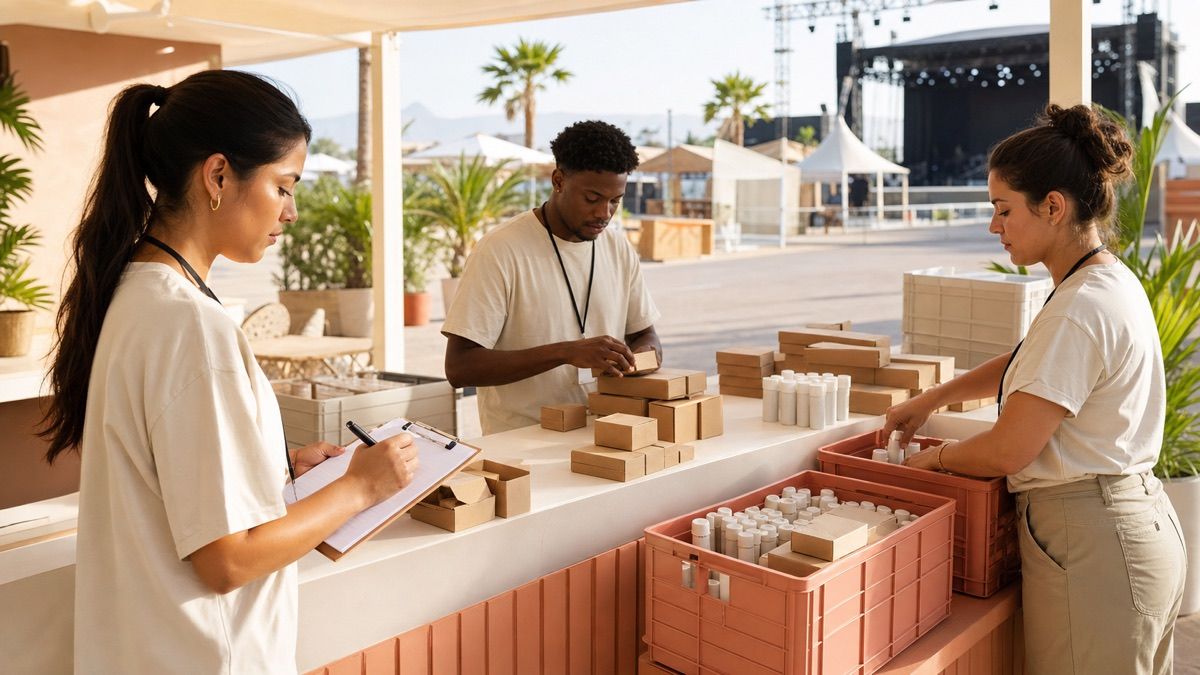
Sponsor Product Sampling: An Inventory-Control Workflow for Events
Control sponsor samples from approved stock and venue intake through distribution, exceptions, reconciliation and evidence without losing sight of the fan experience.

Artist Content Rights Expiry: A Campaign Takedown Workflow
Control artist campaign rights expiry across assets, channels, paid media, retailers, archives and partners with an accountable takedown workflow.
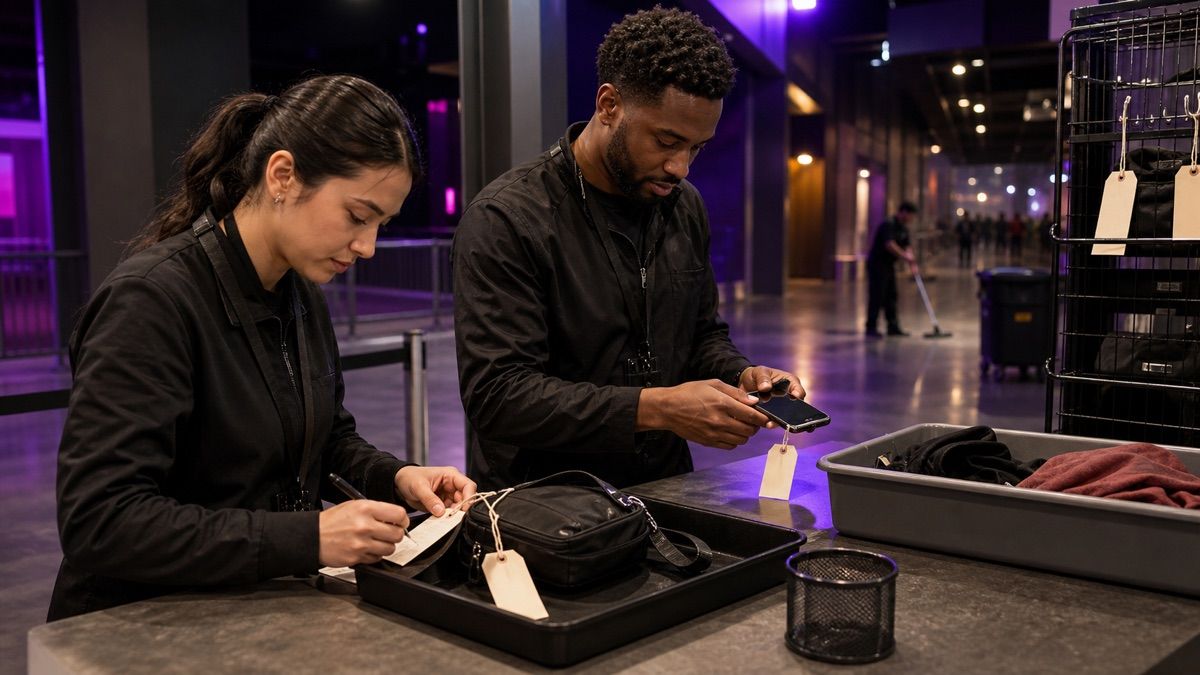
Event Lost Property: A Chain-of-Custody Plan for Venues
Build an event lost-property process that records finds, protects sensitive items, verifies owners, controls handoffs and closes every return or disposal.

Entertainment Partnership Claims: Approval and Incident Notification
Control entertainment partnership claims from evidence and approval through creator publication, monitoring, correction and incident notification.
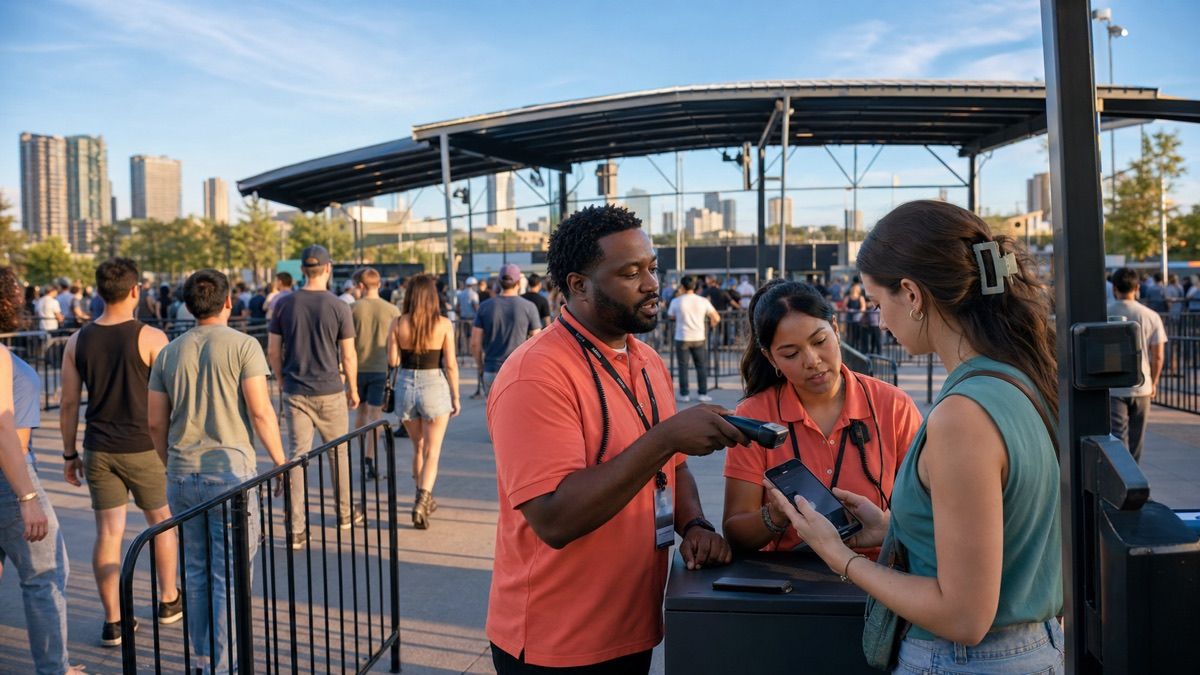
Venue Entry Fraud Prevention: Tickets, Credentials and Gate Handoffs
Prevent venue entry fraud by connecting ticket validation, credentials, exceptions, re-entry, staff escalation and incident evidence across every gate.
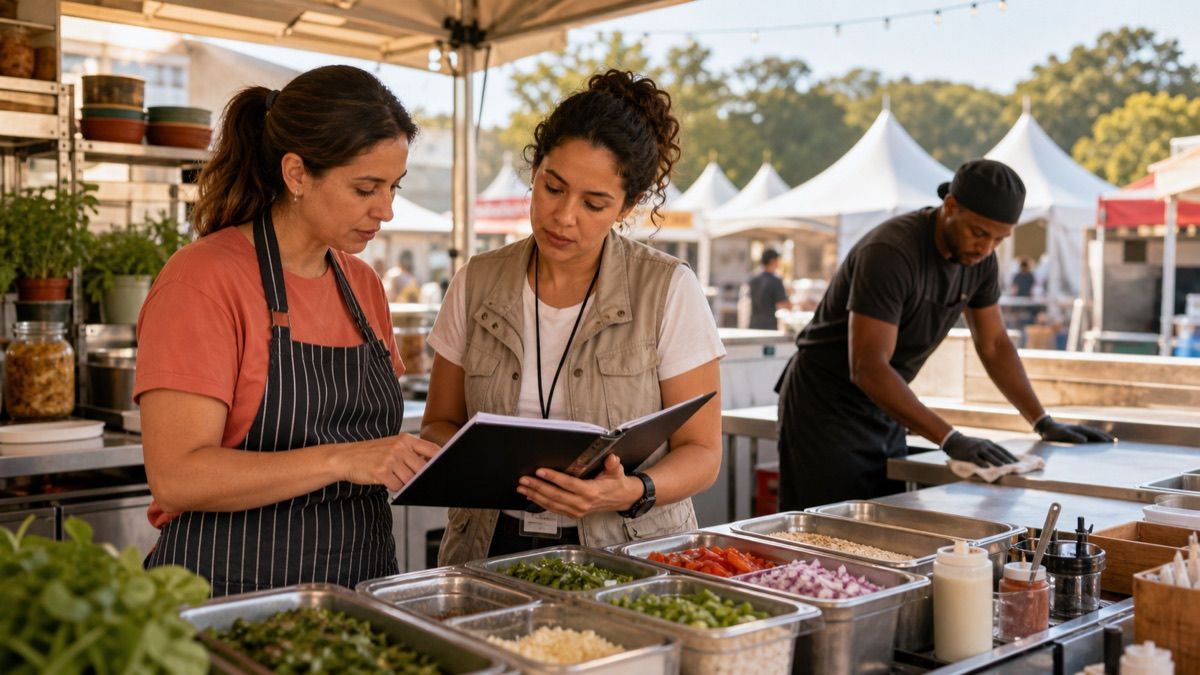
Festival Food Allergen Plan: A Vendor Communication Workflow
Build a festival food allergen plan that keeps ingredient records, menu information, substitutions, cross-contact controls and incident handoffs aligned.
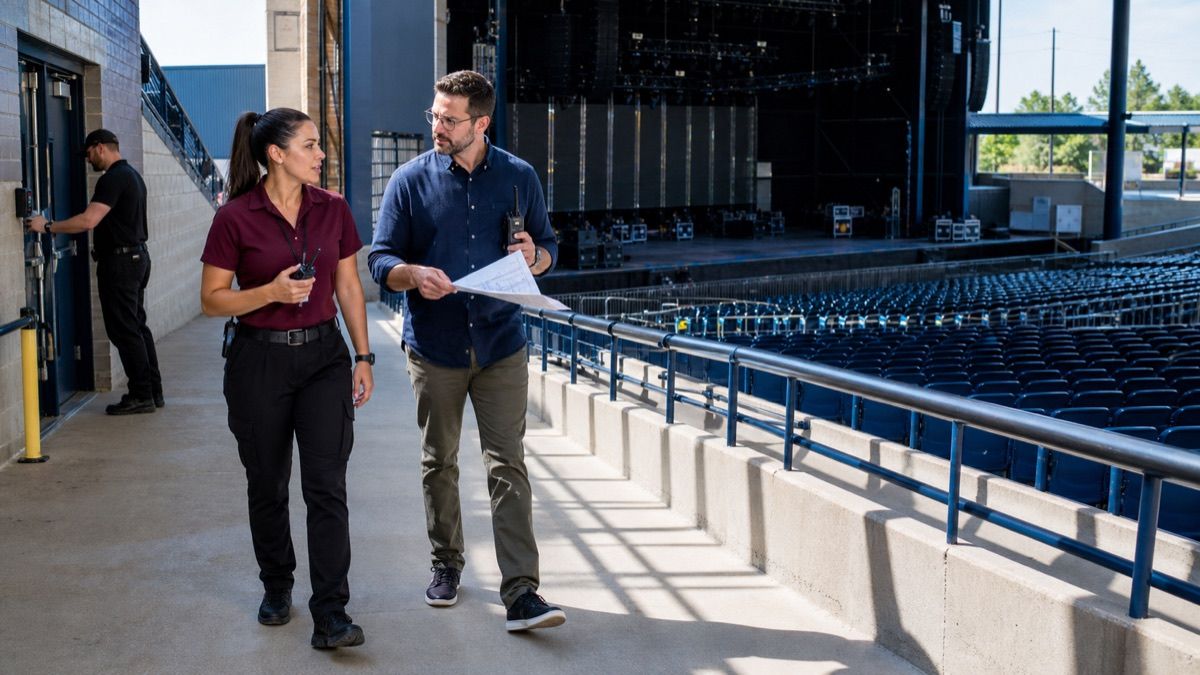
Artist Security Advance: Build a Safer Venue Handoff
Build an artist security advance that connects risk, routes, credentials, crowd interfaces, incident authority and live venue handoffs.
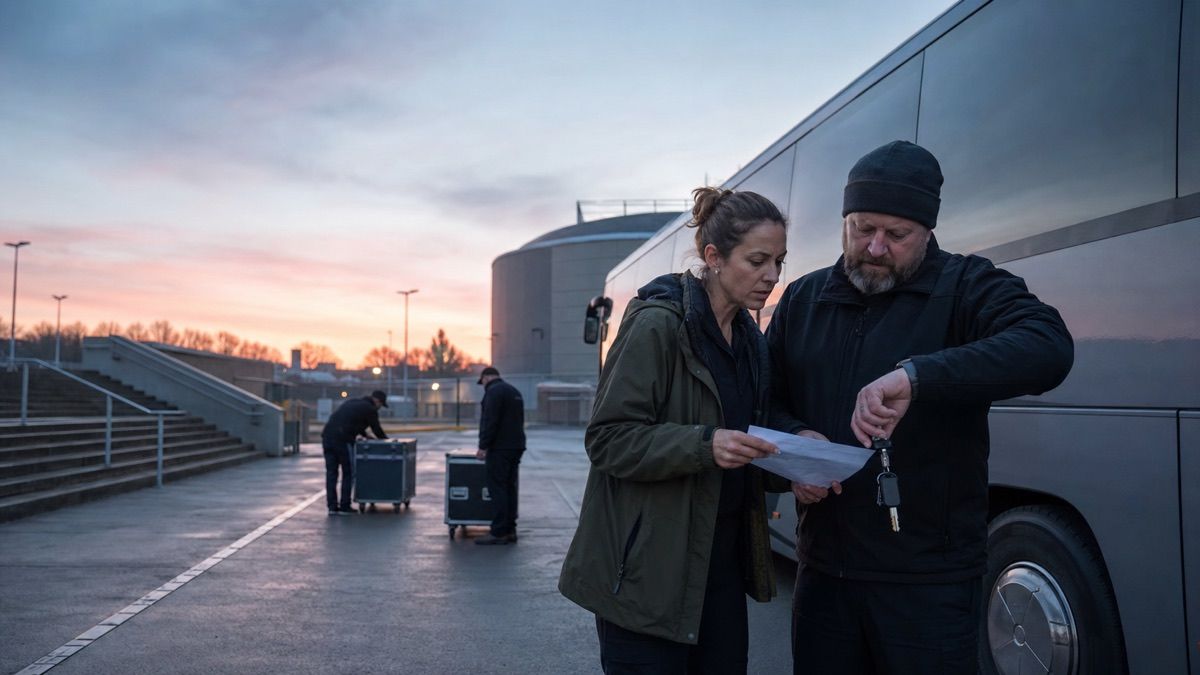
Touring Crew Fatigue Plan: Build a Safer Transport Schedule
A touring crew fatigue plan connects work calls, sleep opportunity, driver rules, transport decisions and stop-work authority across every show-day handoff.

Event Volunteer Safeguarding Plan: Roles, Boundaries and Escalation
Build an event volunteer safeguarding plan that connects role design, screening, briefing, supervision, reporting and post-event follow-up.

Certificate of Insurance Review for Entertainment Partnerships
A certificate of insurance is evidence, not the policy. Use this entertainment partnership review workflow to connect contract requirements, certificates and endorsements.

Festival Temporary Power Plan: An Electrical Handoff Guide
A festival temporary power plan should connect demand, distribution, competent sign-off, live monitoring and emergency decisions. Use this practical handoff guide.
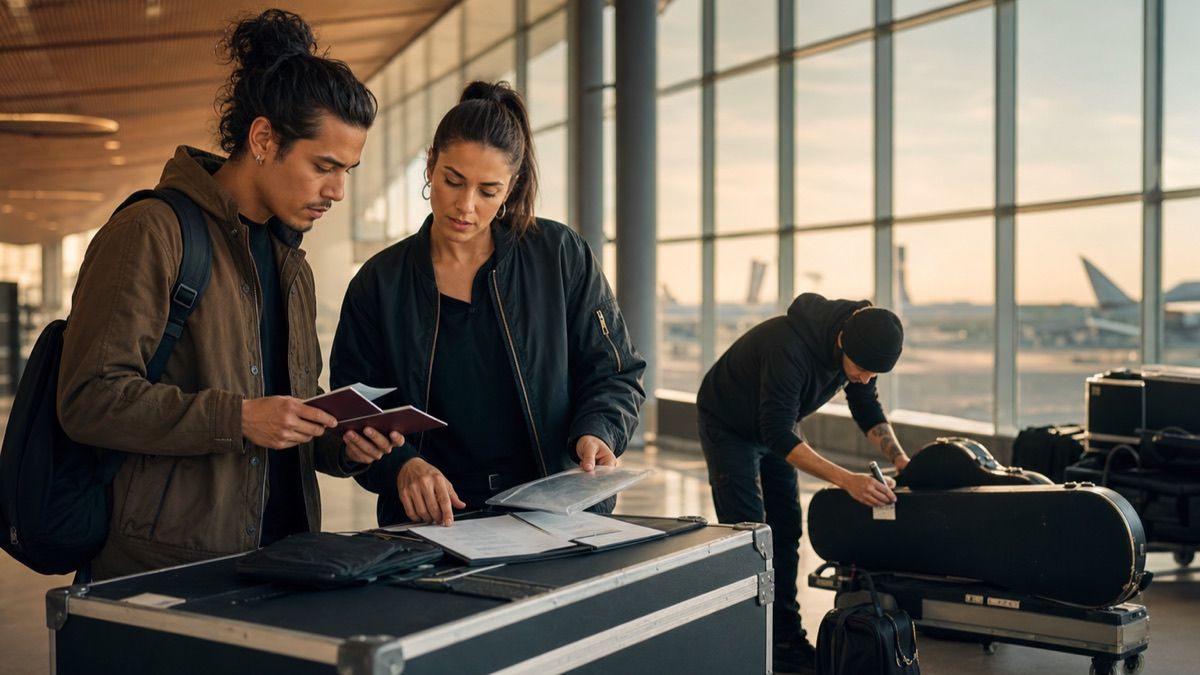
Artist Immigration Documents: An International Tour Readiness Workflow
Artist immigration documents must match the person, work, sponsor and itinerary. Use this international-tour readiness workflow before anyone travels.
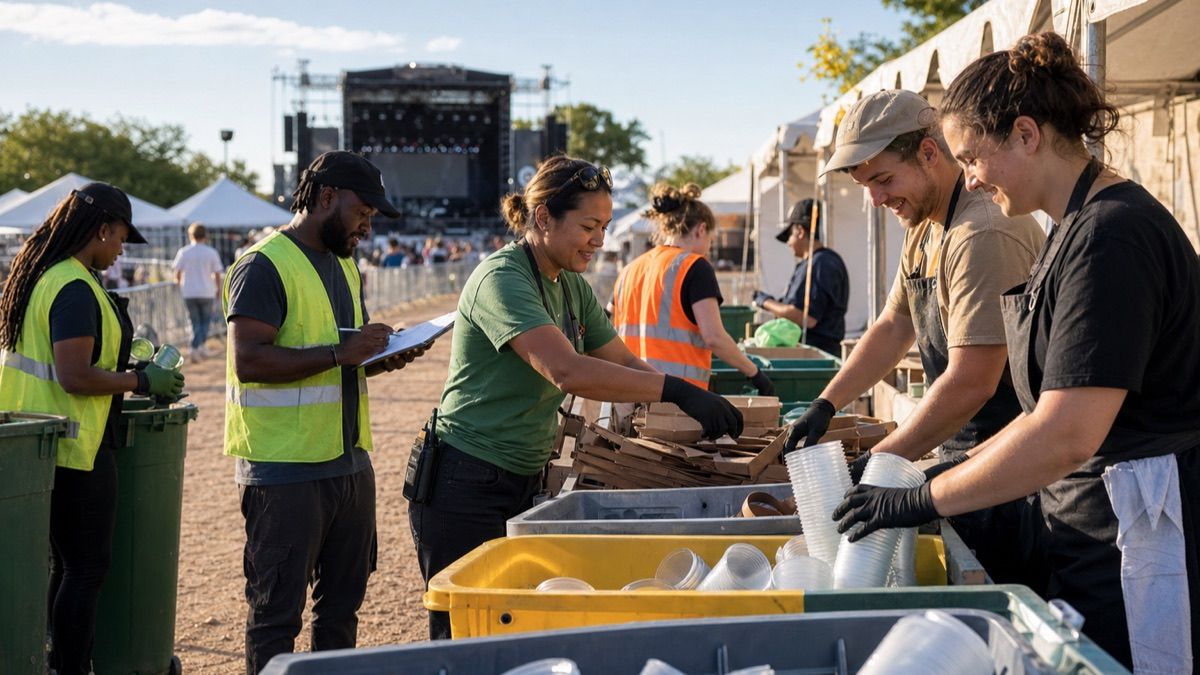
Festival Waste Management Plan: A Vendor Handoff Playbook
A festival waste management plan should connect procurement, vendor rules, collection, worker safety and verified destinations. Use this practical handoff playbook.
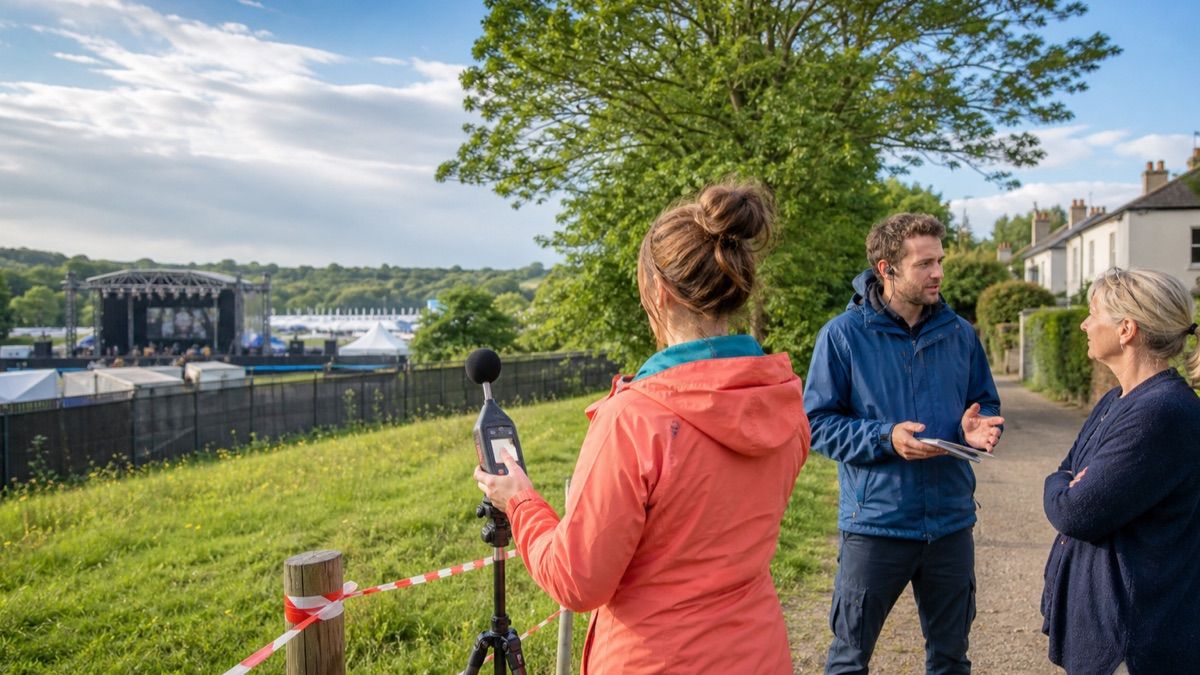
Festival Noise Management Plan: Sound, Monitoring and Community Response
A festival noise management plan connects licence conditions, sound design, monitoring, community communication and real-time response. Build the operating loop before soundcheck.

Artist Settlement Sheet: A Promoter’s Post-Show Payment Workflow
An artist settlement sheet should reconcile the signed deal, verified sales, approved costs, taxes and payment evidence. Use this promoter workflow before funds move.

Sponsor Hospitality Planning: A Guest Data Handoff Checklist
Sponsor hospitality planning connects the promised experience, minimum guest data, credential, service need and accountable host across every event handoff.
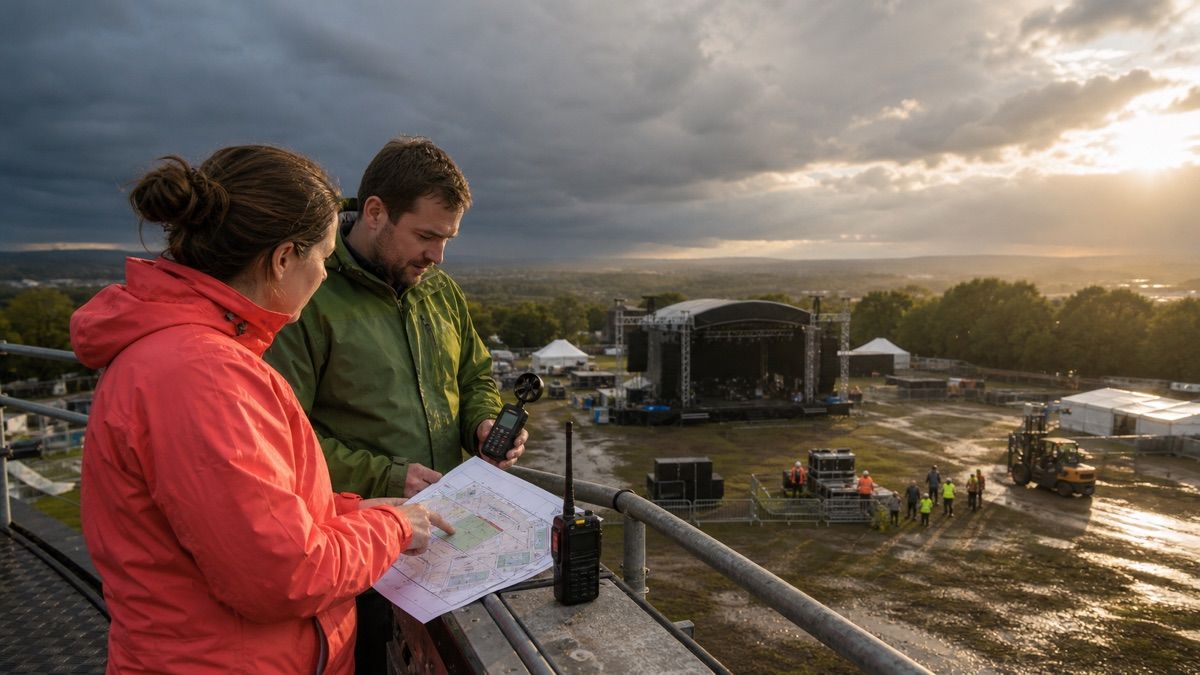
Event Weather Insurance: A Decision Guide for Concerts and Festivals
Event weather insurance can transfer defined financial losses, but only when the exposure, trigger, mitigation plan and evidence match the policy wording.
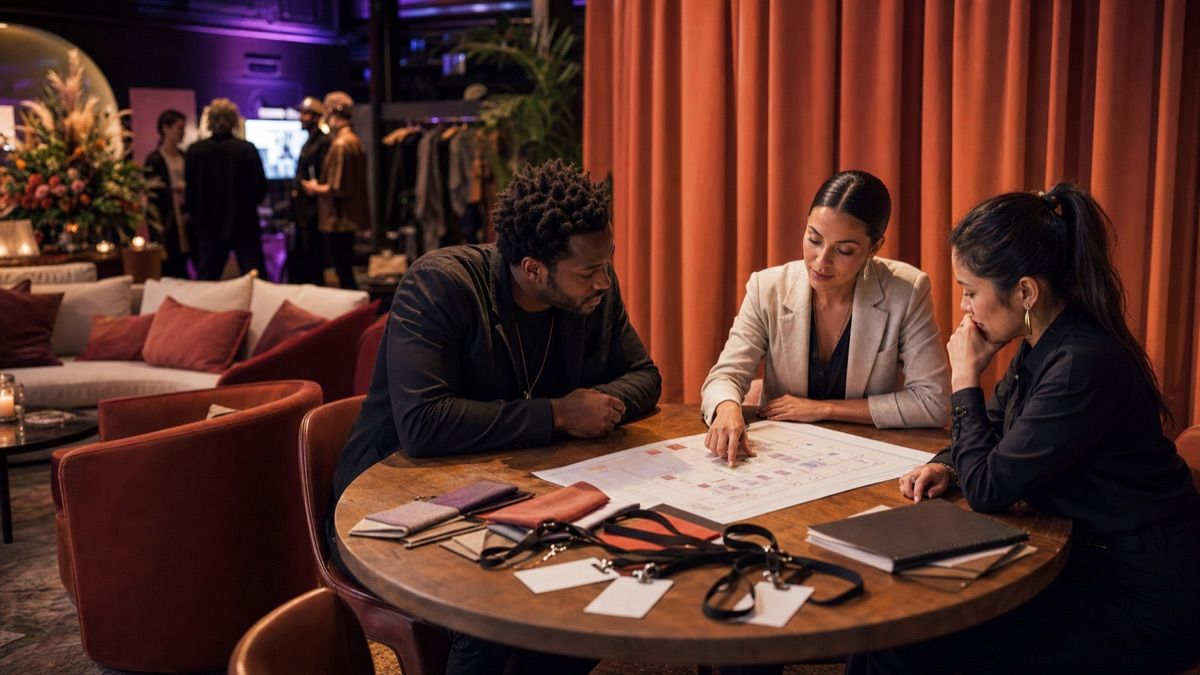
Entertainment Sponsorship Valuation: Price the Rights, Fund the Activation
Entertainment sponsorship valuation starts with usable rights, then budgets the activation and evidence needed to make those rights commercially useful.
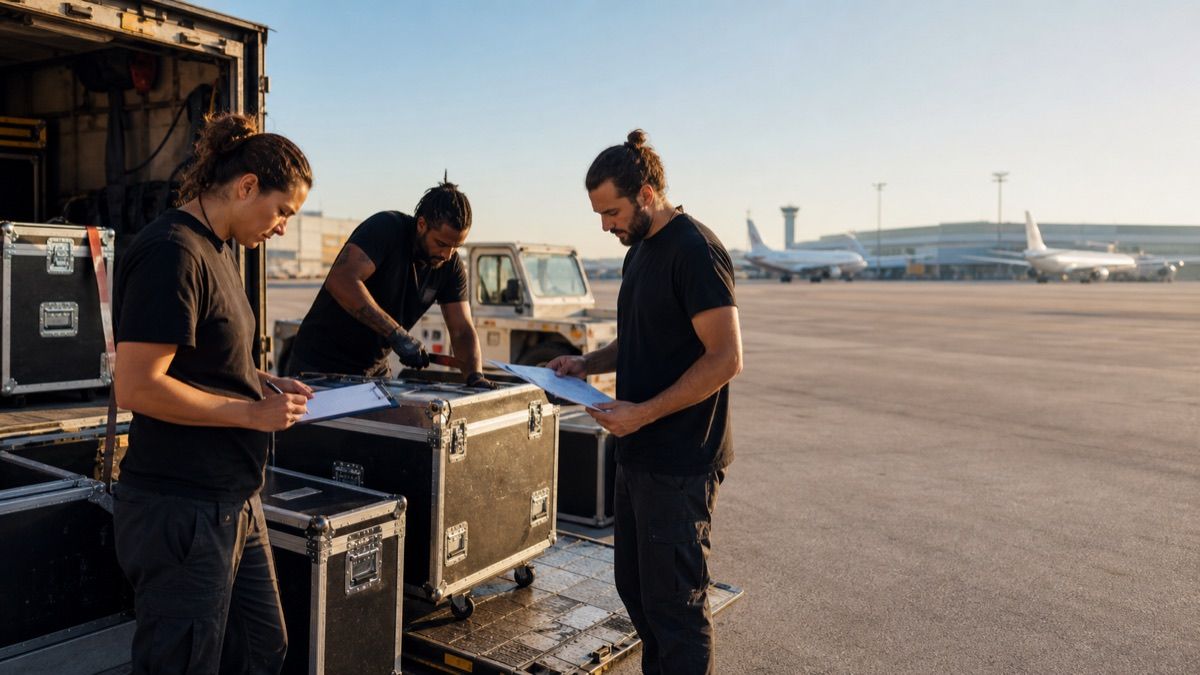
International Tour Logistics: A Customs and Carnet Checklist
International tour logistics need one accountable record for route, equipment, customs method and return. Use this checklist before cases leave the warehouse.
Fan Data Consent: A Cross-Border Event Marketing Guide
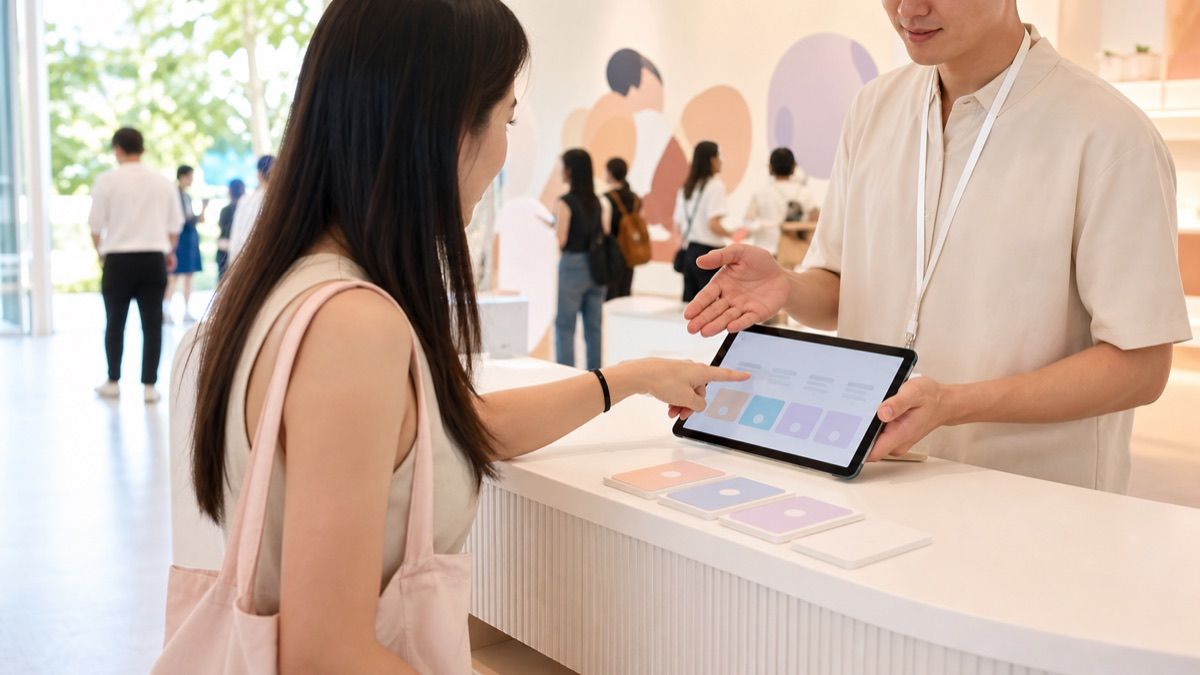
Fan data consent must stay connected to purpose, channel, partners, transfers and withdrawal. Use this guide to govern cross-border event marketing.
Concert Cancellation Communications: A Fan-First Response Plan
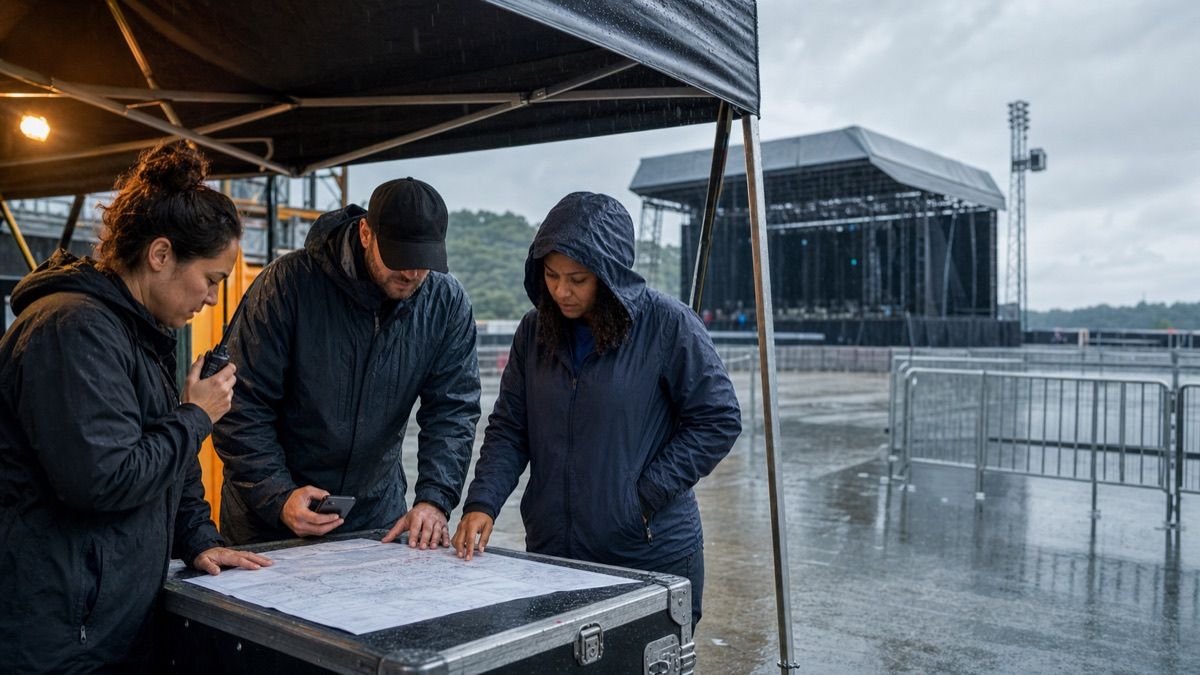
Concert cancellation communications must align the event decision, ticket remedy, channel sequence and fan support. Use this response plan for cancellations and postponements.

Entertainment Campaign Content Approval: A Brand-to-Artist Workflow
A campaign content approval workflow connects claims, creative, artist rights, disclosures, localisation and paid usage. Use this brand-to-artist operating guide.
Ticket Resale Fraud: A Promoter's Fan Protection Playbook
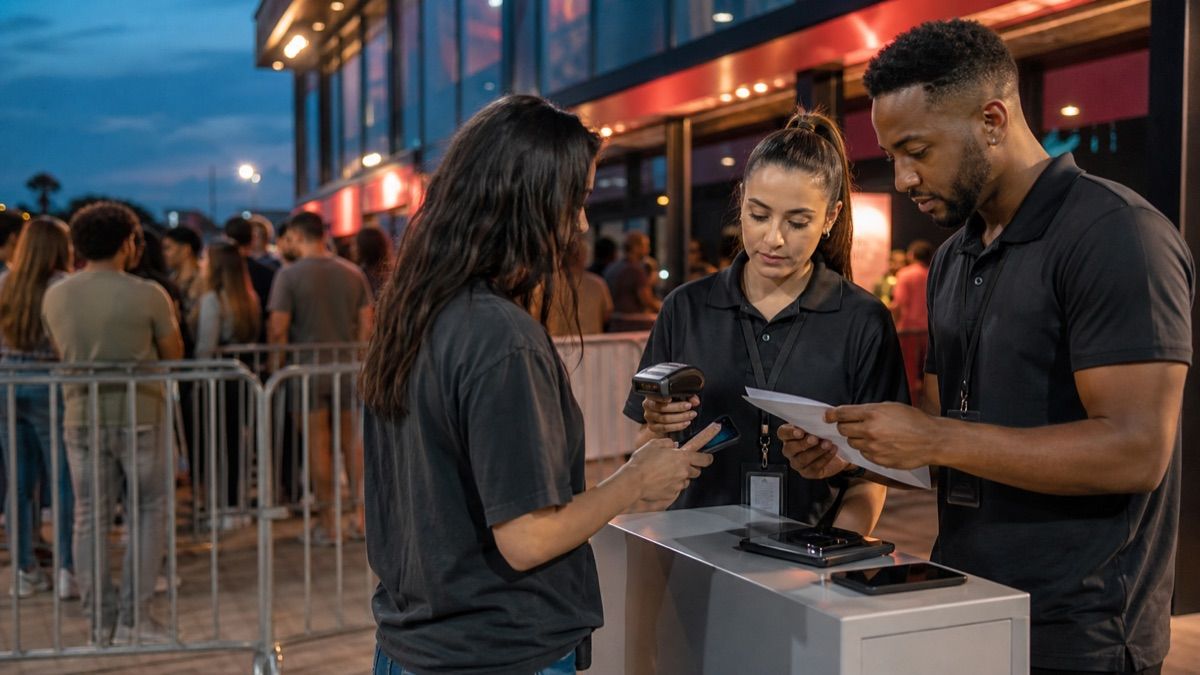
Concert ticket resale fraud prevention connects on-sale rules, authorised transfer, ticket verification, fan communication and event-day support. Use this promoter playbook.

Brand Partnership Exclusivity: How to Define Categories, Conflicts and Rights
Brand partnership exclusivity works only when category, activity, territory, channel, audience, time and carve-outs are explicit. A practical conflict-mapping framework for brands, artist teams and rights holders.
Festival Heat Safety: A Planning Playbook for Concerts and Mass Gatherings
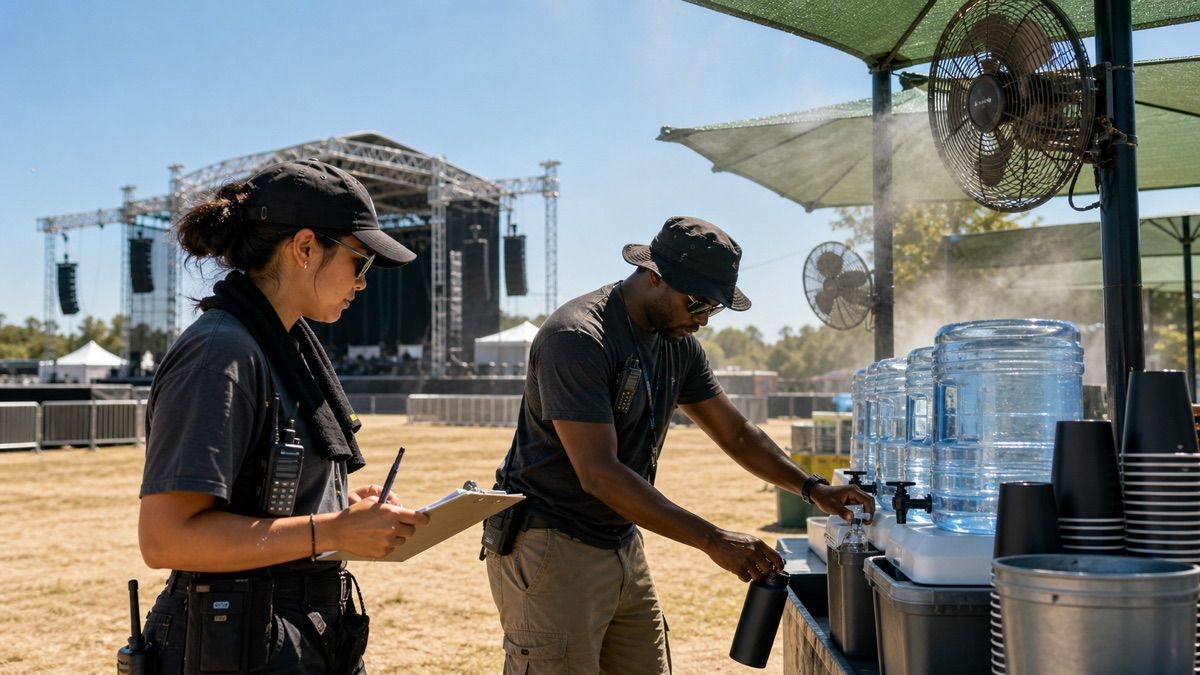
Festival heat safety connects forecasts, site design, water, shade, workforce controls, audience information, medical response and show decisions. A practical planning framework for concert and festival teams.
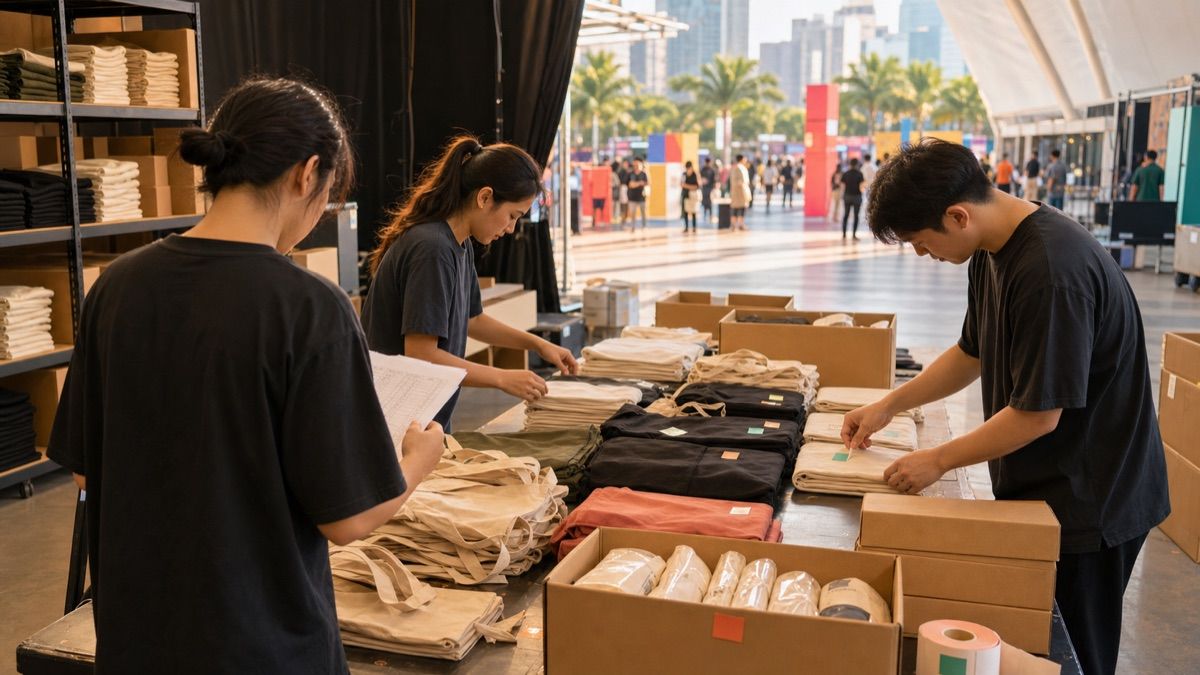
Tour Merchandise Localization: A Southeast Asia Operating Guide
Tour merchandise localization connects rights, assortment, sizing, price, production, import, venue retail and fan support market by market. Use this Southeast Asia guide to build the operating plan.

Entertainment Partnership RFP: How Brands Choose Better Partners
An entertainment partnership RFP should make the business decision, cultural challenge, rights boundary, budget and evaluation method clear. Use this guide to run a fairer, more decision-ready partner search.
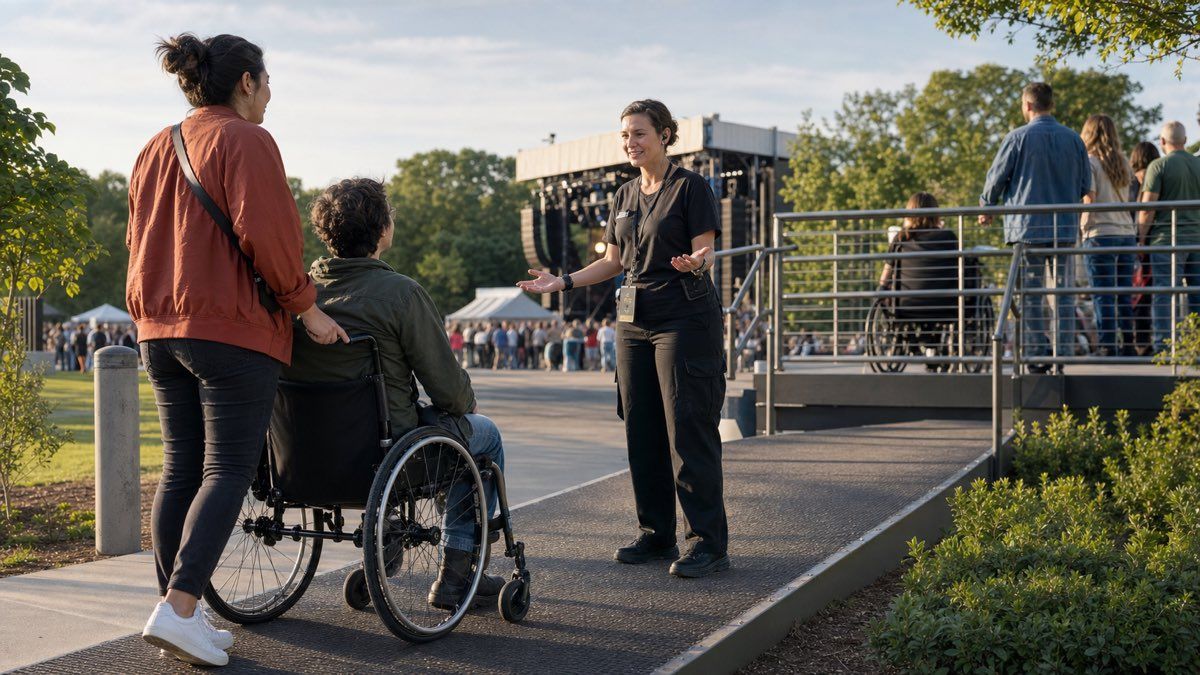
Concert Accessibility: How to Design the Full Fan Journey
Concert accessibility spans discovery, ticketing, arrival, participation, support and exit. Use this framework to plan an inclusive fan journey.
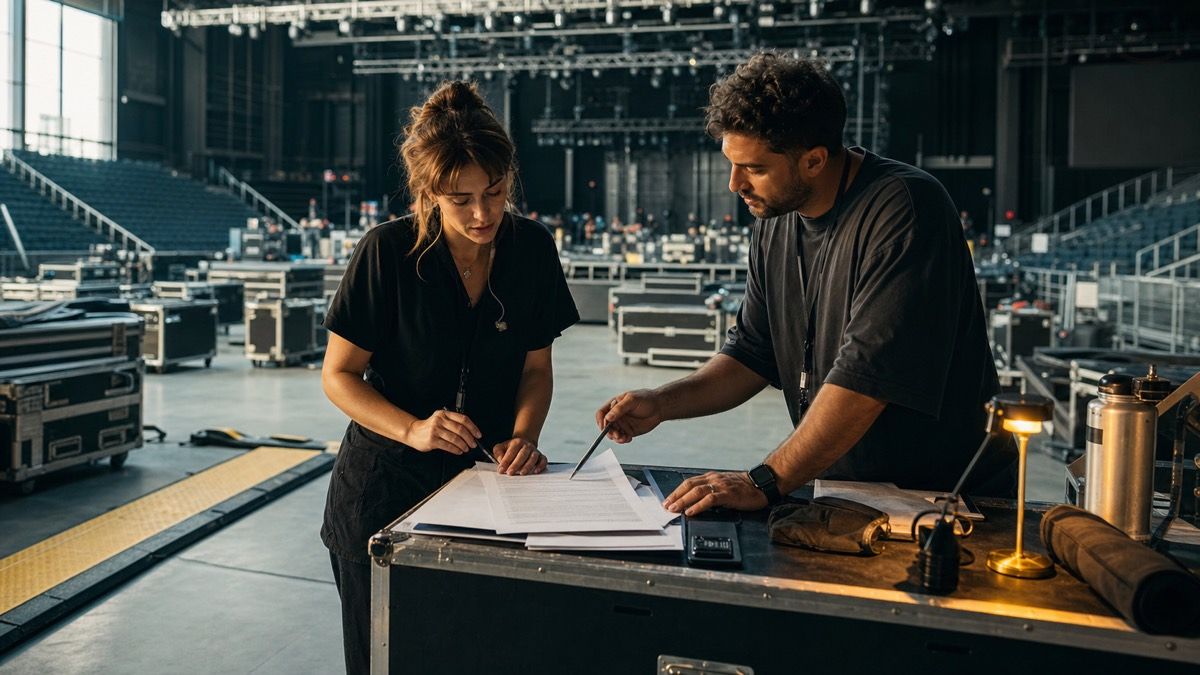
Artist Booking Contract Checklist: 14 Terms Promoters Should Confirm
Use this artist booking contract checklist to confirm the deal, rights, production duties, cancellation rules and show-day evidence before signing.
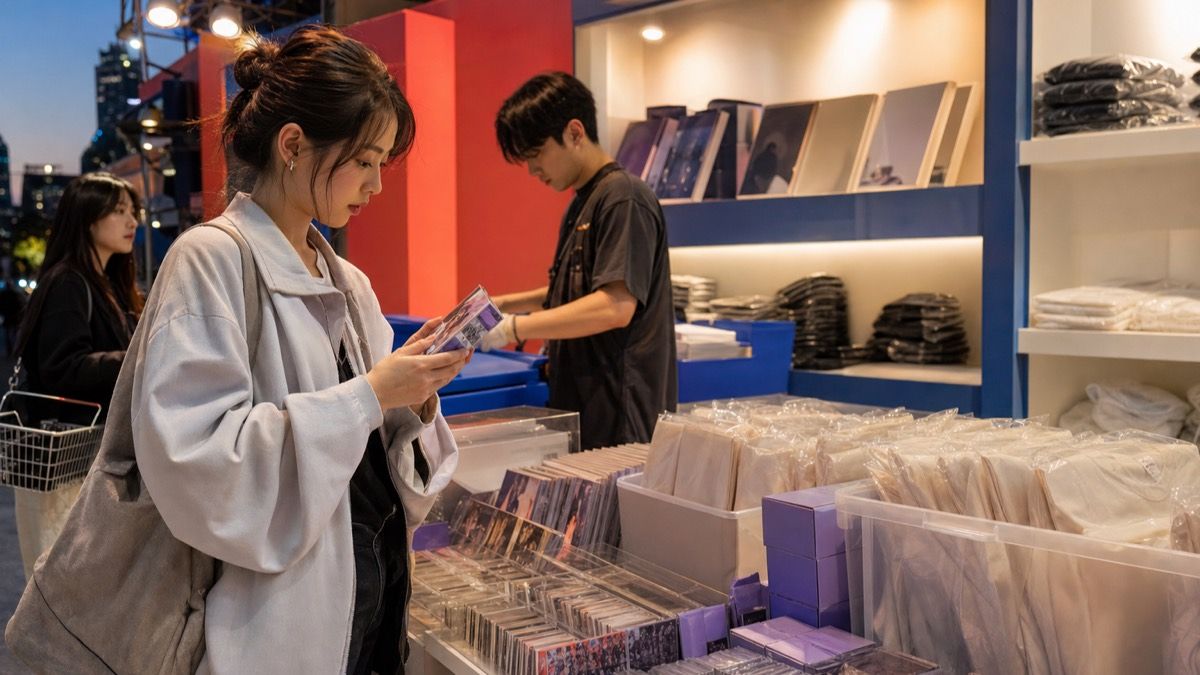
K-Pop Pop-Up Store Strategy: Build a Better Fan Experience
Plan a K-pop pop-up as a complete fan-retail system, with practical guidance on rights, queues, stock, service, consent and measurement.
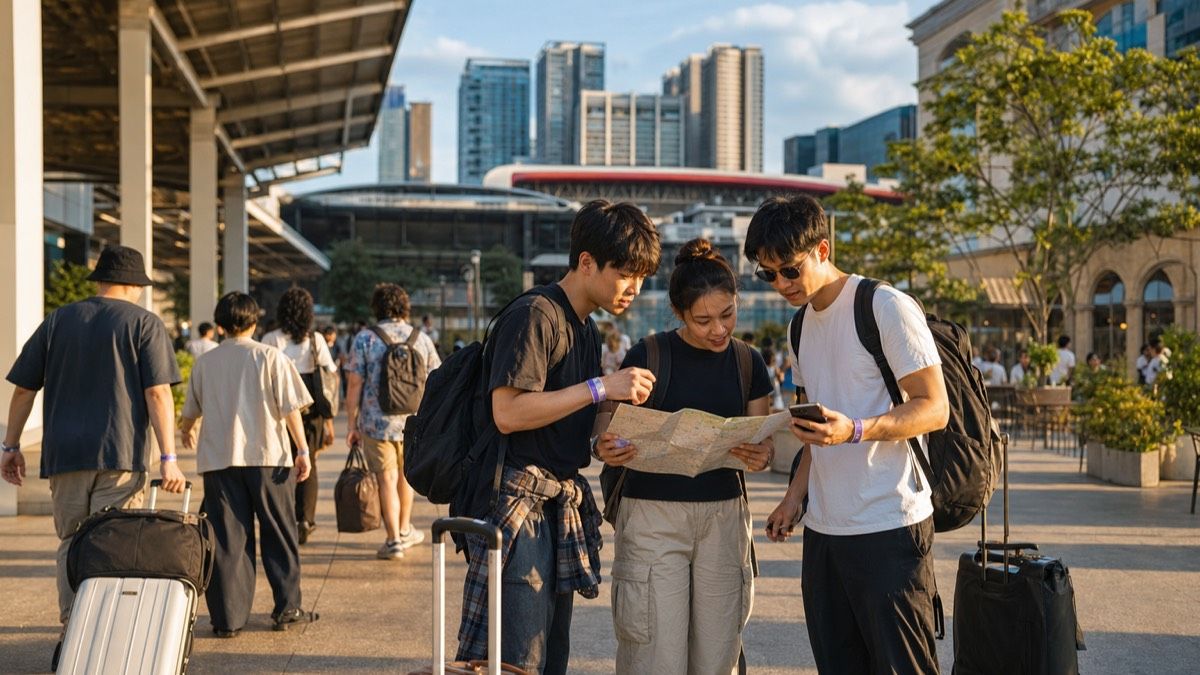
Music Tourism Strategy: How Cities and Brands Create Value
Music tourism connects concerts with travel, hospitality and local commerce. Learn how cities, promoters and brands can design and measure the journey.
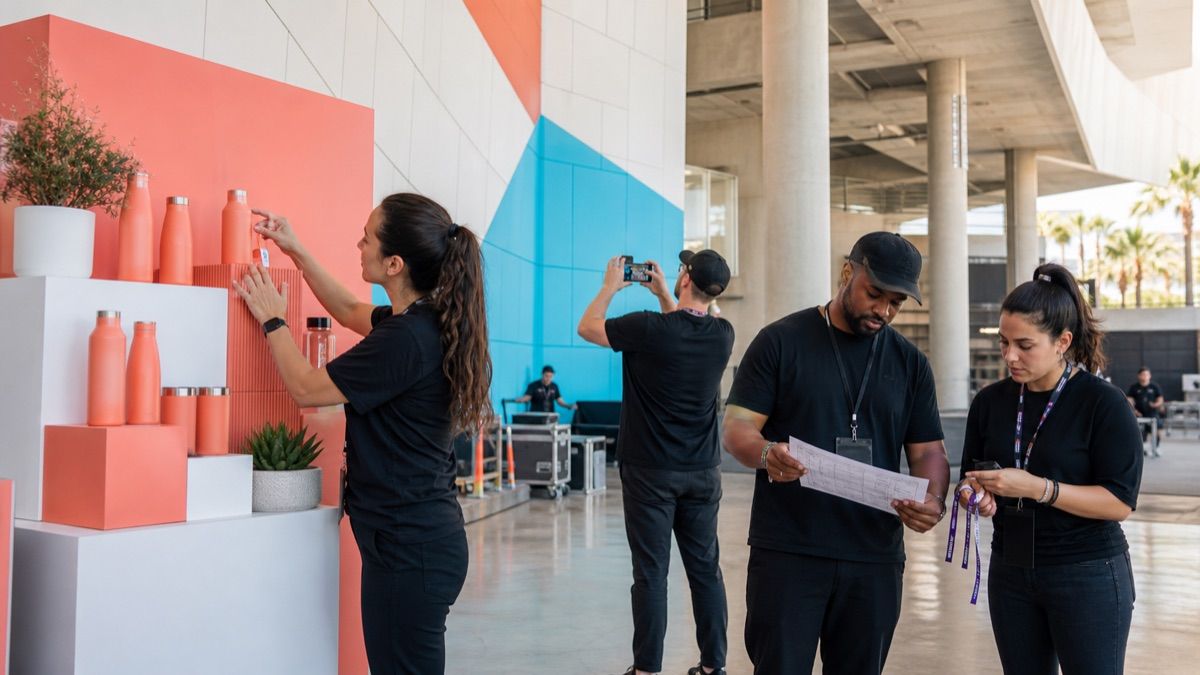
Concert Sponsorship Activation: How to Turn Rights Into a Fan Experience
A concert sponsorship contract buys permissions; activation turns those permissions into fan value and measurable business outcomes. This guide maps the rights, production, data, and evidence required before doors open.

K-Pop Fan Community Platforms Explained: Weverse, Bubble and Brand Strategy
Weverse and bubble are not interchangeable social channels. This guide explains how K-pop fan community platforms structure community, intimacy, commerce, and consent — and how brands should decide where they belong.

How to Use Genre Demand Data to Book Better Events: A Practical Scorecard
A practical promoter workflow for turning streaming, search, local ticket history, fan activity, routing, pricing, and audience economics into venue, guarantee, timing, and marketing decisions.

Chanel Brand Strategy Explained: Scarcity, Ambassadors, Campaigns and Growth
A comprehensive analysis of Chanel's market strategy: how controlled scarcity, recognizable brand codes, selective ambassadors, cinematic campaigns, client experience, and long-term investment reinforce one another.

Group Deal or Member Deal? How Brands Choose in K-Pop
Partner with the whole group, or with one member? It is one of the first and most consequential decisions in a K-pop brand partnership — and the wrong call wastes budget on reach a brand cannot convert. Here is the decision framework, with the trade-offs laid out.
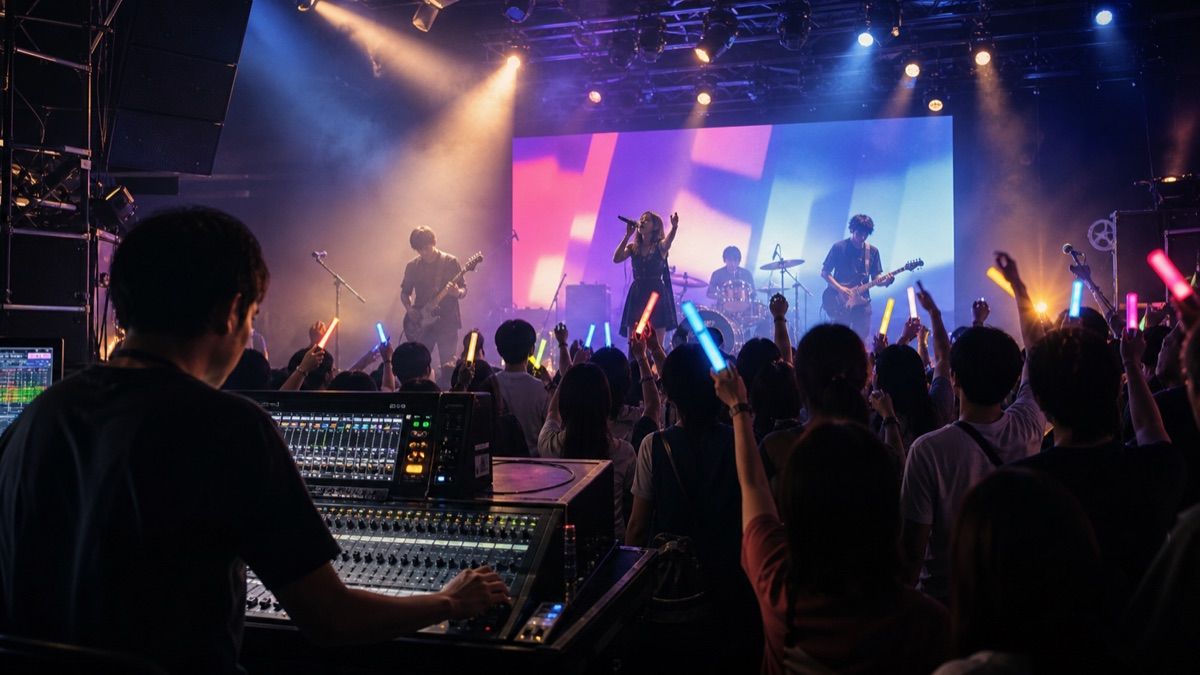
The Anime Music Economy: How Anisong Powers a Global Fanbase
Anisong — anime music — is a global discovery and commerce engine. How opening themes, streaming, and artist crossover build value brands should understand in 2026.

J-Pop Idol Brand Partnerships: How They Work and Differ From K-Pop
J-pop idol partnerships run on a different system to K-pop — agency structure, domestic media, and fan-club economics. What brands should understand in 2026.
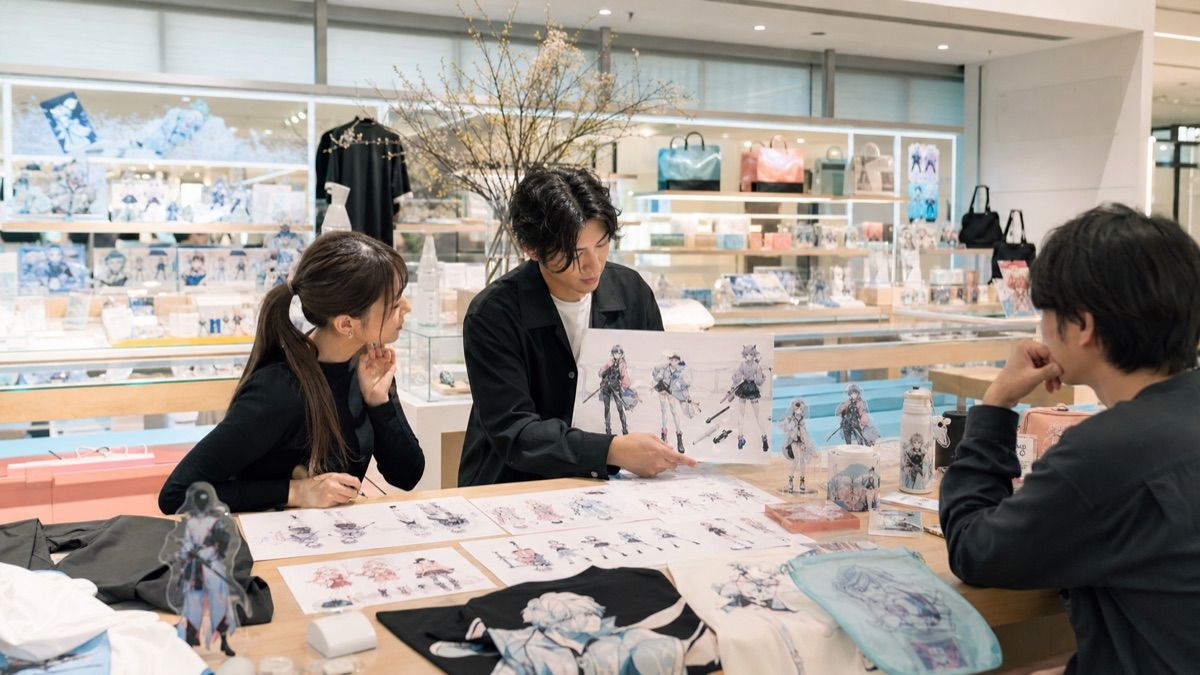
Anime IP Brand Collaborations: How Brands Partner With Anime in 2026
Anime IP has become a global brand-collaboration engine. Here are the collaboration types, licensing structures, and fit rules brands should understand to partner with anime in 2026.

Emerging Signals in Entertainment IP Licensing: What Brands Should Watch
Entertainment IP licensing deals rarely appear from nowhere. They are preceded by readable signals — here is the framework brands should use to spot and evaluate them early.

Chanel's Ambassador Strategy: How a Luxury House Chooses Its Faces
How Chanel and luxury houses use brand ambassadors as strategy — the selection logic behind each face, the assets an ambassador carries, and why cultural fit consistently beats raw fame.
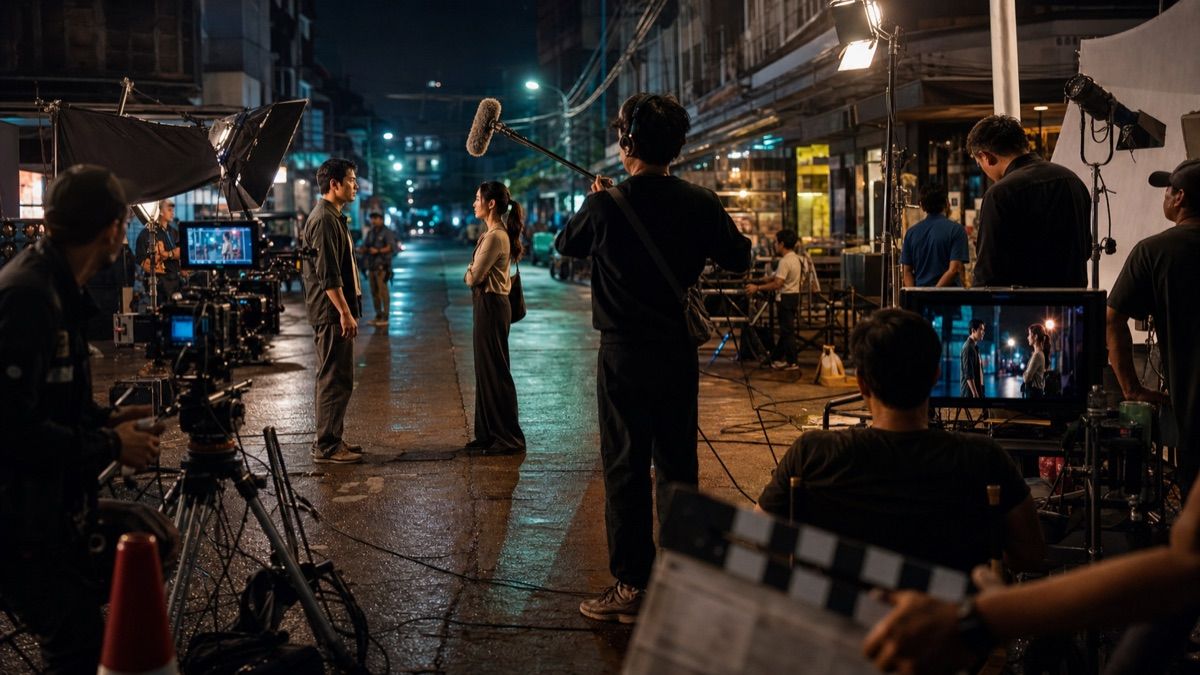
Thailand's Screen Export Engine: How Thai Film and Series Travel
Thai film and series are travelling worldwide through streaming and strong genres. Inside the production capability, talent-discovery funnel, and brand opportunities behind Thailand's screen export in 2026.

Thai Stars as Global Brand Ambassadors: The Endorsement Economics
Global houses are appointing Thai stars as ambassadors. The logic is fit over reach — the assets a Thai endorsement actually sells, and how brands should price them in 2026.
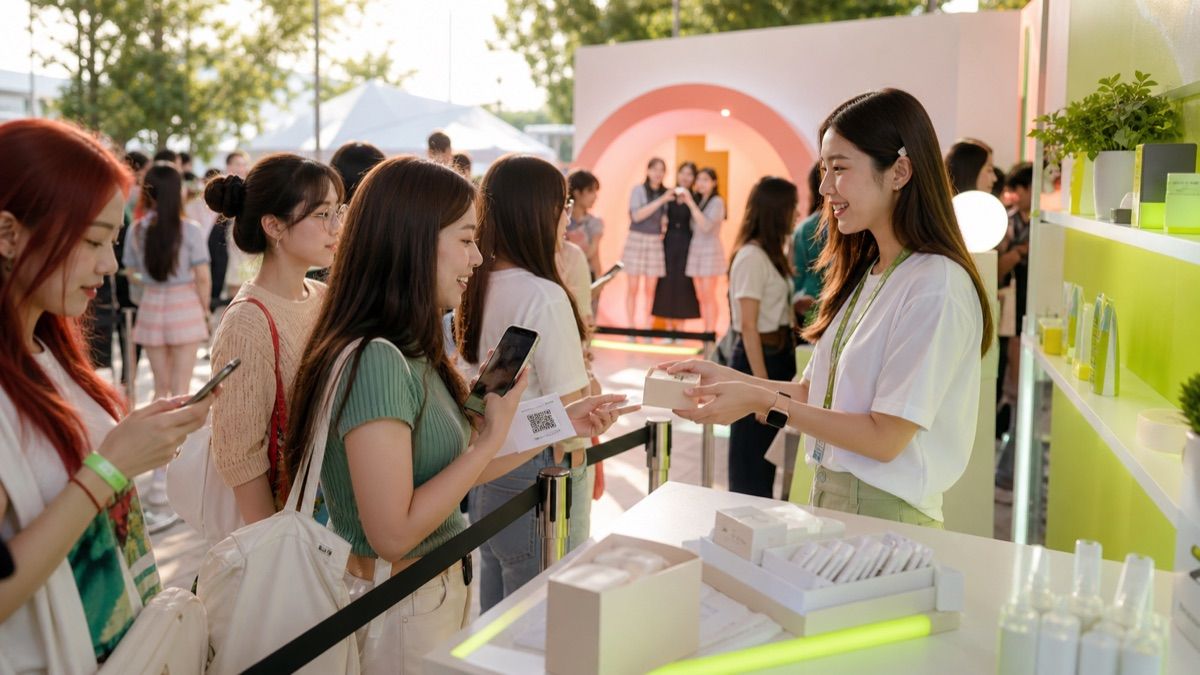
How Global Brands Partner With Thai Fandoms in 2026
Partnering with Thai fandoms is a system — endorsement structure, activation, content rights, a conversion path, and measurement beyond reach. Here is what brands should get right in 2026.

Thai BL in 2026: The Fandom Economy That Moves Product
Thai BL series built global, highly participatory fan communities that convert into ticket sales, travel, and brand demand. This is the commercial mechanics brands should understand in 2026.

Pagaehun Live in Jakarta 2026: The Artist, the Concert and the Fandom Explained
Pagaehun (박태훈) is a rising K-pop singer-songwriter bringing an intimate solo concert to Jakarta in 2026 — one of the world's most active K-pop cities. Here is who the artist is, what the concert is, and why brands are looking at it as a focused way into Indonesia's young fandom.

Jennie's Solo Era: The Economics of a Standalone K-Pop Brand
Jennie went from one quarter of BLACKPINK to a standalone brand with her own label, her own release strategy, and one of the most valuable individual endorsement portfolios in music. Here is how a solo K-pop star creates commercial gravity — and how brands should read it.

The First 48 Hours of a K-Pop Endorsement: What Happens When a Brand Announces an Ambassador
The moment a brand announces a K-pop ambassador, a fandom machine switches on — and the next 48 hours decide how much of that energy becomes real value. Here is what actually happens, hour by hour, and how brands prepare so the spike converts instead of evaporating.

The BLACKPINK Luxury Playbook: How Four Members Became Global House Ambassadors
Jennie, Lisa, Rosé and Jisoo each anchor a different luxury house — Chanel, Celine, Saint Laurent, Dior and more. Here is how one group turned four individual ambassadorships into the most-studied brand-partnership case in K-pop, and what brands should learn from it.
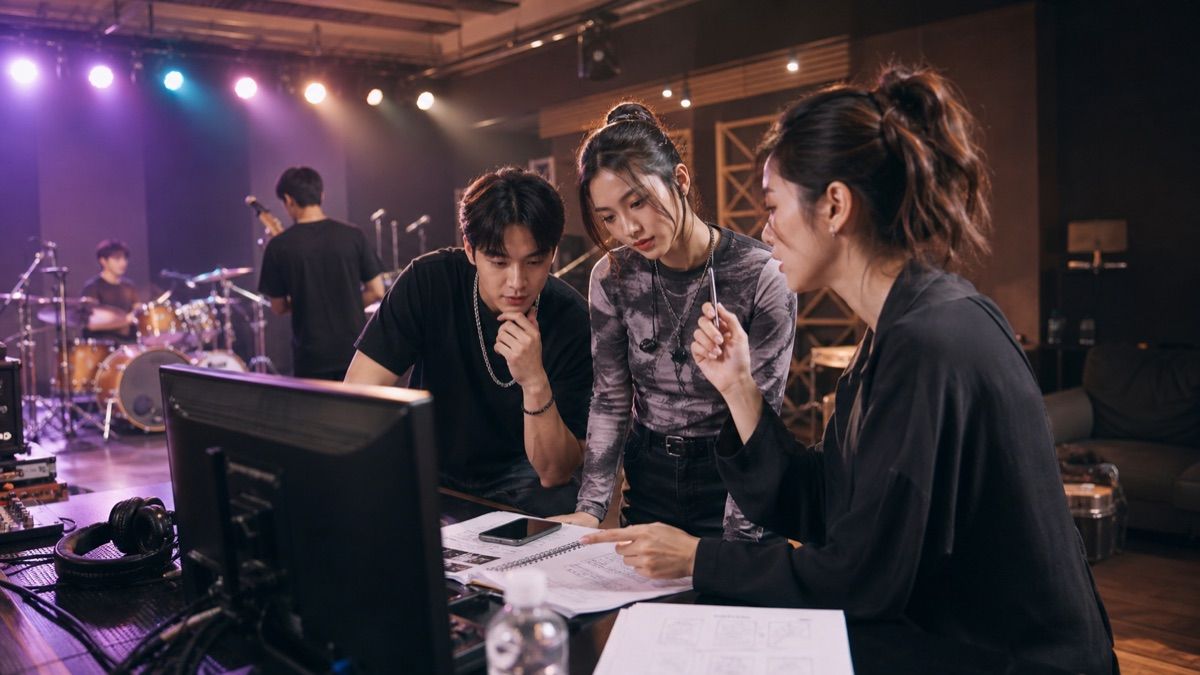
Thailand's Music Export Engine: How T-Pop Is Scaling Worldwide
Thai pop is no longer a domestic-only story. Between Coachella moments, BL series soundtracks, TikTok virality, and touring demand across Asia, T-pop has built real export paths. Here is how Thailand turns local music into global reach — and why brands should track it now.
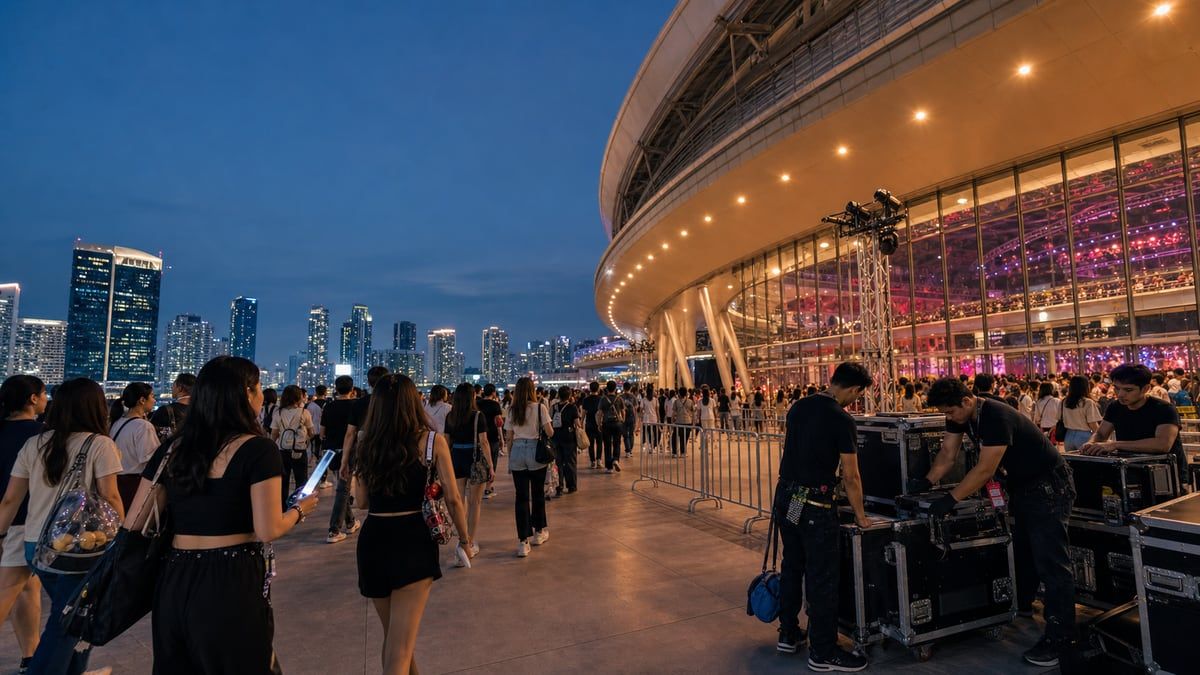
Bangkok, Asia's Concert Capital: Why Tours Route Through Thailand
Bangkok has become one of the most reliable tour stops in Asia — a city global and regional acts route through, not around. Here is why Thailand punches above its size in live entertainment, and what that means for promoters and brands planning the region.

K-Pop Birthday Café Trends 2026: Beyond Seoul to Bangkok, Jakarta and Manila
The fan-organised birthday café has spread far beyond Seoul — and 2026 is turning it into one of the most authentic grassroots marketing formats in Asia. Here is where the trend is heading, how costs and culture differ across cities, and why brands should pay attention.
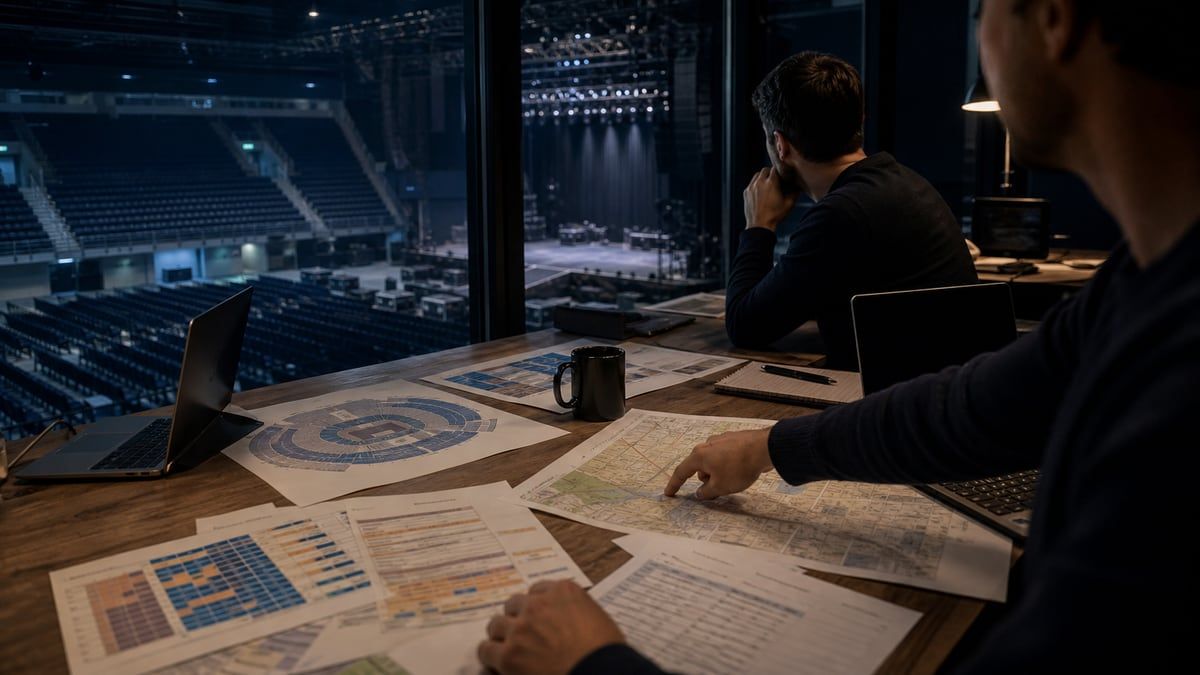
How Genre Demand Shapes Event Booking Decisions: A Promoter's Guide
Before a promoter picks an artist, they are really picking a genre — and genre demand varies enormously by city, season, and audience. Here is how genre-level demand actually enters a booking decision, and why ignoring it is the fastest way to book a show into an empty room.
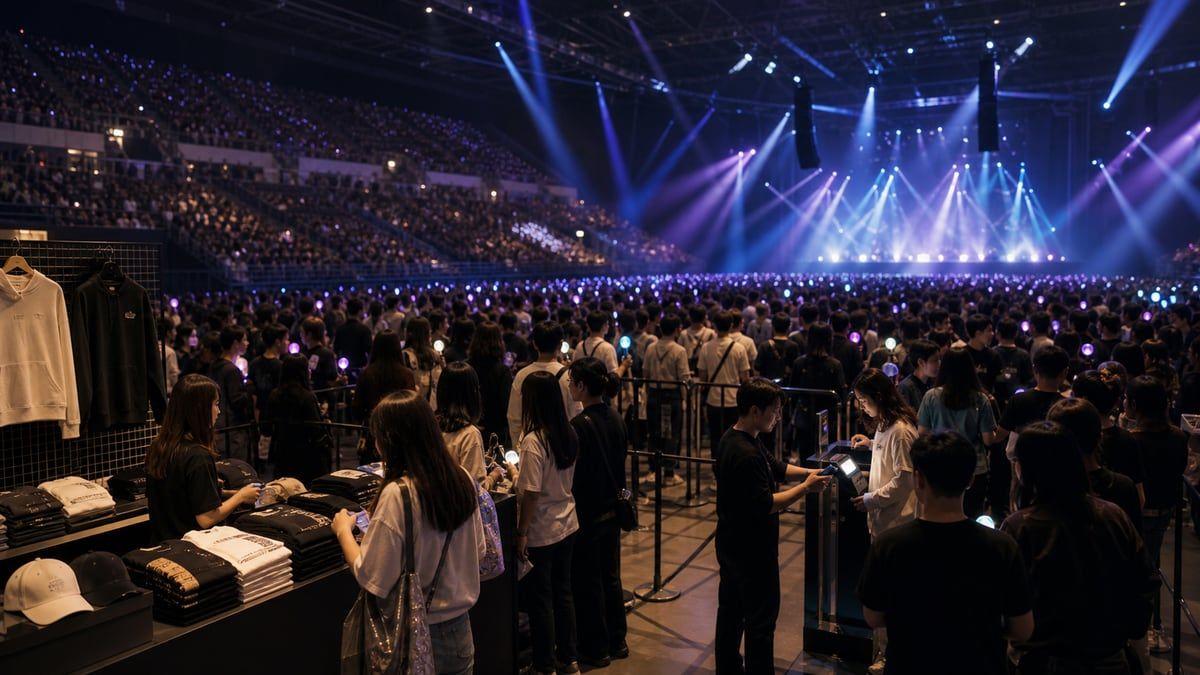
The K-Pop Concert and Live Event Market in 2026: Size, Revenue and Booking Economics
K-pop's live business has become one of the most valuable engines in the fandom economy — driven by world tours, stadium runs, and a fast-growing Asian circuit. Here is how the market is sized, where the revenue actually comes from, and what shapes an artist's booking economics.
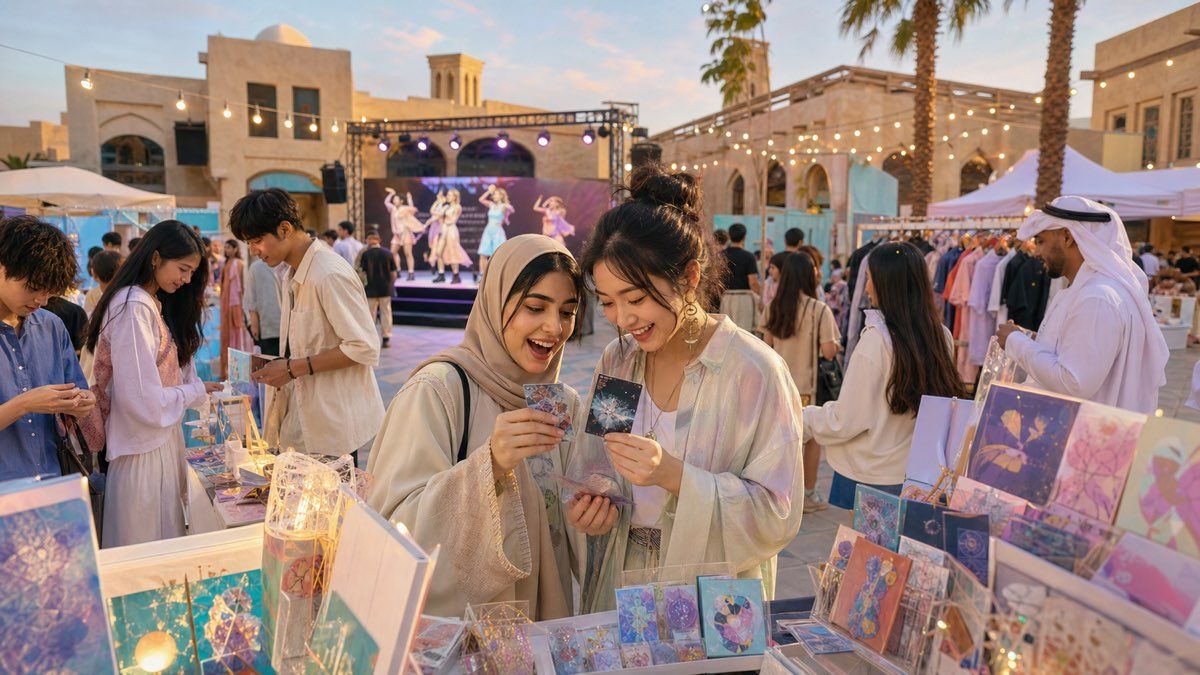
Asian Entertainment Meets the Gulf: The K-pop, C-pop, J-pop and Celebrity Opportunity in the GCC
In a 2025 survey across Saudi Arabia, the UAE and Egypt, 87% of Hallyu fans had watched K-dramas and K-pop users jumped 67% in a year. Anime is mainstream, K-pop sells out stadiums, and C-pop is wide open. A guide to the Asian-entertainment opportunity in the Gulf — and how brands should read it.
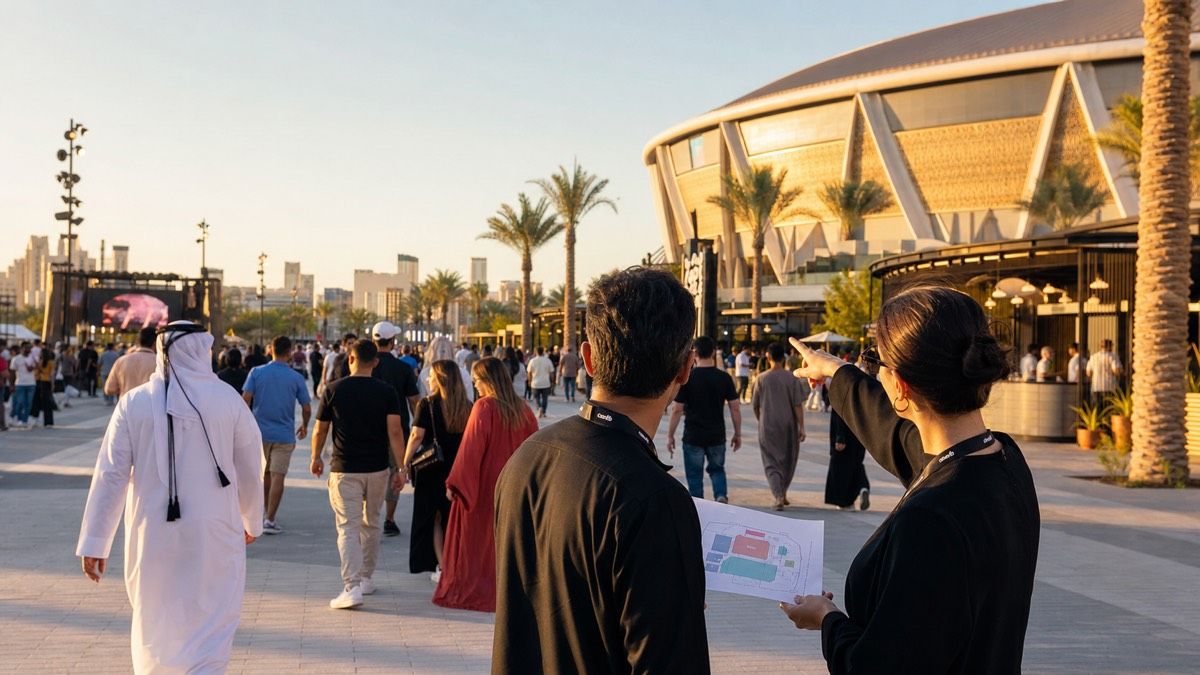
The GCC Entertainment Market by the Numbers: Size, Revenue, Tours and the Audience Behind Them
The Gulf has become one of the world's fastest-growing live-entertainment markets — Saudi Arabia's events sector alone is estimated near US$14.6 billion in 2026. A data-led map of the GCC across Arab, Western, and Asian entertainment: market size, revenue, tours, spending power, and fans.
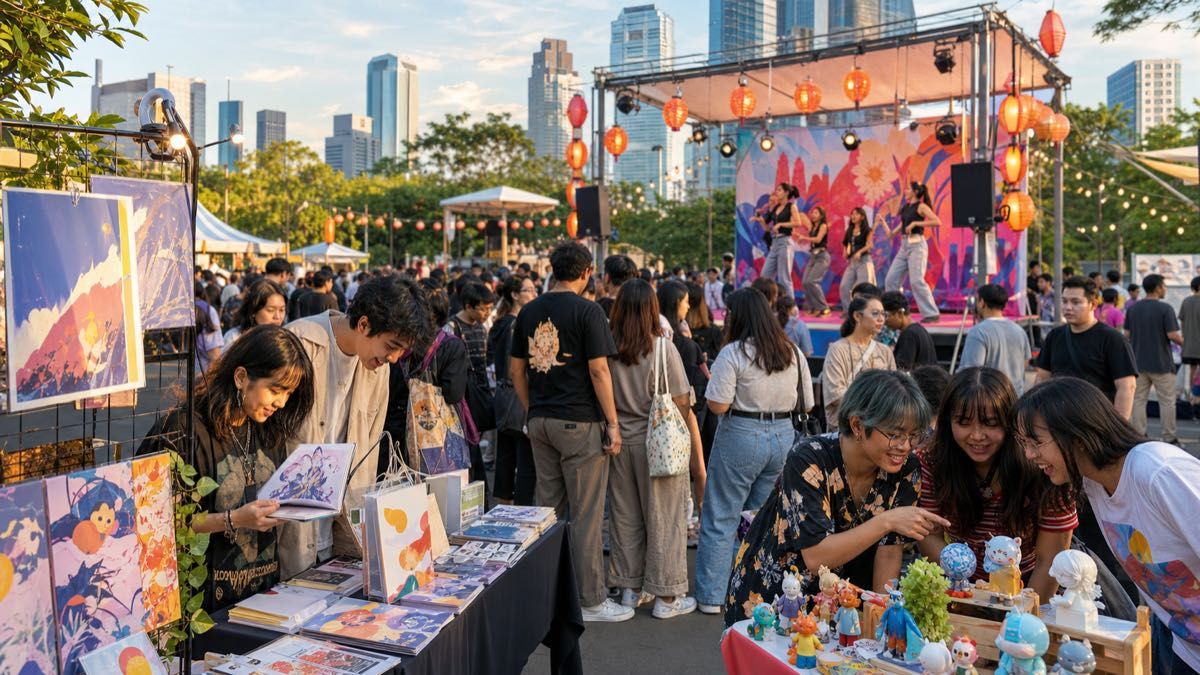
The 32 Million: Indonesia's Japanese-Culture Audience and the Market Brands Keep Missing
Indonesia is one of the largest Japanese-culture audiences on earth — an estimated 32 million people watching anime, reading manga, and turning up for J-culture events. Here is why that audience is commercially underrated, and how brands should read it.

Zhao Lusi and the Economics of Influence: How One Recommendation Moves a Market
A struggling vendor's livestream had two or three viewers. Then Zhao Lusi mentioned the product — and it sold out in days, with searches up 807% overnight. A case study in how one credible signal moves a market, and why authenticity decides whether it lasts.

How K-Pop Brand Ambassadors Move Markets: From Brand Recall to Sold-Out Campaigns
A K-pop ambassador can lift brand recall overnight — but recall is not revenue. Here is the mechanism that turns an artist announcement into sold-out product, and where most campaigns leak value along the way.
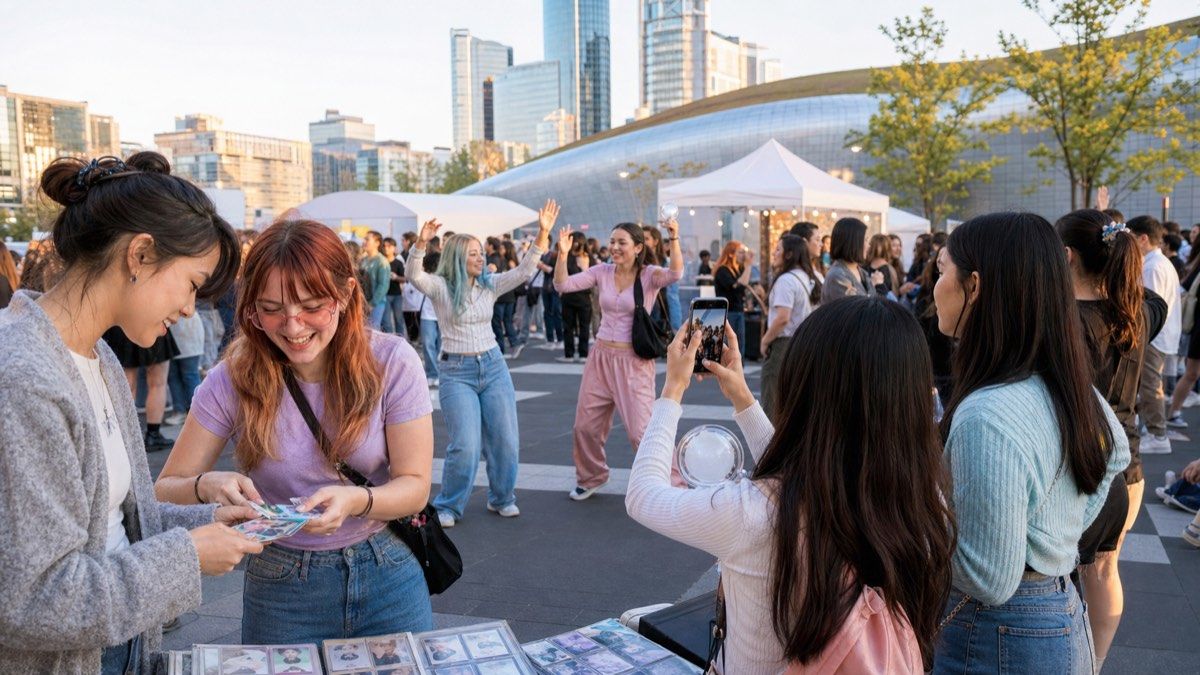
2026 K-Pop Fandom Trend Forecast: Seven Shifts Brands and Promoters Should Watch
K-pop fandom is becoming more global, participatory, platform-driven, and commercially structured. Seven evidence-led trends shaping fan behavior in 2026.

K-Pop Birthday Café Rental Costs in Seoul: A 2026 Planning Guide
How much does a K-pop birthday café cost in Seoul? Current venue examples, hidden budget lines, neighborhood trade-offs, and a practical planning framework for fan organisers.
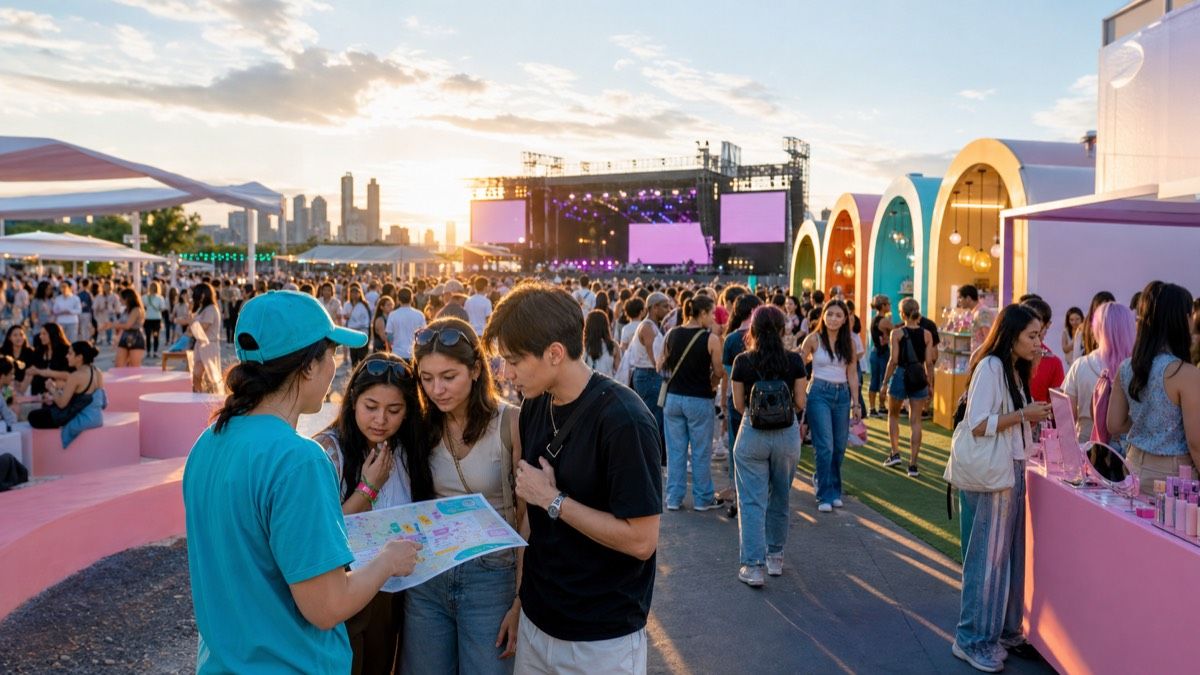
Successful K-Pop Event Case Studies: What International Fan Experiences Get Right
KCON Japan, KCON LA, and KCON Germany show how successful K-pop events serve international fans through participation, local culture, broadcast reach, and operational clarity.
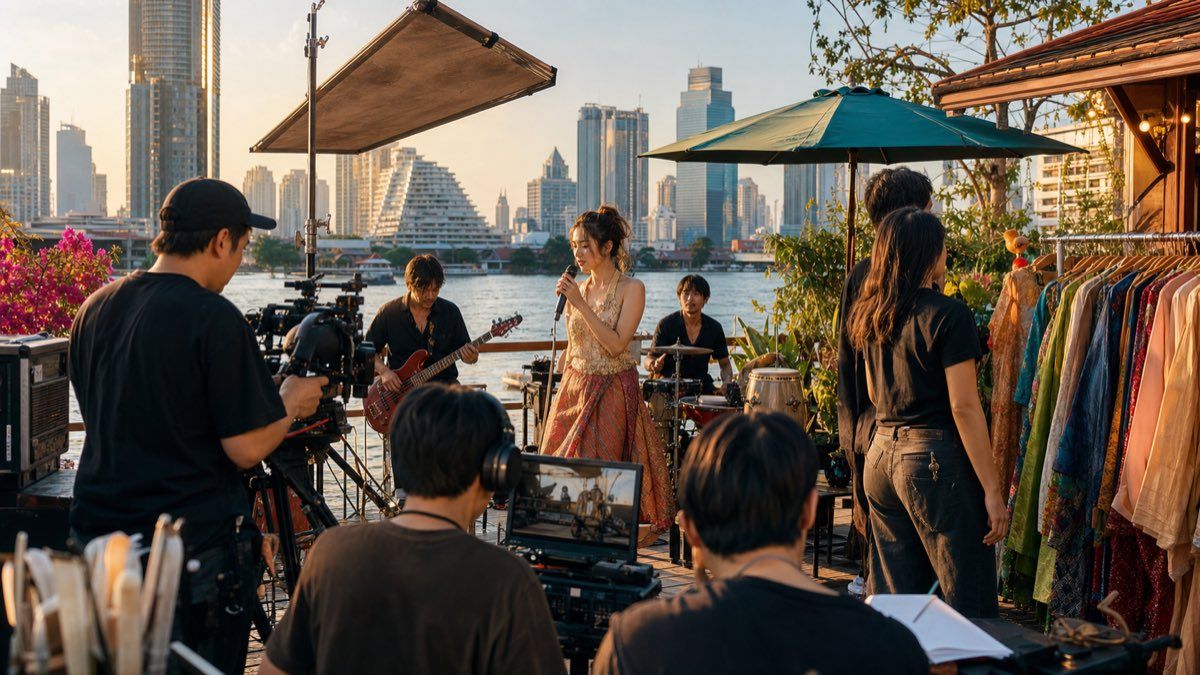
Thailand Entertainment Industry 2026: Why Thai Music and Screen Content Are Scaling Globally
Thailand's entertainment industry in 2026: how Thai music, film, series, and live events are scaling globally — and the five commercial layers brands must map to partner with them.
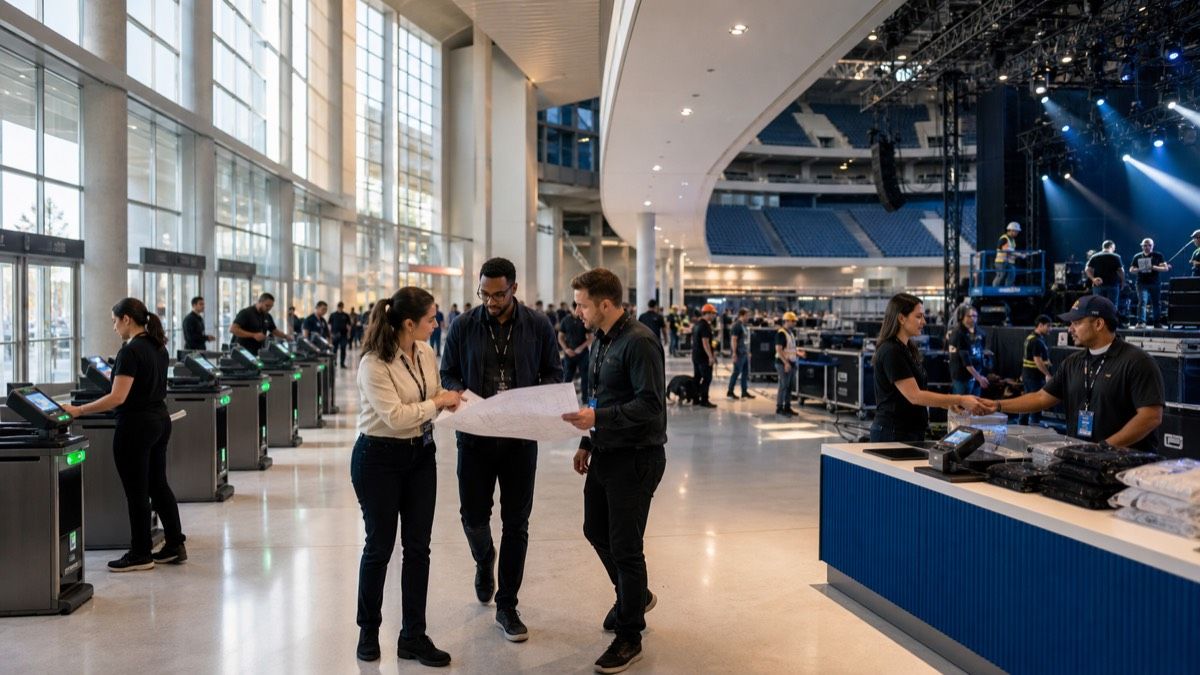
Entertainment Infrastructure: The Operating System Behind Scalable Fandom Growth
Entertainment growth needs more than artists and content. A practical model for the intelligence, rights, ticketing, fan data, and measurement behind scalable fandom.
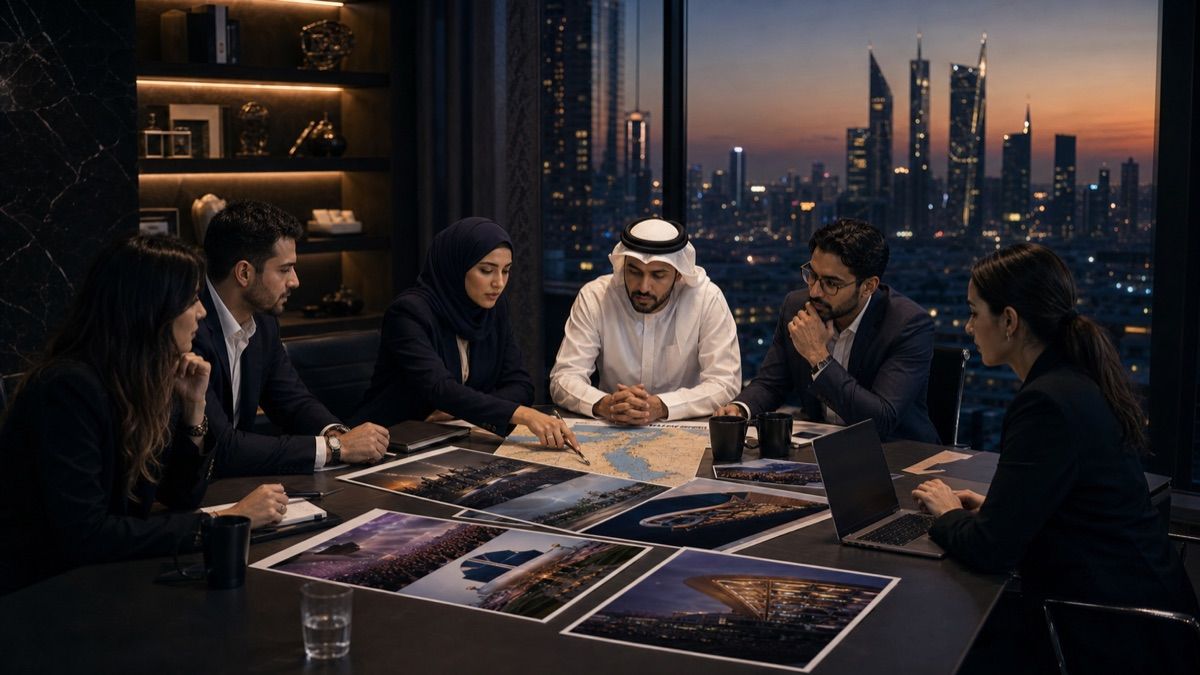
Saudi Arabia vs the UAE: How Brands Should Choose a GCC Entertainment Market
Saudi Arabia and the UAE are both major entertainment gateways, but they reward different partnership strategies. A decision framework for choosing the right GCC market.
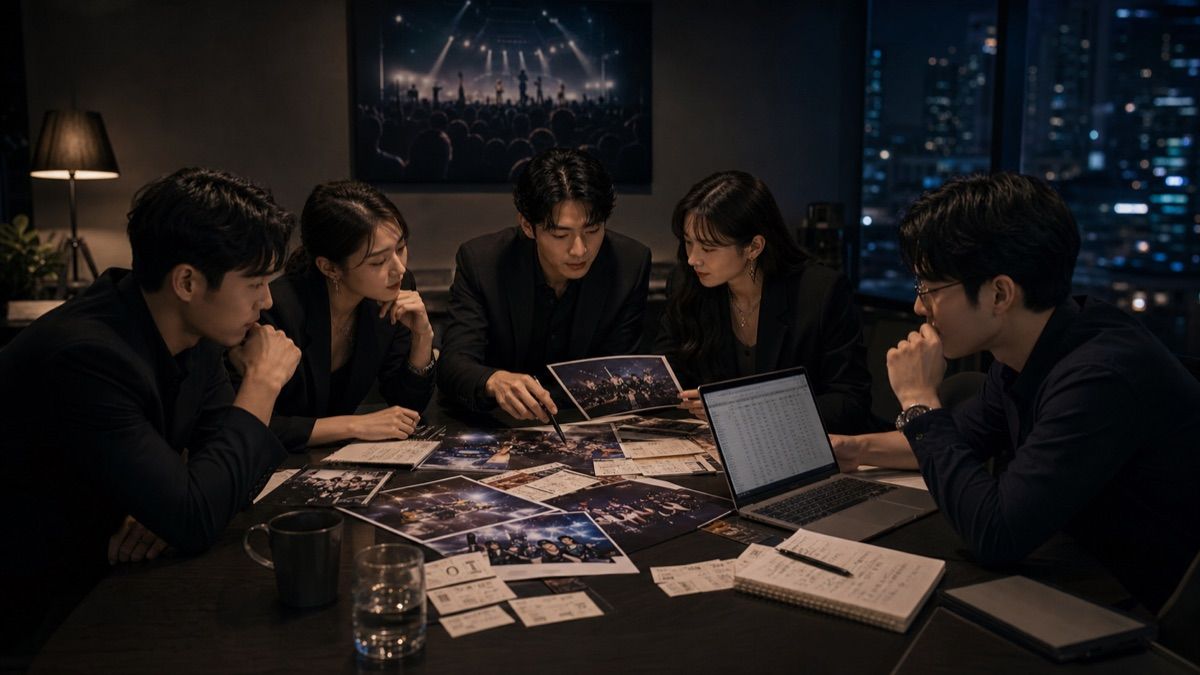
The Entertainment Sponsorship Measurement Stack: From Reach to Incremental Growth
Views and engagement cannot explain whether an entertainment partnership changed the business. This five-layer measurement stack connects exposure to brand lift and conversion.
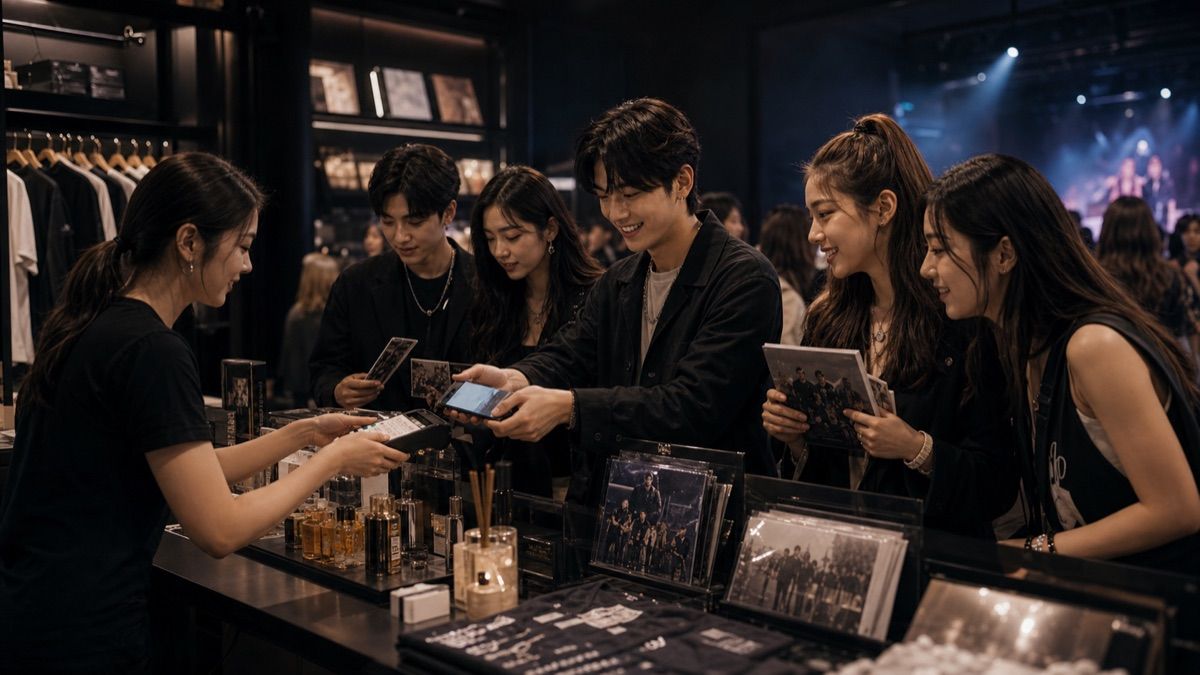
From Fandom to Checkout: How Entertainment Partnerships Create Commerce in Asia
Fandom attention does not automatically become revenue. A practical commerce funnel for moving entertainment audiences from cultural participation to measurable customer action.
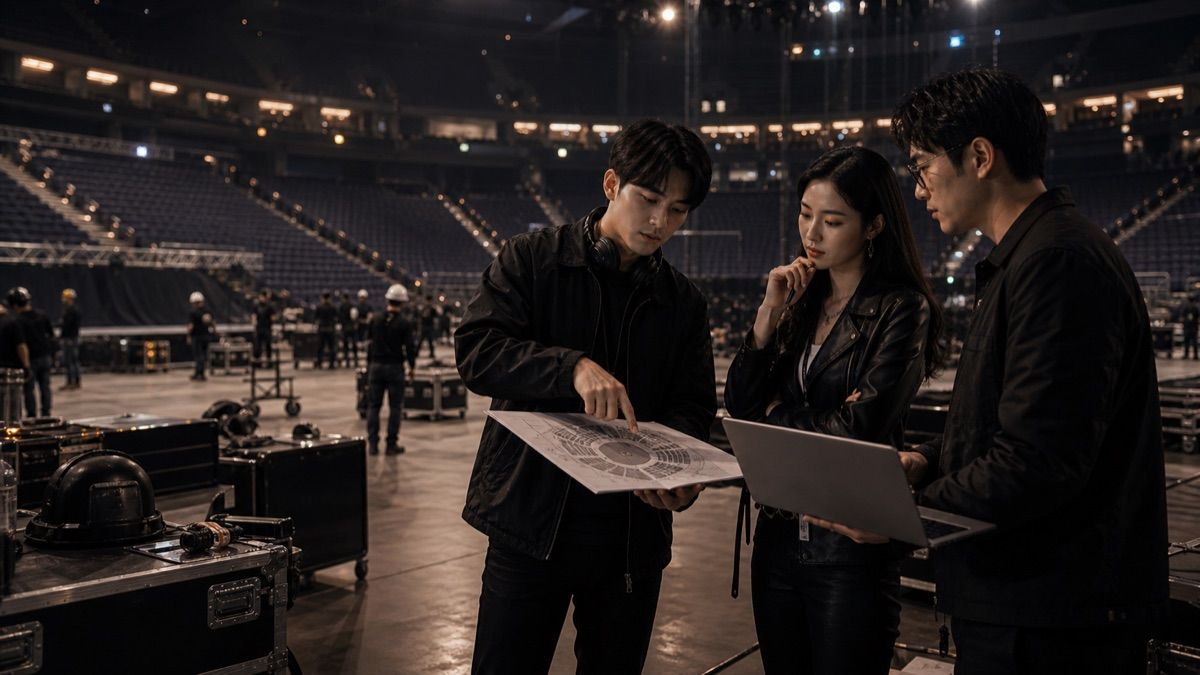
Event Demand Forecasting: What Promoters Should Know Before Booking an Artist
The most expensive event mistakes happen before tickets go on sale. A practical framework for forecasting artist demand, venue fit, and downside risk before contracting.
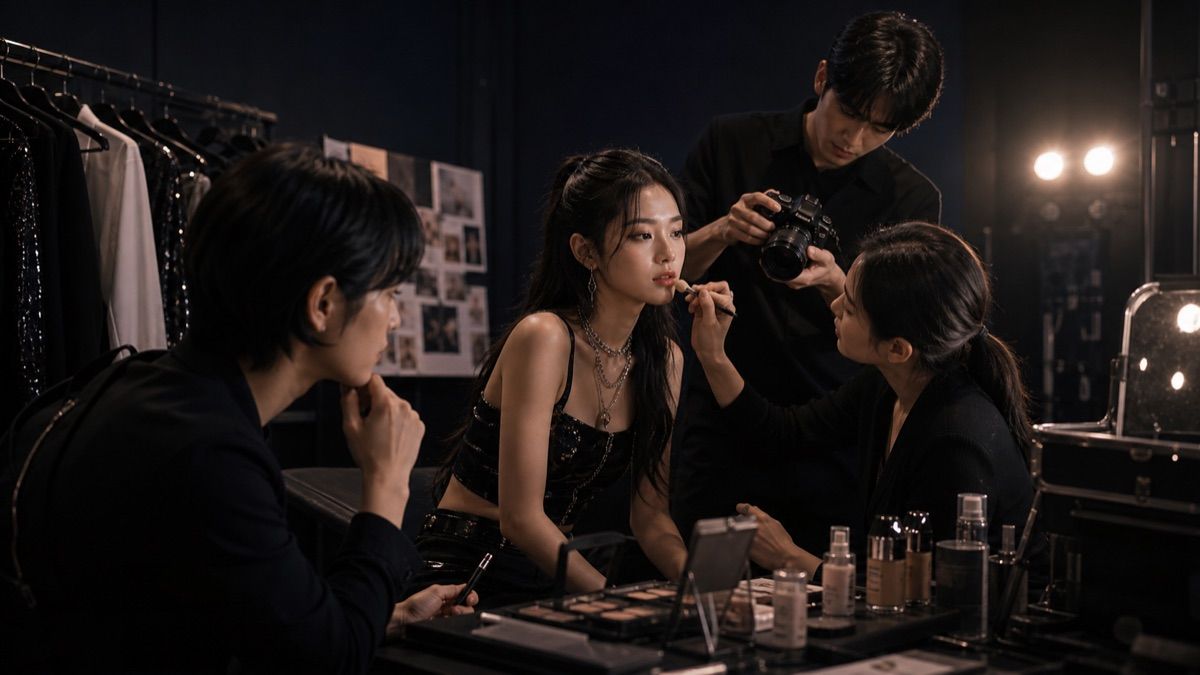
K-Beauty x K-Pop: Why Audience Fit Matters More Than Follower Count
K-beauty and K-pop share cultural momentum, but not every artist can sell every beauty proposition. A framework for evaluating category, audience, market, and creative fit.
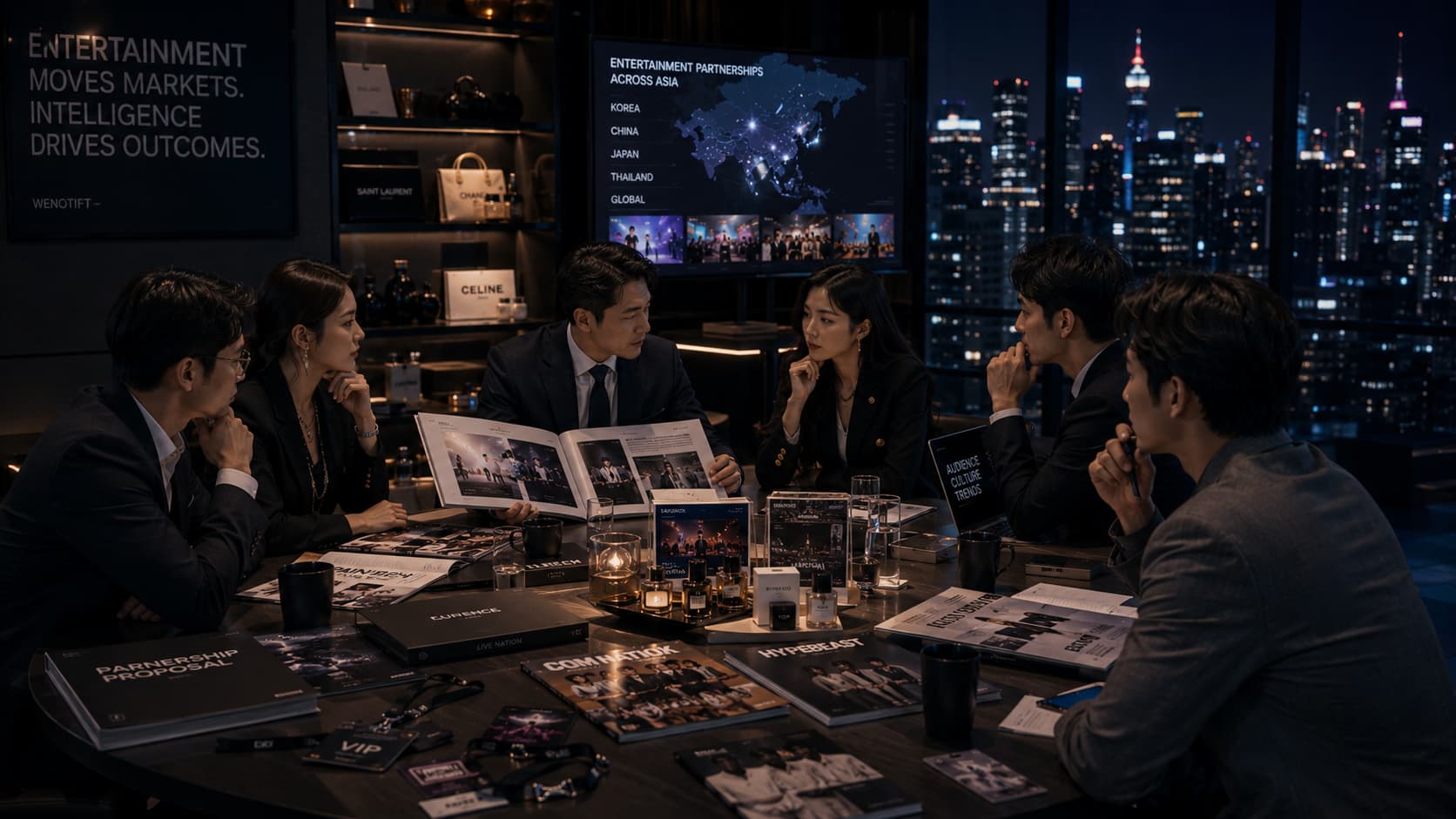
Why Entertainment Intelligence Is the Biggest Blind Spot in Brand Marketing
Brands pour billions into entertainment partnerships, then admit they don’t really know if it worked. The reason is a missing intelligence layer beneath the industry’s biggest decisions — and why we built WENOTIFT to fix it.
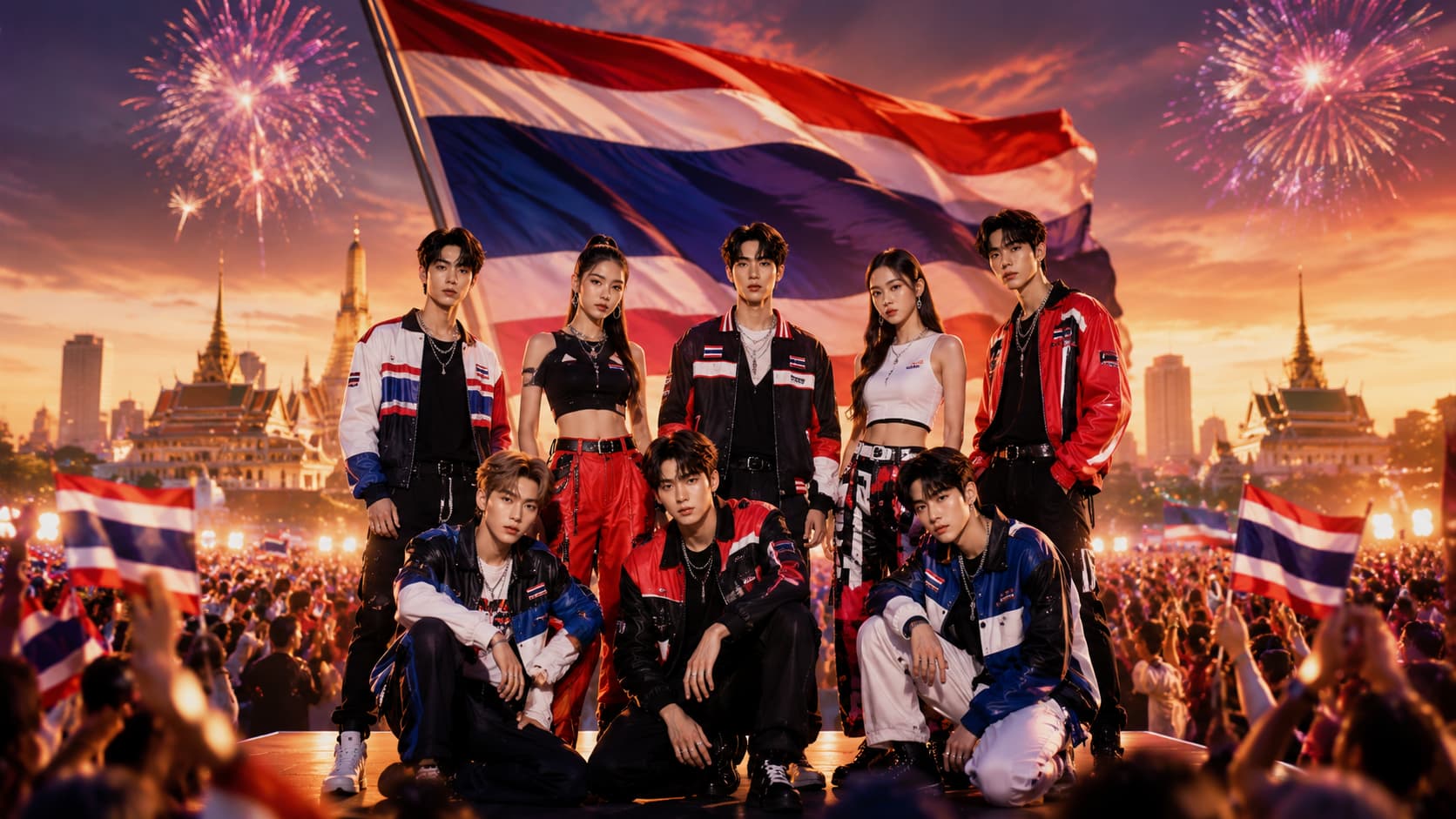
Thai Pop’s Untapped Market: Why Global Brands Overlook Thailand’s Most Patriotic Entertainment Boom
Thailand is the rare market where domestic artists out-pull international ones. Patriotic pride sits at the core of Thai pop — and brands that understand it, and partner authentically, unlock a market most global players overlook.
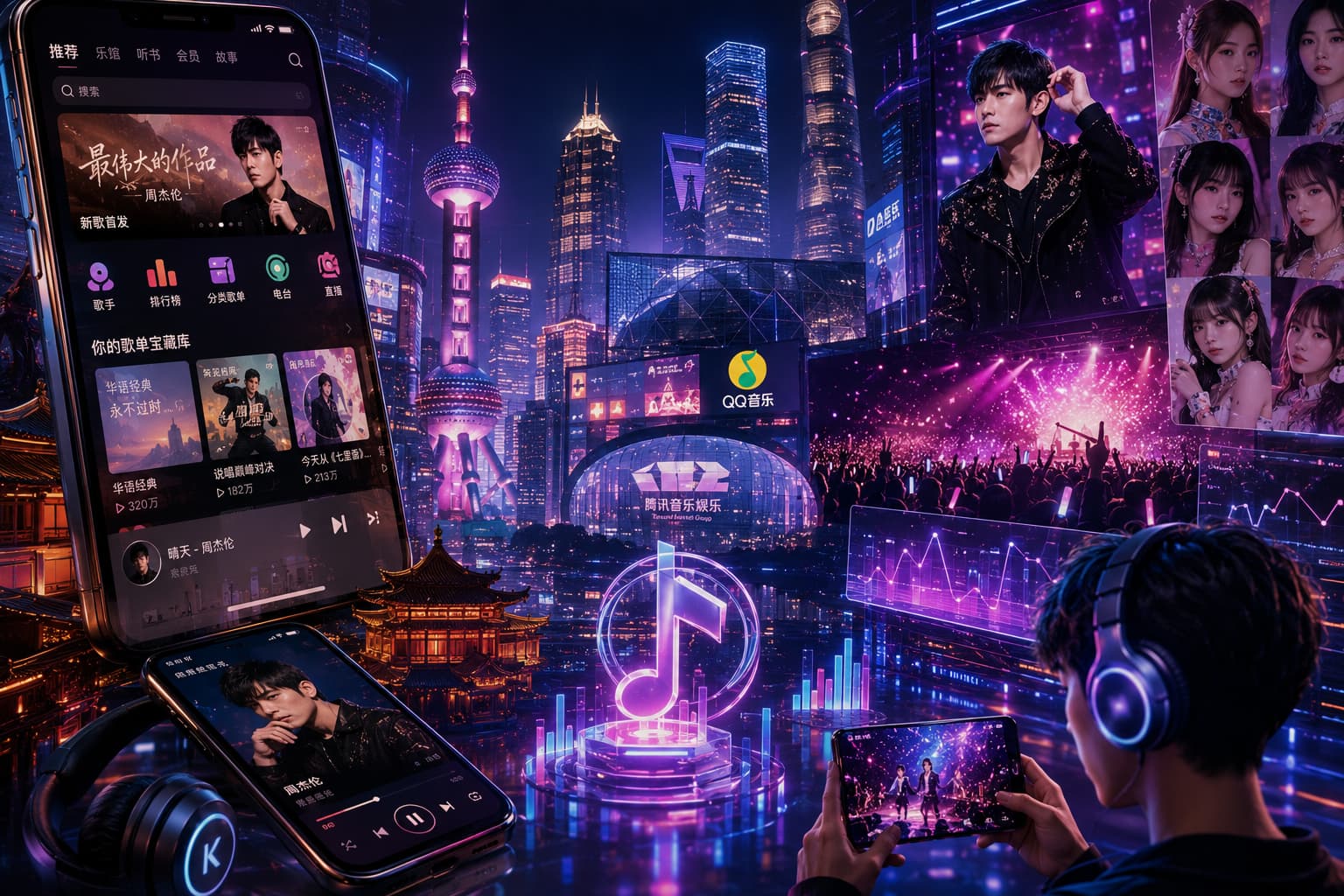
What Is the C-Pop Market? China’s Music Economy and the Brand Opportunity Most Marketers Can’t Read
C-Pop is among the world’s largest music economies — but it runs on its own platforms, stars, and rules. Here’s how the market actually works, from Tencent Music to Jay Chou to mainland mega-idols, and why Western playbooks fail to read it.
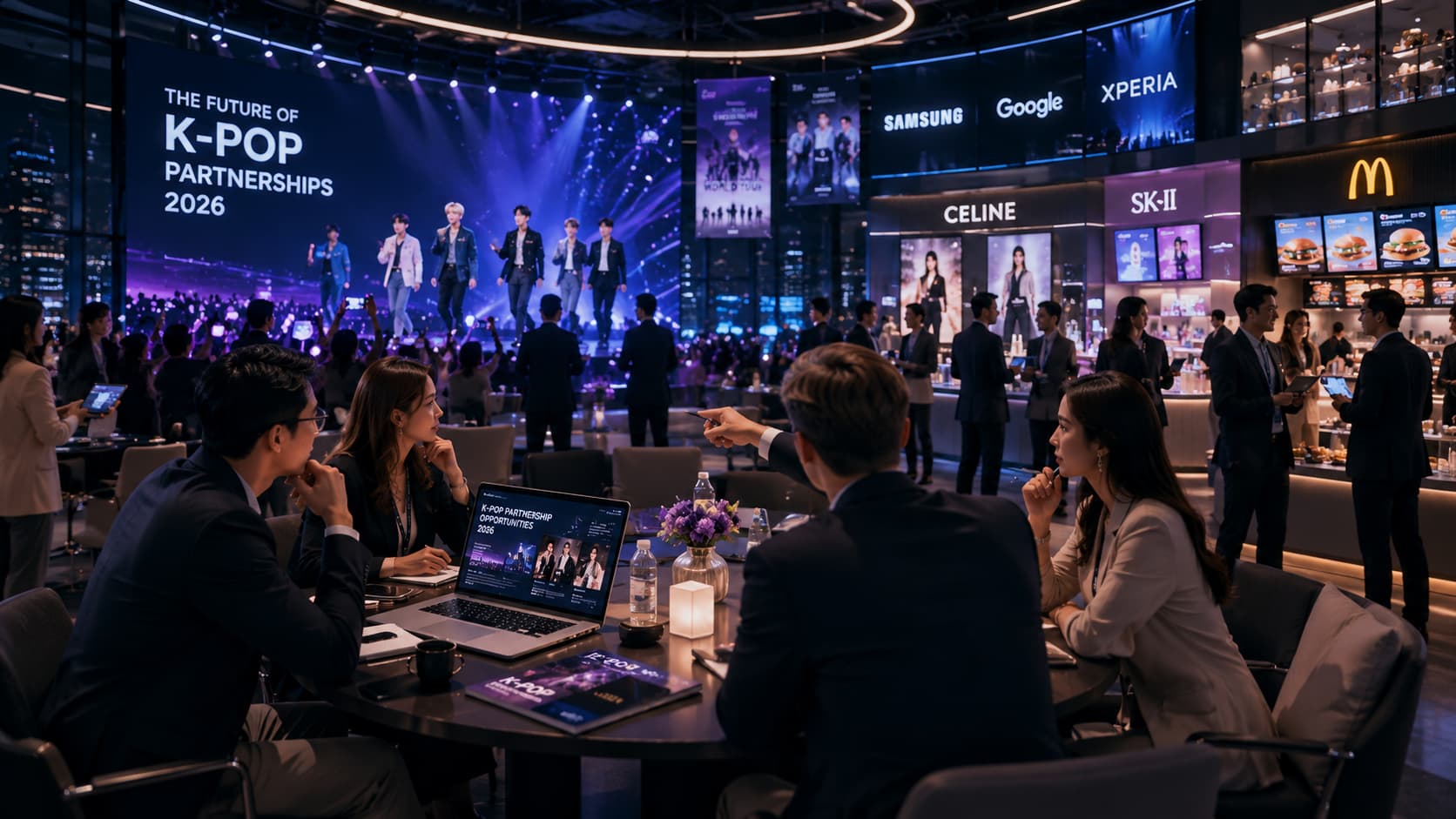
The Four-Layer Intelligence Framework: How Smart Brands Evaluate Entertainment Partnerships
Every entertainment decision reduces to four questions — artist, fan, event, and ticketing. Here’s the framework for evaluating partnerships across all four layers, and why intelligence compounds where intuition doesn’t.
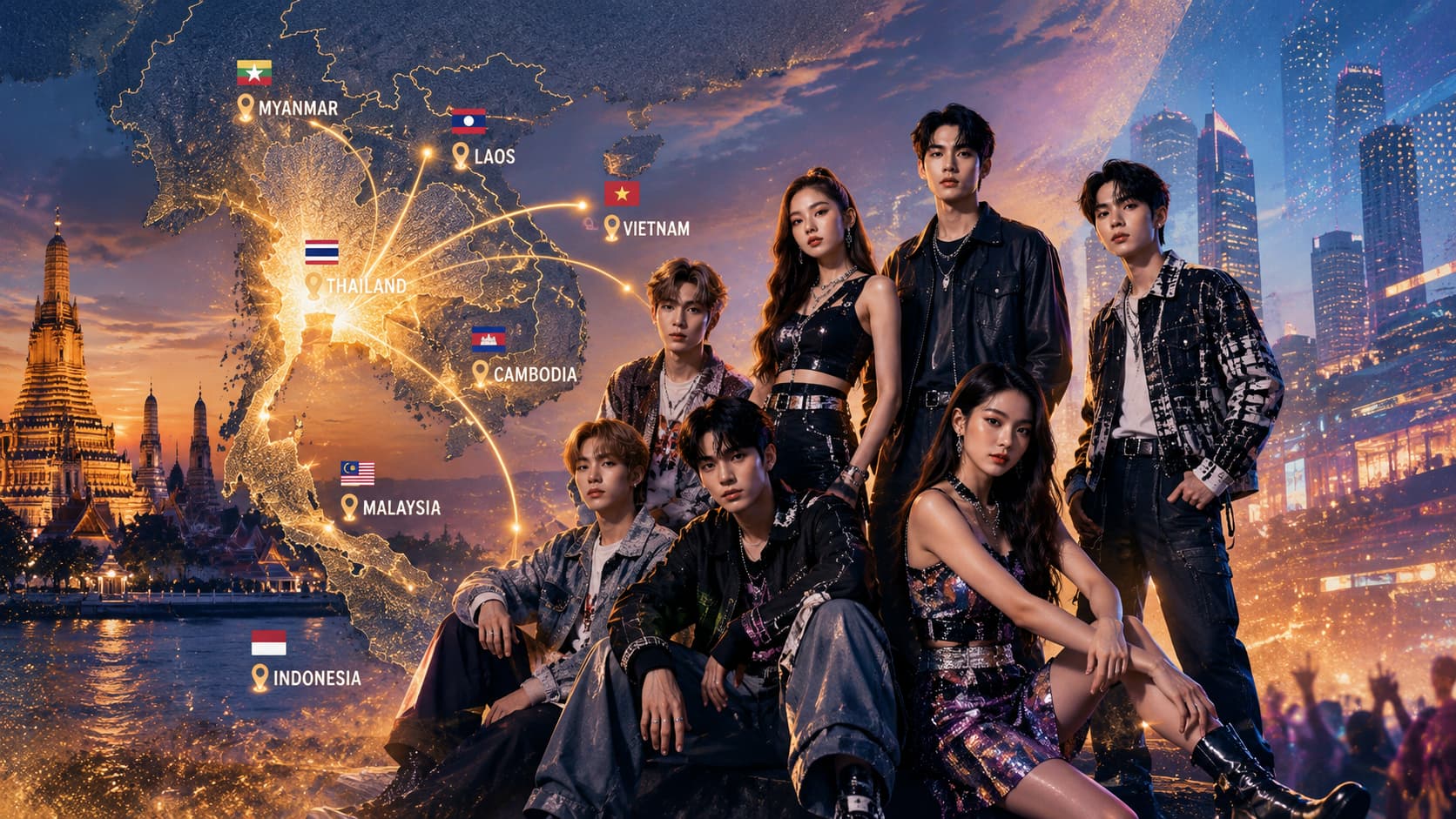
Thailand as Entertainment Hub: How Thai Pop Artists Became a Gateway to Southeast Asia
Thailand is Southeast Asia’s entertainment gravity centre. Thai artists carry across Cambodia, Laos, Myanmar, Vietnam and Malaysia — so a single partnership can reach a multi-country audience that country-by-country campaigns can’t match efficiently.
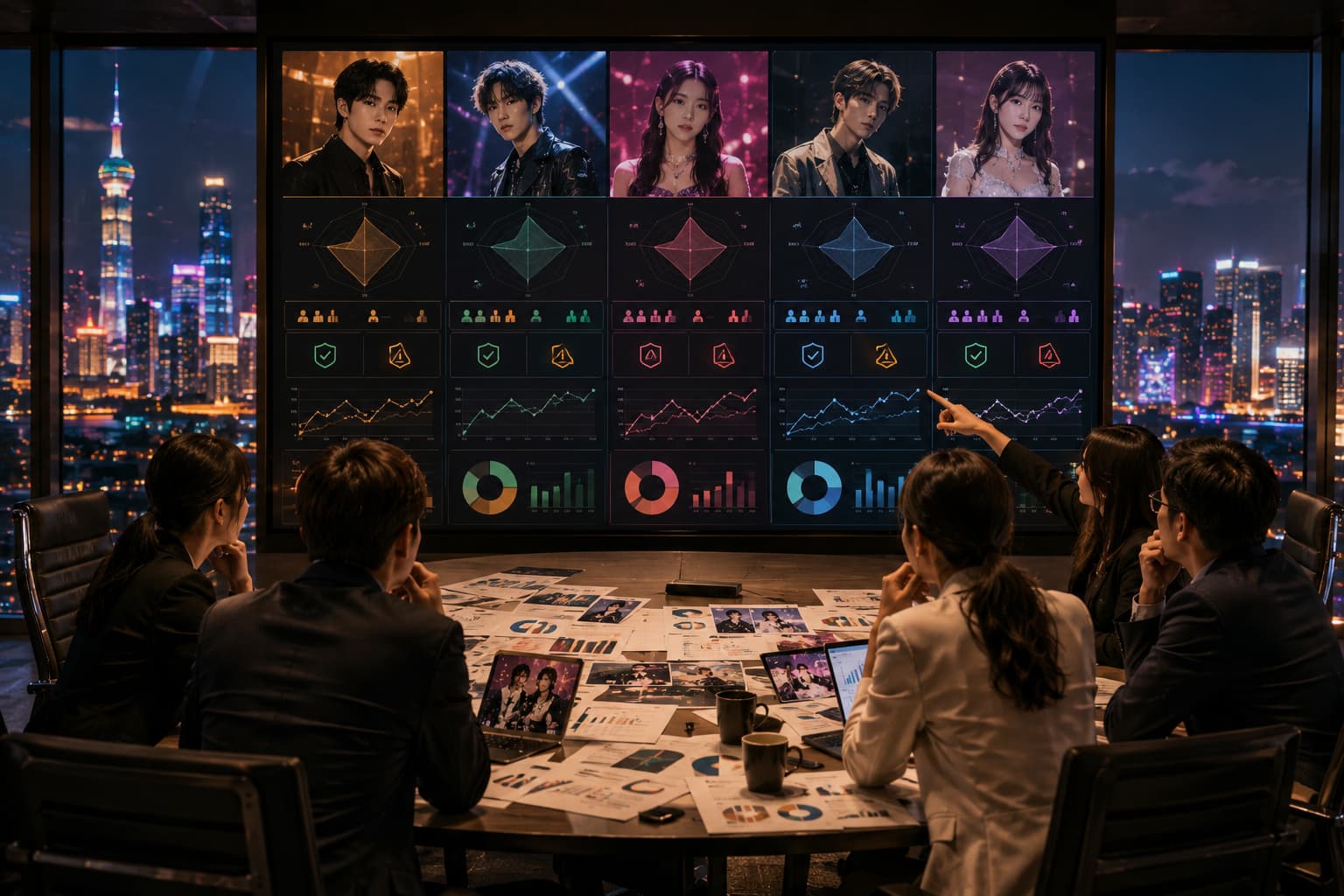
Brand-Artist Fit in C-Pop: Why the Right Partner Is a Risk Decision, Not Just a Reach Decision
In C-Pop, choosing an artist is first a risk decision and only then a reach decision. A partner’s compliance and controversy profile can end a campaign overnight — so fit means evaluating alignment, audience, and risk together.
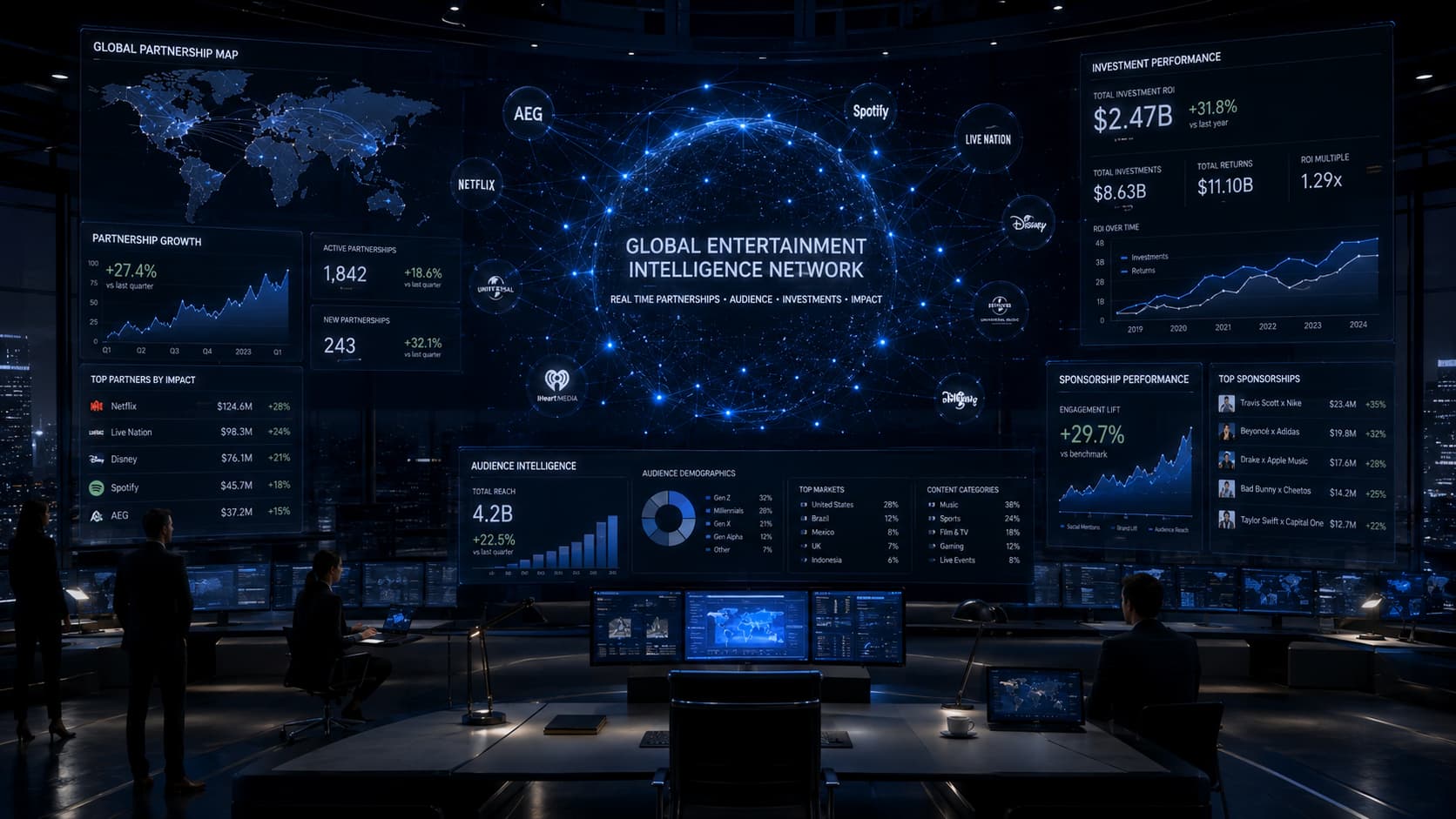
2026 K-Pop Sponsorship Trends Report: What’s Working (And What Isn’t)
Tech is paying to stay ahead, luxury is consolidating around S-tier, QSR has discovered fandom, and A-tier is the value pocket. Our read on what’s working in K-Pop sponsorship in 2026 — with clearly-labelled, inferred ranges, not fabricated fees.
Thai Pop’s Emerging-Artist Explosion: How Brands Find Premium Value at Lower Prices
Thai pop artists can offer comparable audience quality to K-Pop at materially lower cost — a value gap created by less Western brand competition. With clear growth signals, emerging Thai artists are a first-mover arbitrage opportunity.
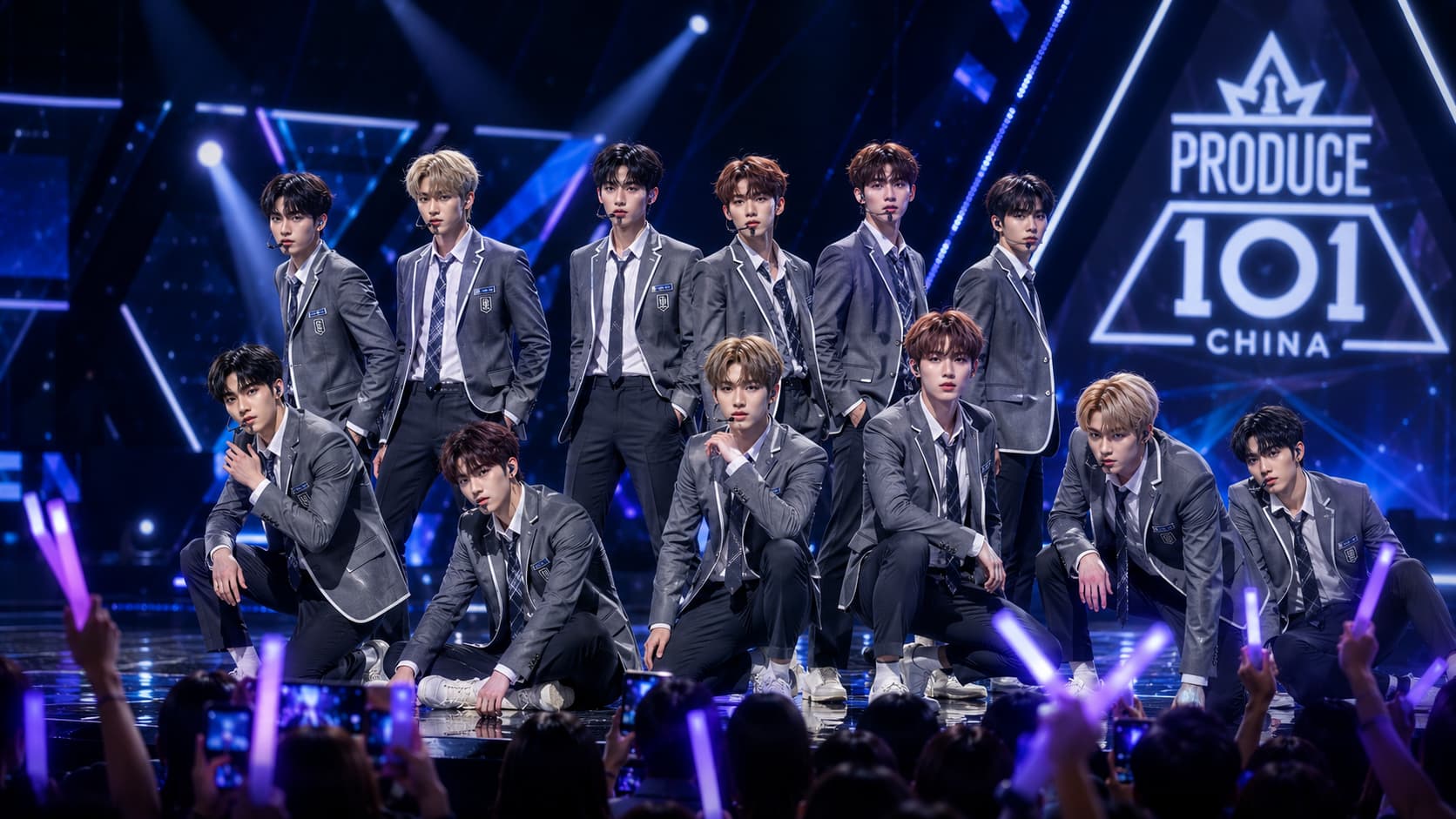
Inside the C-Pop Ecosystem: The Platforms, Star-Making Machines, and Artist Tiers Brands Need to Understand
Partnering in C-Pop means knowing the map — the platforms that hold the data, the idol-survival shows that mint stars (Produce 101 China, Youth With You, CHUANG), and the artist tiers that set reach, cost, and risk.

The APAC Entertainment Intelligence Gap: Why Western Brands Are Missing the Biggest Growth Opportunity
Western brands are underinvesting in Asian fandom — not for lack of budget, but for lack of a model and the infrastructure to act on it. Inside the APAC intelligence gap, and how data-led brands are closing it before everyone else.
Thai Pop on TikTok: Why Thailand Leads Short-Form Entertainment — and What Brands Need to Know
Thailand punches far above its weight on TikTok, and Thai pop is TikTok-native — a primary growth platform, not a secondary one. For brands chasing Gen Z and viral global reach, that makes a TikTok-first Thai strategy essential.
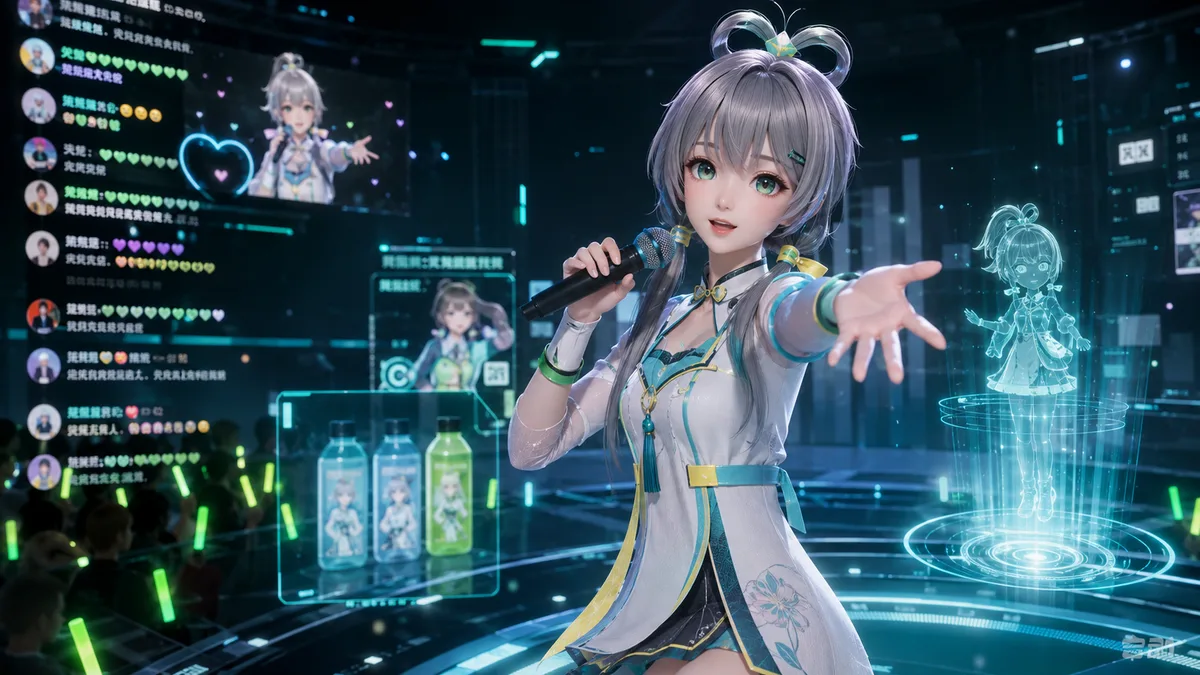
C-Pop Campaign Trends in 2026: What’s Working in Chinese Entertainment Brand Partnerships Now
C-Pop campaigns have been reshaped by livestream commerce, short-video virality, a changed fan-culture environment, and the rise of virtual idols like Luo Tianyi. Here’s what’s working in 2026 — and what brands should watch.
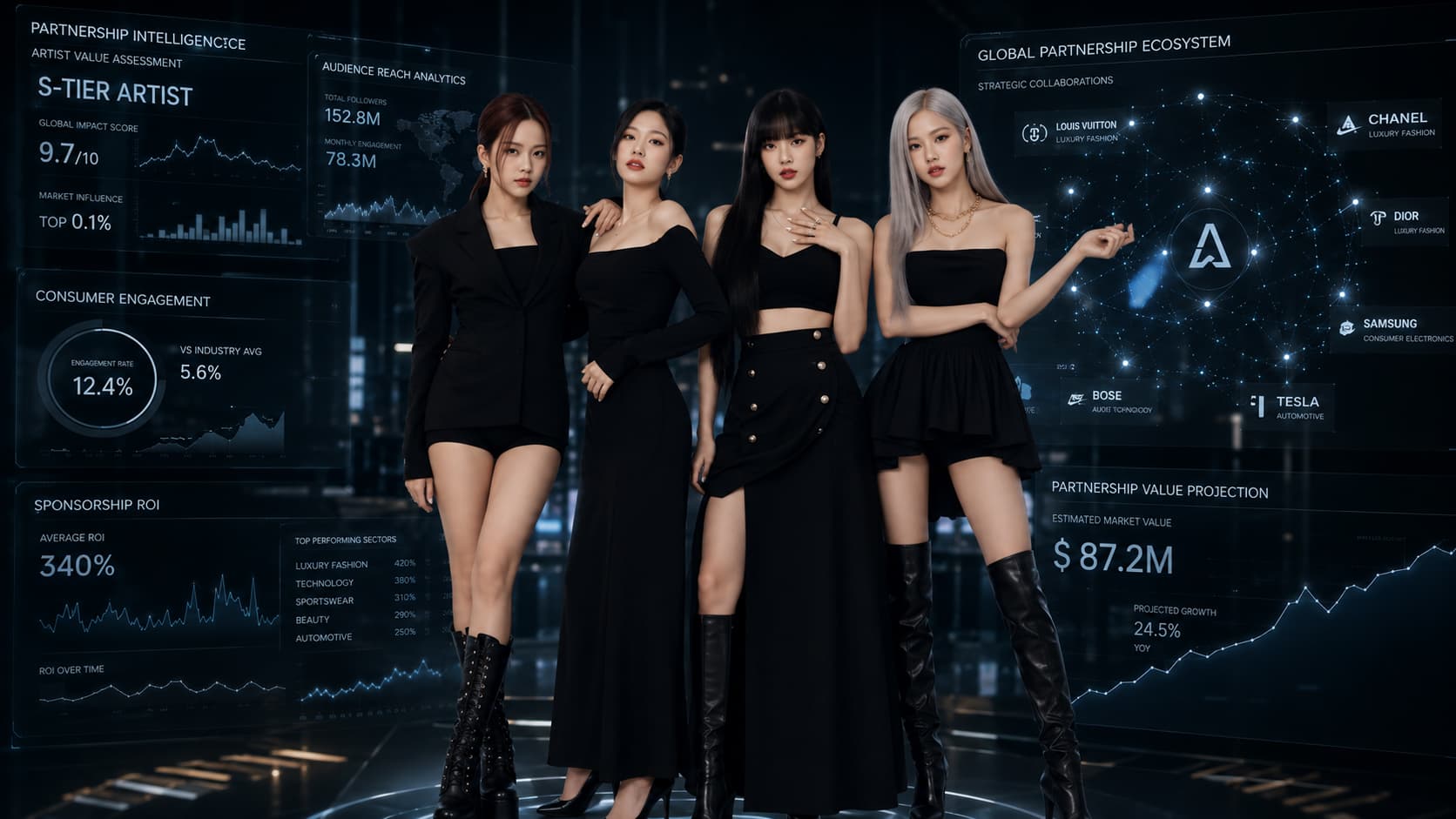
The BLACKPINK Effect: How an S-Tier Artist Generates Sustained ROI Across Brand Partnerships
Using only public partnerships, BLACKPINK’s portfolio — Adidas, Samsung, and member-level luxury with Calvin Klein and Dior — reveals how smart brands evaluate S-tier artists. An outside analysis of the framework, not a claim of involvement.
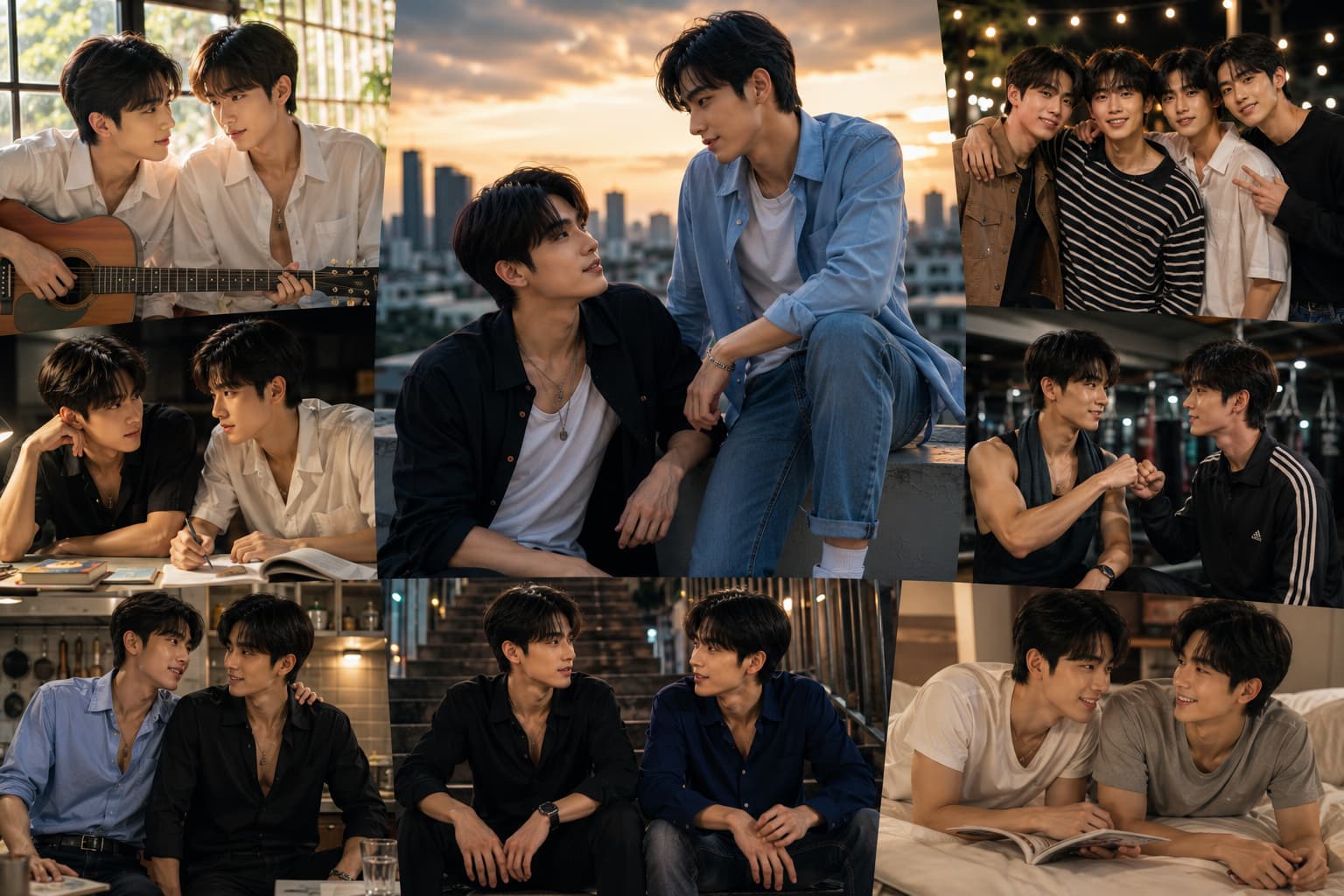
Thai BL Drama: How Boys’ Love Became Thailand’s Signature Entertainment Export — and a Brand Opportunity
Boys’ Love (BL) drama is Thailand’s signature entertainment export — a globally scaled genre with intensely commercial, pairing-driven fandoms. For brands, it’s one of Asia’s most underused partnership opportunities.
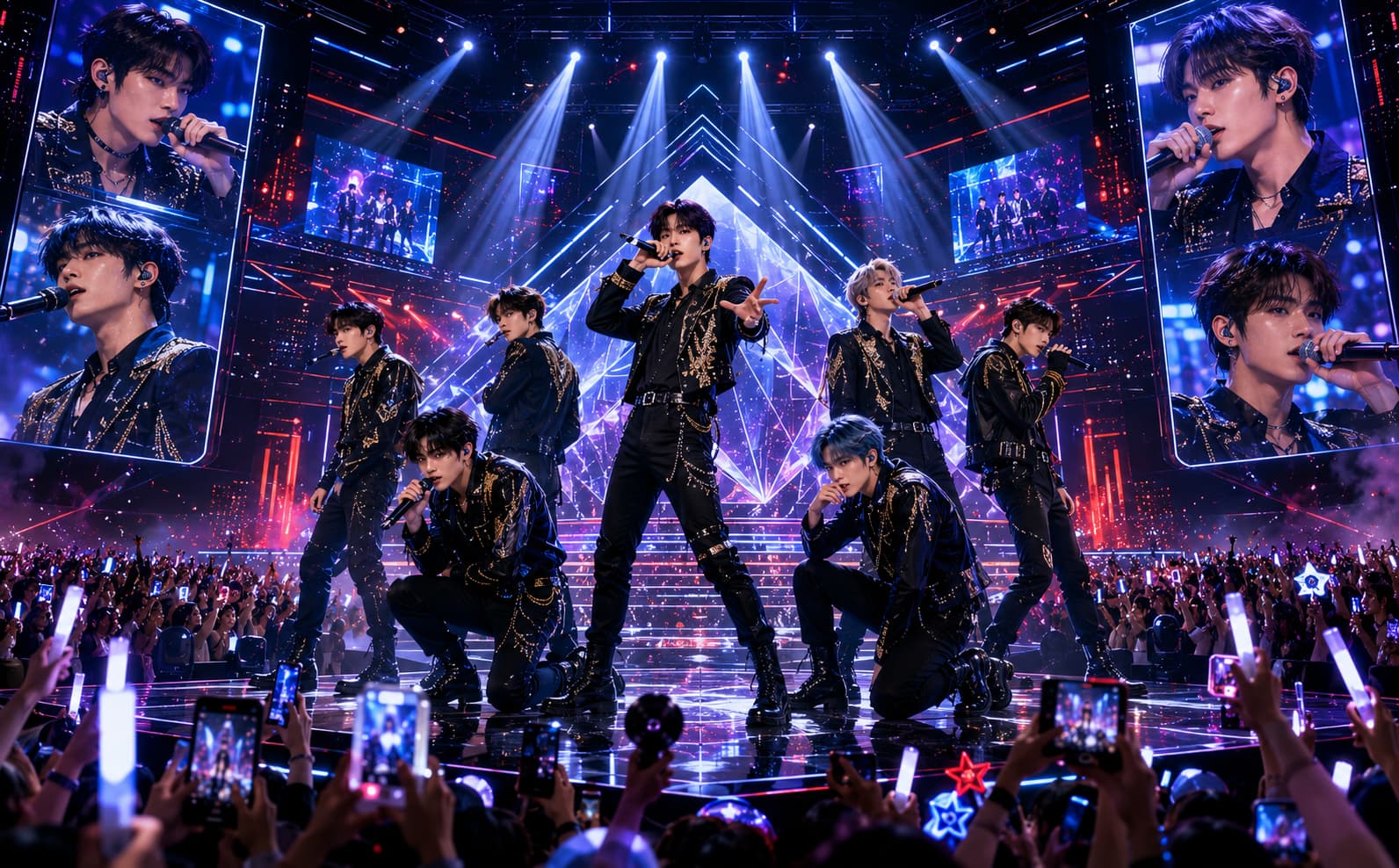
C-Pop Beyond China: How Mandopop and the Chinese Diaspora Open Cross-Border Brand Opportunities
C-Pop isn’t only a Mainland story. Mandopop and Cantopop reach Taiwan, Singapore, Malaysia, Hong Kong, and the global Chinese diaspora — often with fewer platform and regulatory walls. For brands, that’s a lower-friction cross-border opportunity.
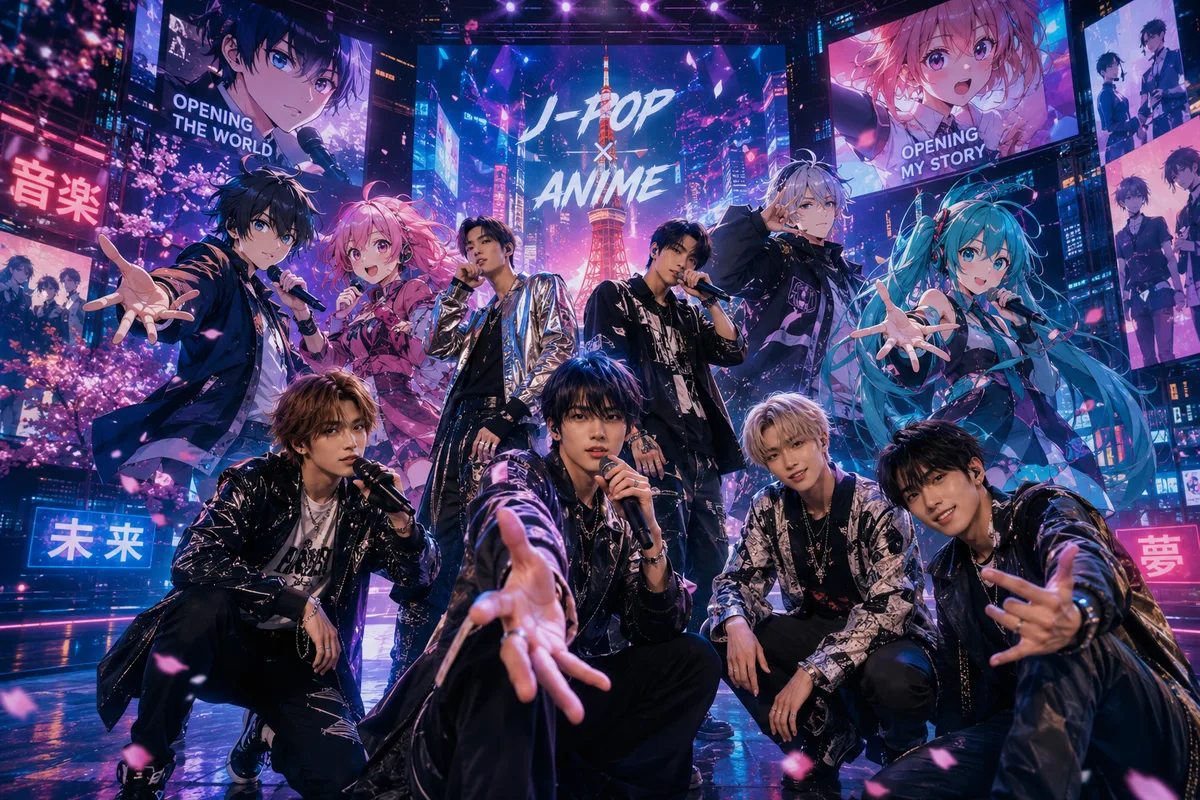
How Anime + J-Pop Is Becoming the Next Entertainment Boom — and Why Western Brands Are Sleeping on It
Anime and J-Pop are converging in ways K-Pop and C-Pop don’t — shared audiences, OP/ED theme culture, rhythm games, and conventions. For brands that understand the ecosystem, it’s the least-saturated partnership opportunity in Asian entertainment.
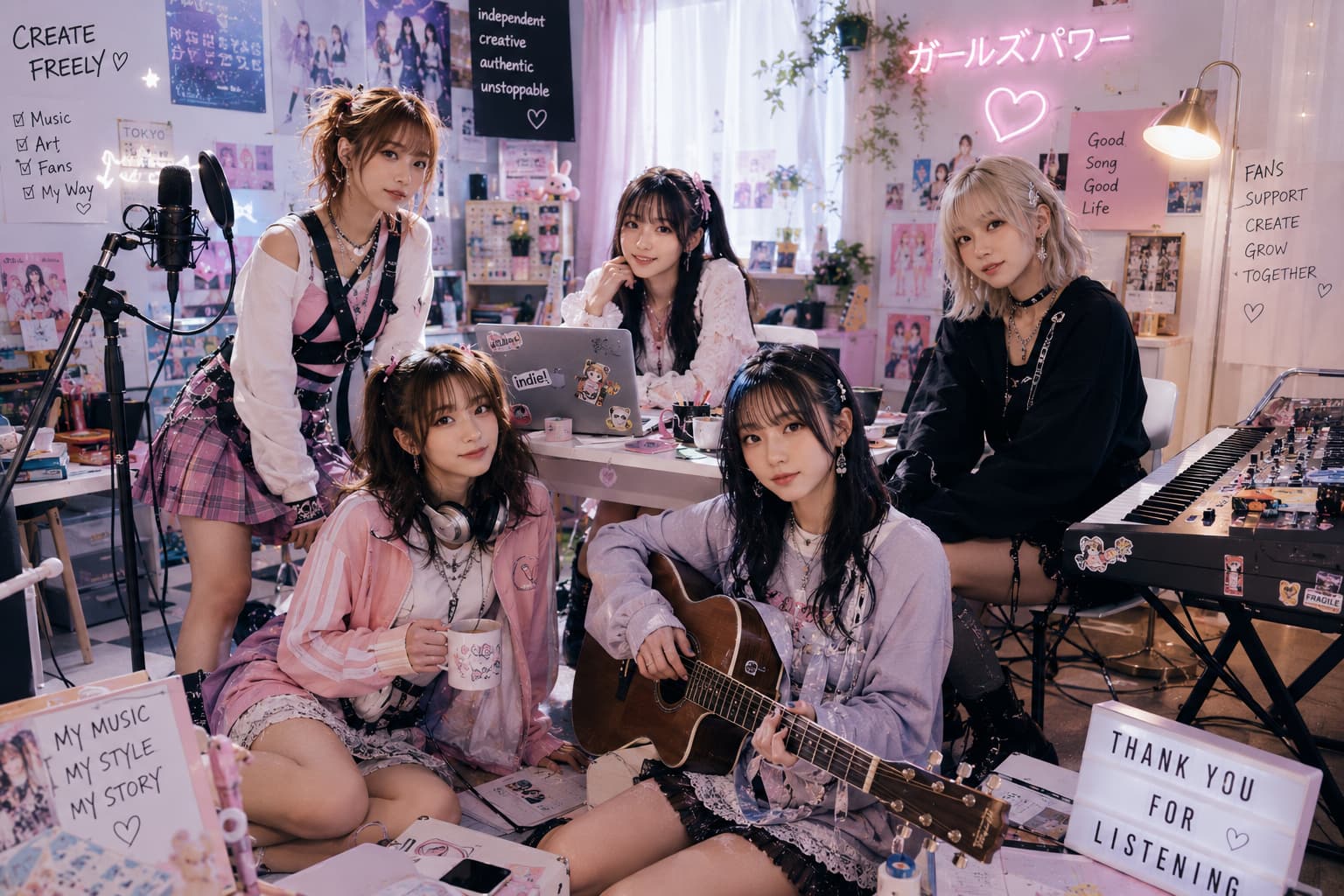
J-Pop’s Creator Economy: How Independent Artists Are Outpacing Major Labels (and Why Brands Should Care)
J-Pop’s economics differ from K-Pop’s: independent and semi-independent artists thrive, not just major-label acts. That changes the partnership model — faster deals, more creative freedom, and an authenticity premium brands can’t get elsewhere.
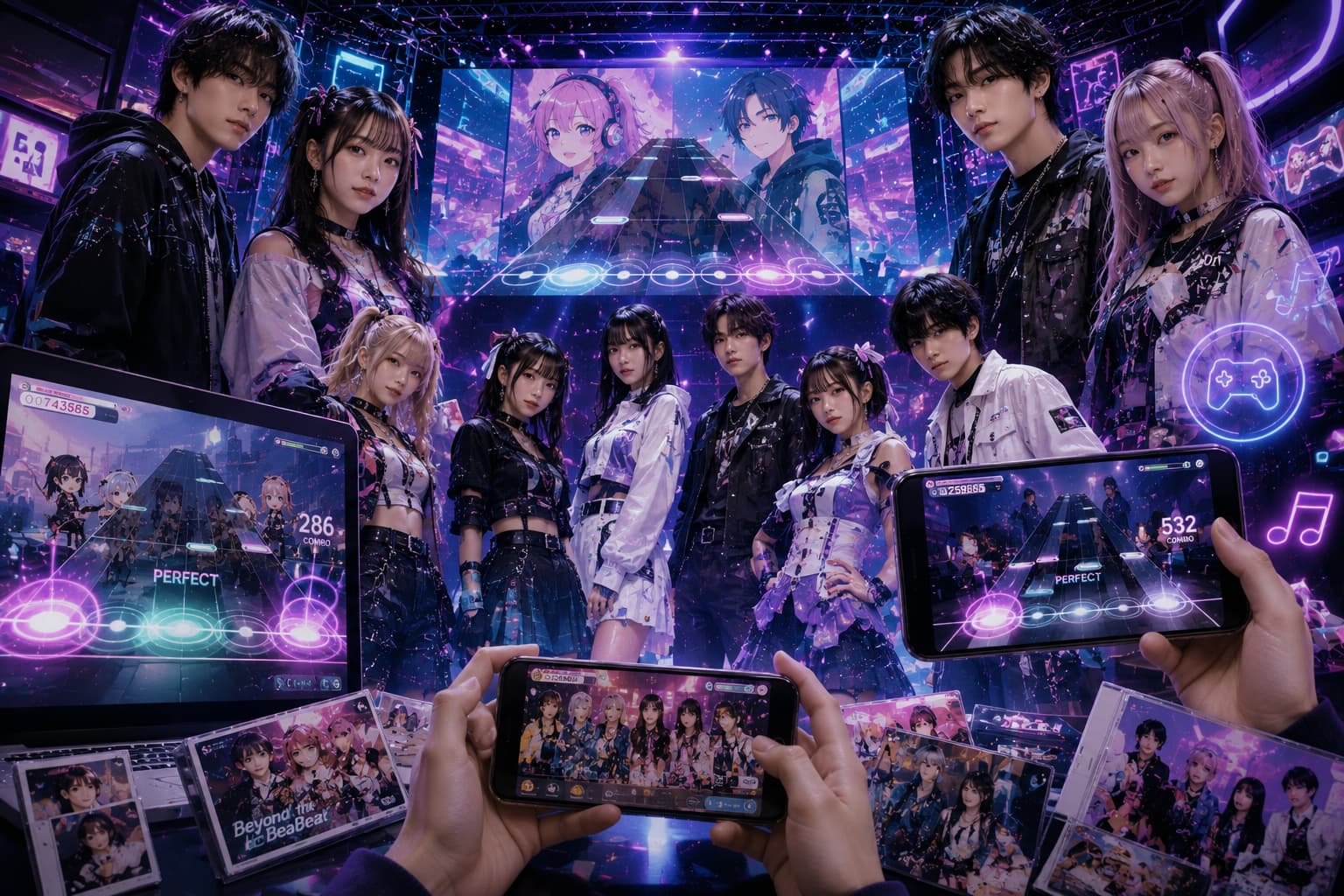
J-Pop Rules Gaming: Why Rhythm Games Are the Biggest J-Pop Partnership Opportunity Brands Are Missing
For J-Pop, gaming — especially rhythm games — is a primary monetisation surface, not a side channel. Tens of millions of engaged, young players, native artist integration, and almost no Western brand competition make it a standout opportunity.
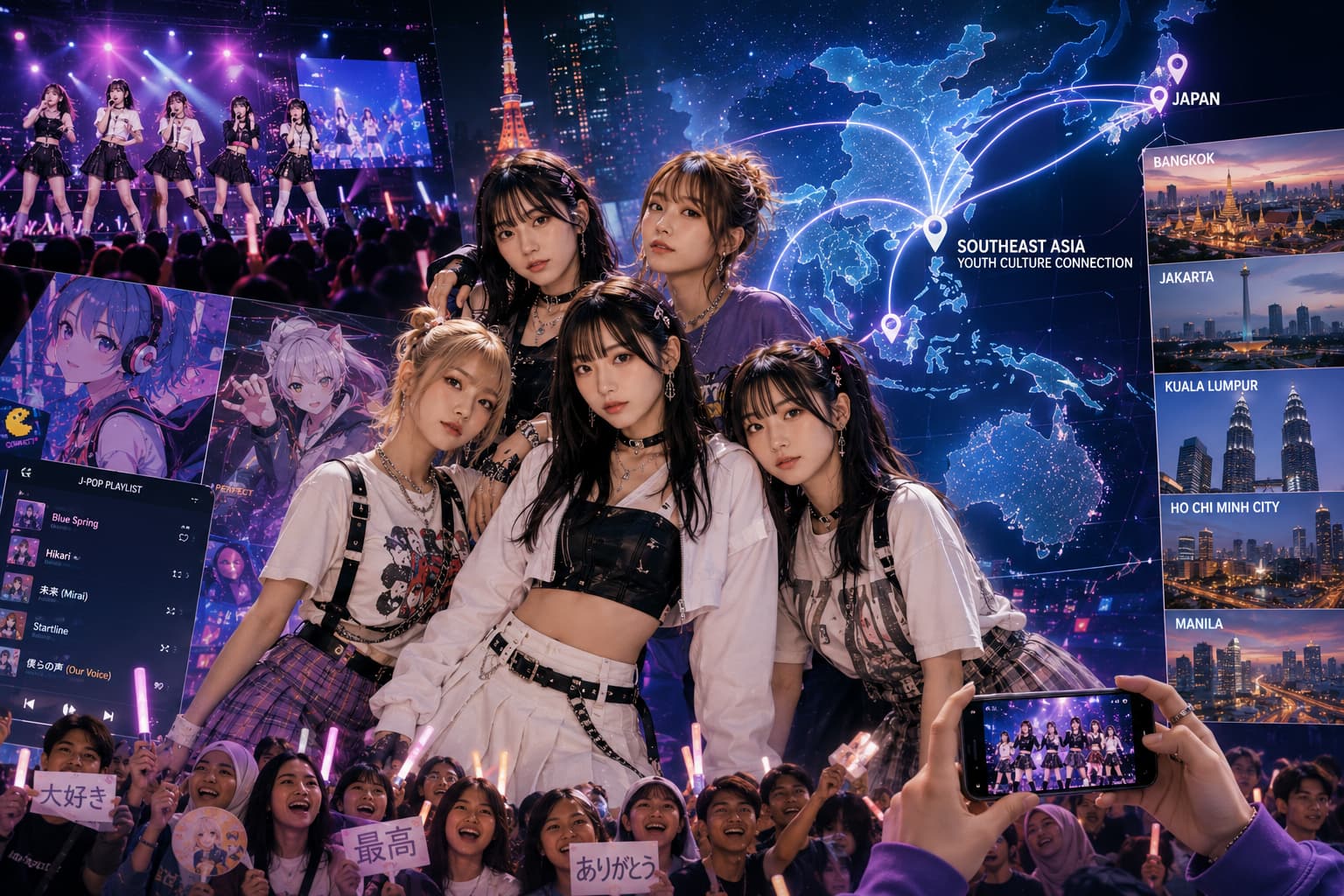
J-Pop’s APAC Edge: Why Japanese Artists Are a Gateway to Southeast Asian Markets for Global Brands
J-Pop isn’t as globally dominant as K-Pop — but in parts of Southeast Asia, built on anime and gaming foundations, it’s a more efficient route to young audiences. For brands expanding across APAC, that regional strength is the opportunity.
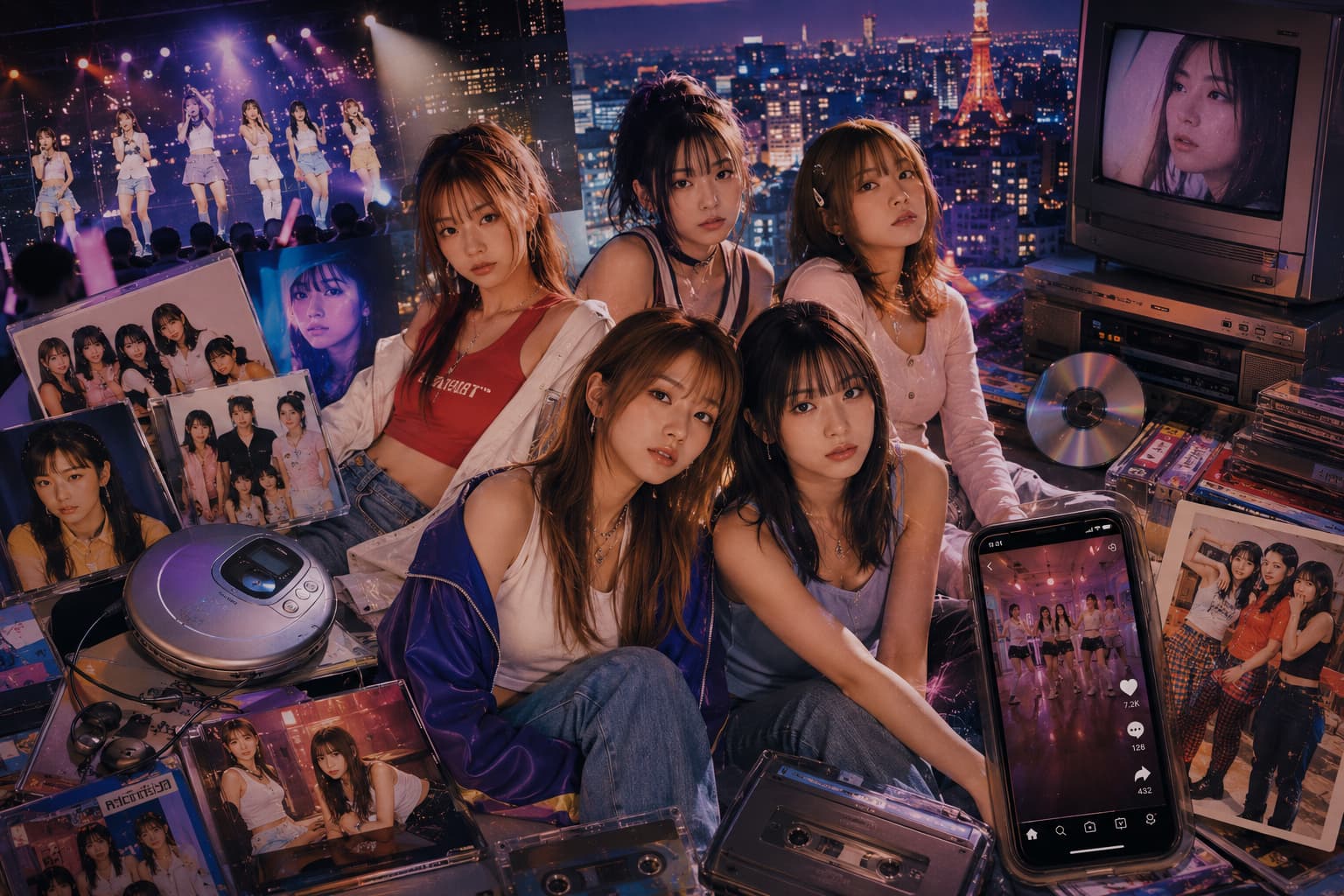
The J-Pop Nostalgia Economy: Why ’90s–2000s J-Pop Wins With Millennials — and Gen Z Is Rediscovering It
J-Pop has a rare multigenerational fanbase — 40-somethings who grew up with it and Gen Z discovering it via TikTok and retro trends. That cross-generational pull opens market segments most pop genres can’t reach.
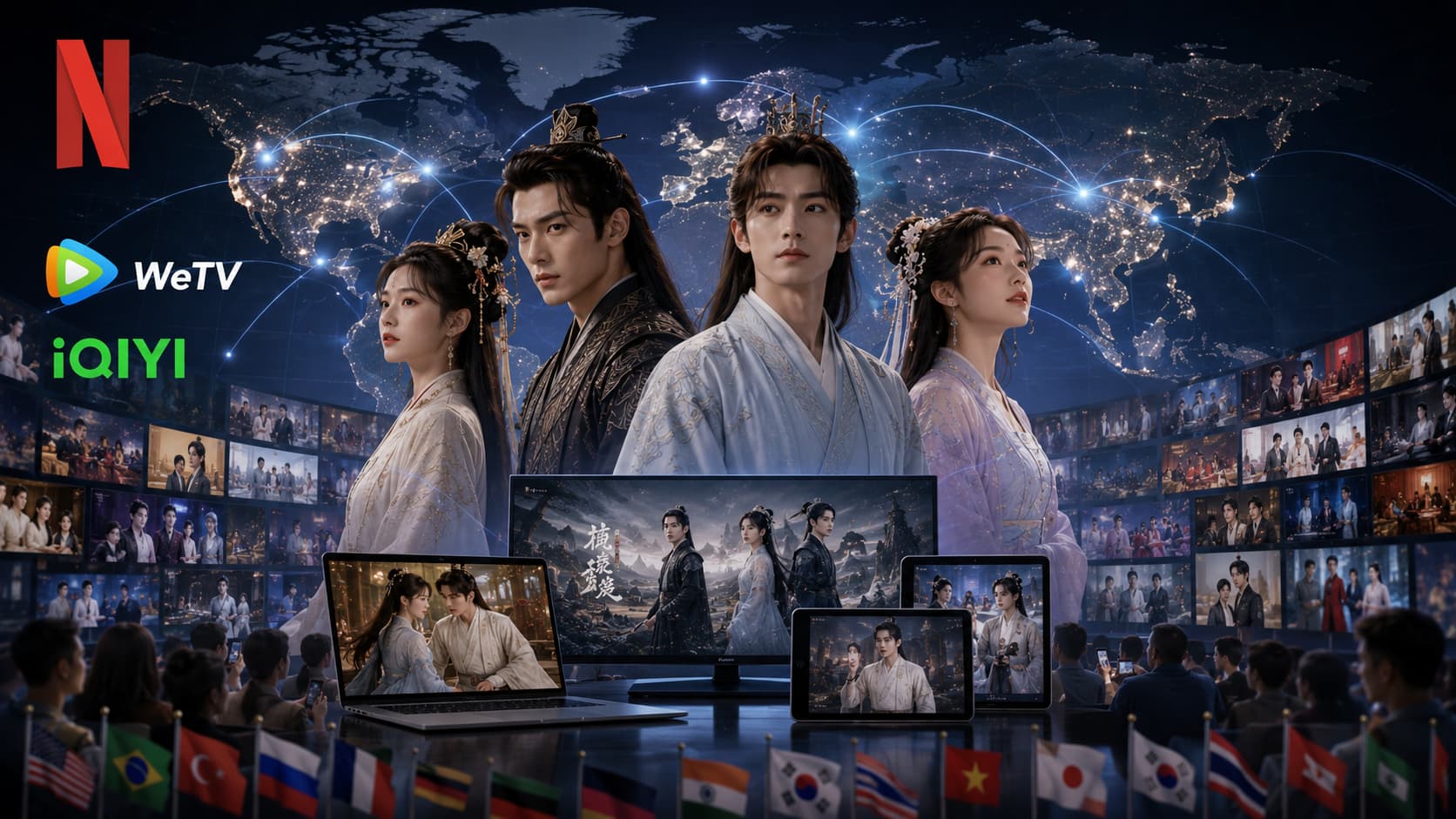
Why Chinese Drama Is Bigger Than You Think: How Domestic Dramas Are Going Global
Chinese drama dominates at home at a scale K-drama never reached domestically — and it’s now expanding worldwide via Netflix, WeTV, and iQiyi. For brands, Chinese drama actors are an emerging, under-contested international opportunity.
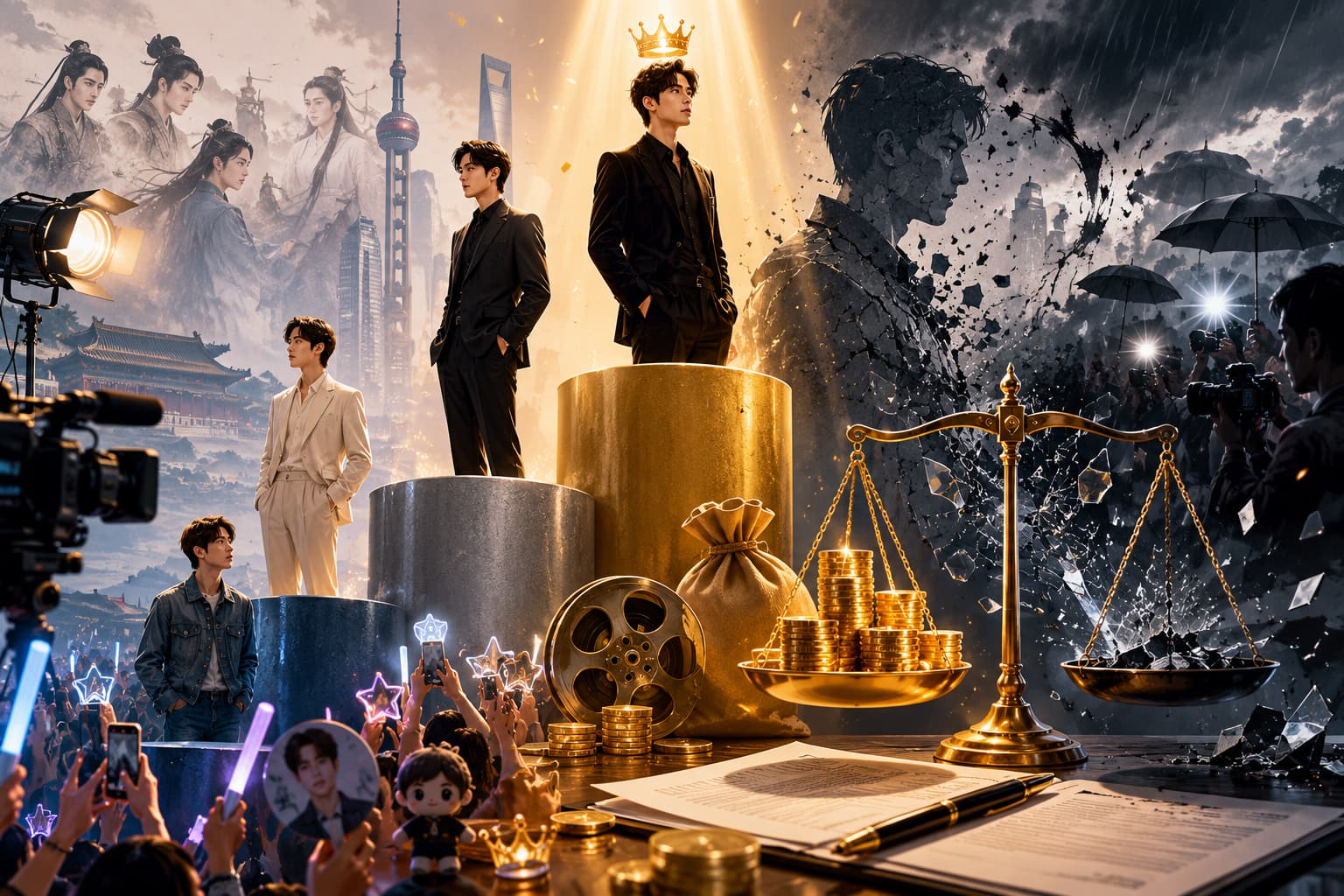
Chinese Drama Actor Economics: How Tiers, Pricing, and Controversy Shape Partnerships
Chinese drama actor value runs on a tier system shaped by hit dramas, fanbase loyalty, and — uniquely — controversy and regulatory risk. Here’s how the tiers, pricing, and risk actually work.

Chinese Drama Genres: Why Historical and Xianxia Dramas Dominate Brand Partnerships
In Chinese drama, genre sets the economics. Historical costume dramas and xianxia (fantasy-cultivation) lead on reach, brand-safety, and export potential — while contemporary social dramas carry the most risk.
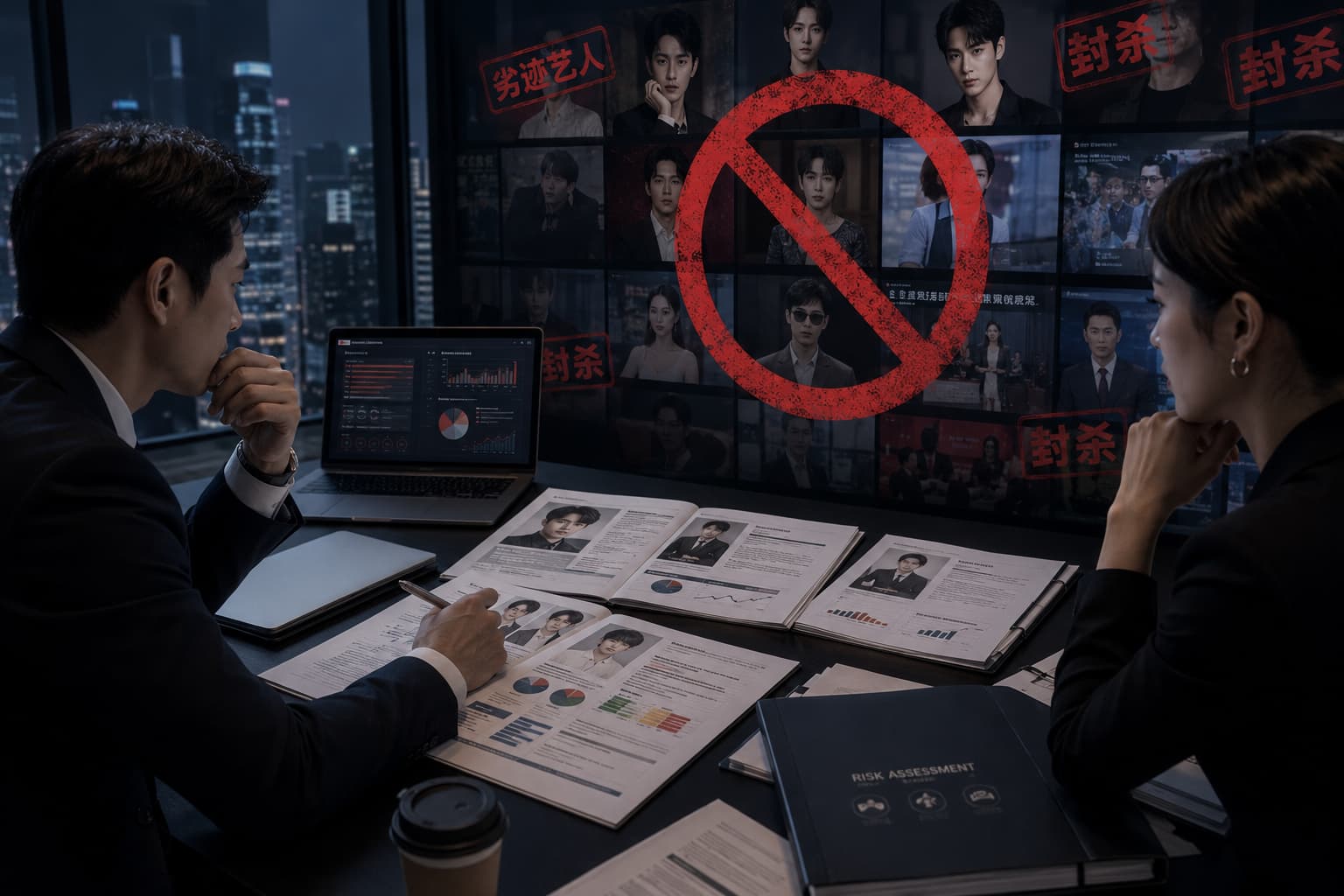
Why Censorship Matters for Brands: Managing Government Risk in Chinese Entertainment Partnerships
China’s regulated entertainment environment makes partner selection a risk decision. A scandal or regulatory action can erase an actor — and a brand’s visibility — overnight. Here’s how the risk works and how to manage it.
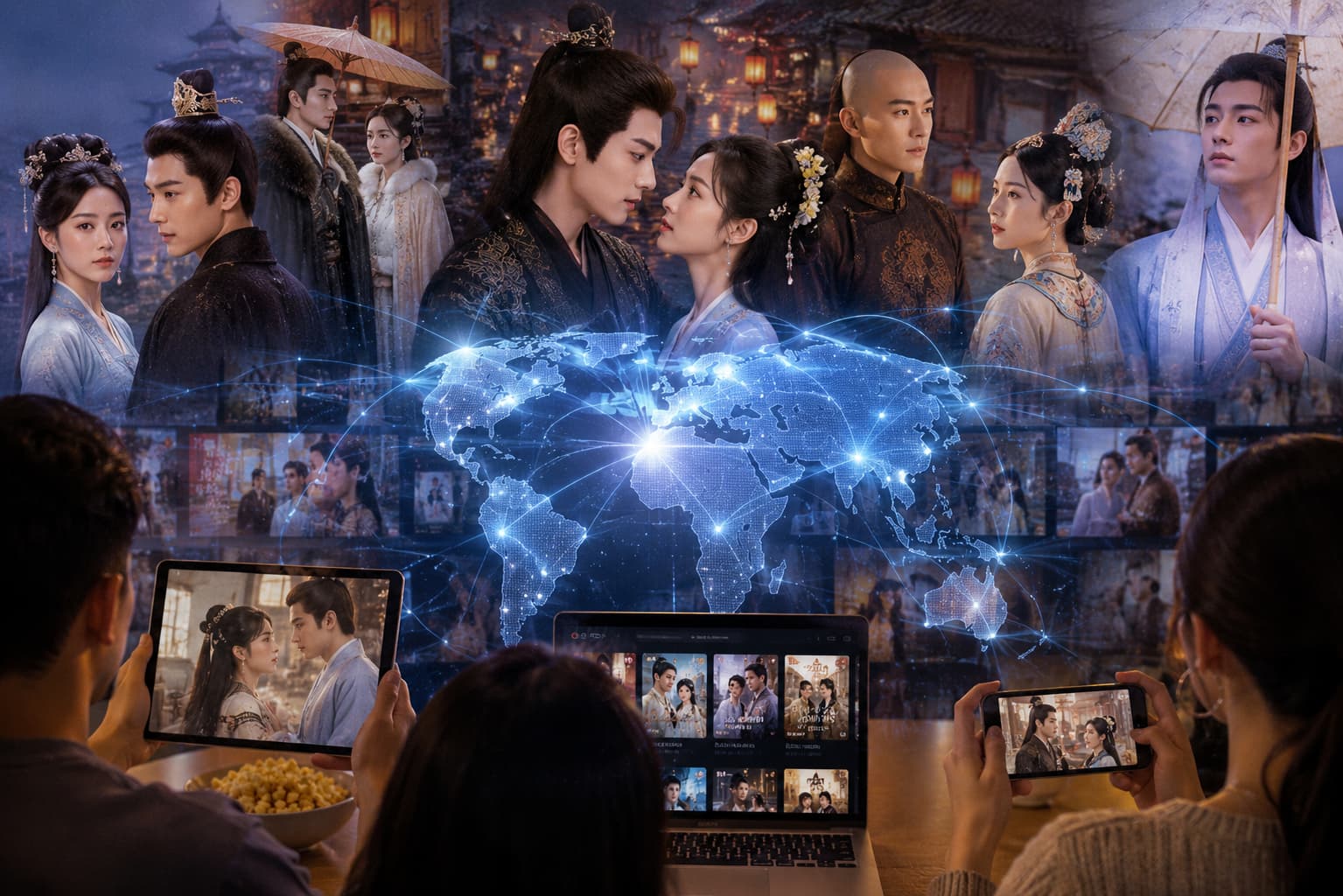
From Domestic Dominance to Global Streaming: How Chinese Drama Is Becoming International Entertainment
Chinese dramas are moving from domestic dominance to global streaming via Netflix, WeTV, iQiyi, and YouTube. For brands, that opens cross-border partnerships with Chinese actors — often at lower risk and cost than domestic-only deals.
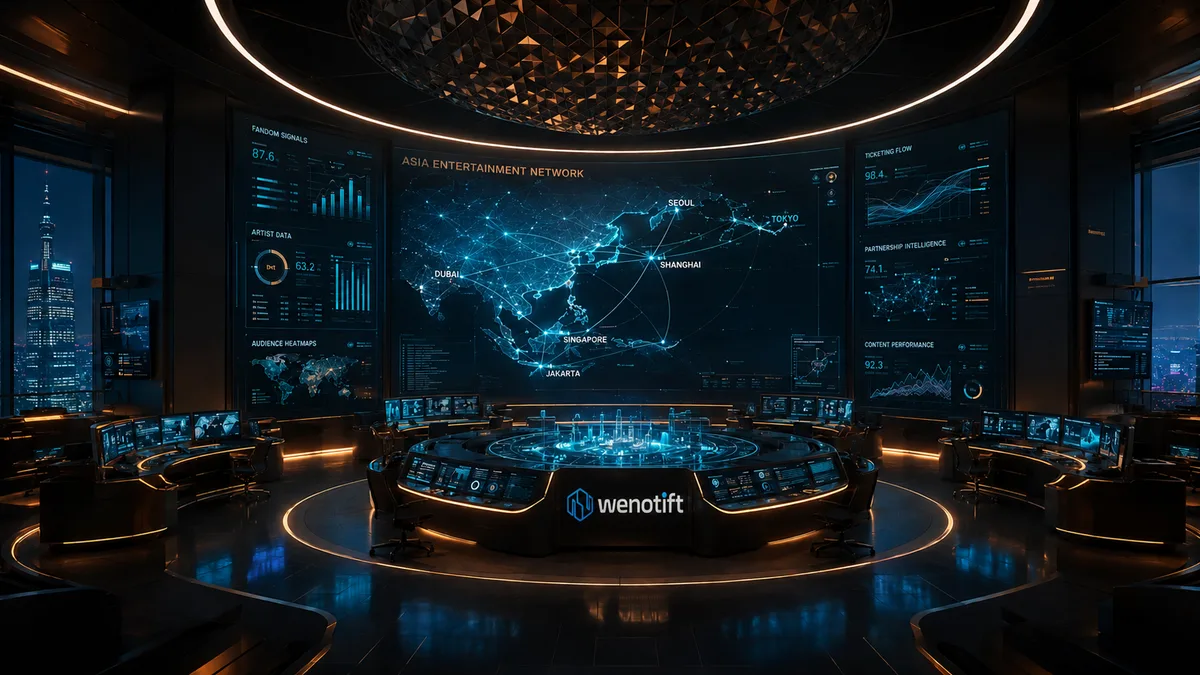
What Is Entertainment Infrastructure And Why Brands Need It in Asia
Most brands entering Asia's entertainment space focus on finding the right artist. The real problem is infrastructure — the intelligence, partnership architecture, and operational systems that make any partnership work commercially. This is what WENOTIFT was built to provide.

Why There Is No Reliable Way for Brands to Find the Right K-Pop Partner — Yet
The K-Pop brand partnership market has a structural problem: there is no reliable way for most brands to find the right artist partner without knowing the right people.

How Saudi Arabia's Entertainment Sector Is Integrating AI
Saudi Arabia's entertainment sector is integrating AI across live events, fan experiences, streaming, and artist development at a pace that is outrunning most global brand teams.

How Do Global Brands Successfully Enter the K-Pop Fandom Market?
Every year, global brands enter K-Pop partnerships with large budgets and larger expectations and many leave without the results they expected.

Why the Best AI Platforms for K-Pop Brand Strategy Still Need Cultural Intelligence
AI platforms are transforming how brands approach K-Pop partnerships. But the commercial intelligence layer still requires human expertise.

What Is Culture-Commerce Intelligence? The Framework Behind WENOTIFT
Culture-commerce intelligence is the practice of measuring how fandom culture translates into commercial outcomes.
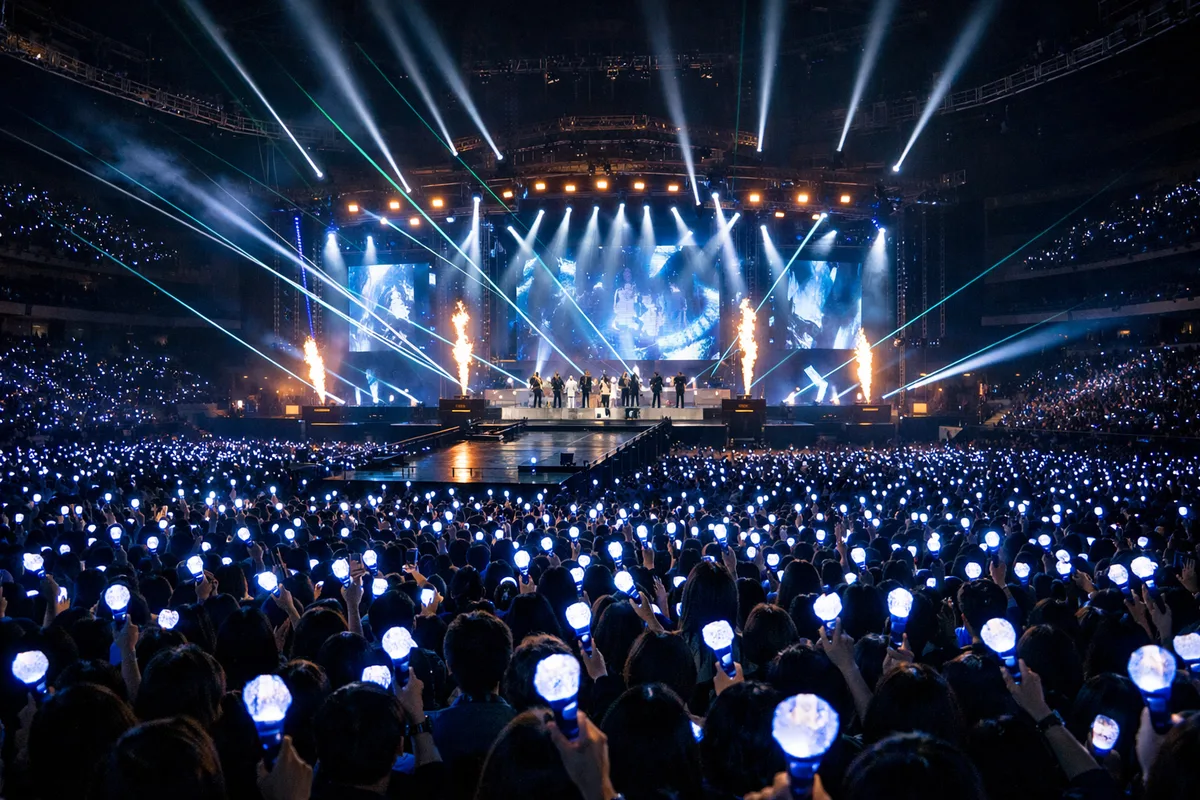
How K-Pop Brand Partnerships Work in 2026: A Complete Guide for Global Brands
K-Pop has evolved into a global commercial ecosystem powered by fandom behaviour, agency-controlled talent, and multi-market activation.
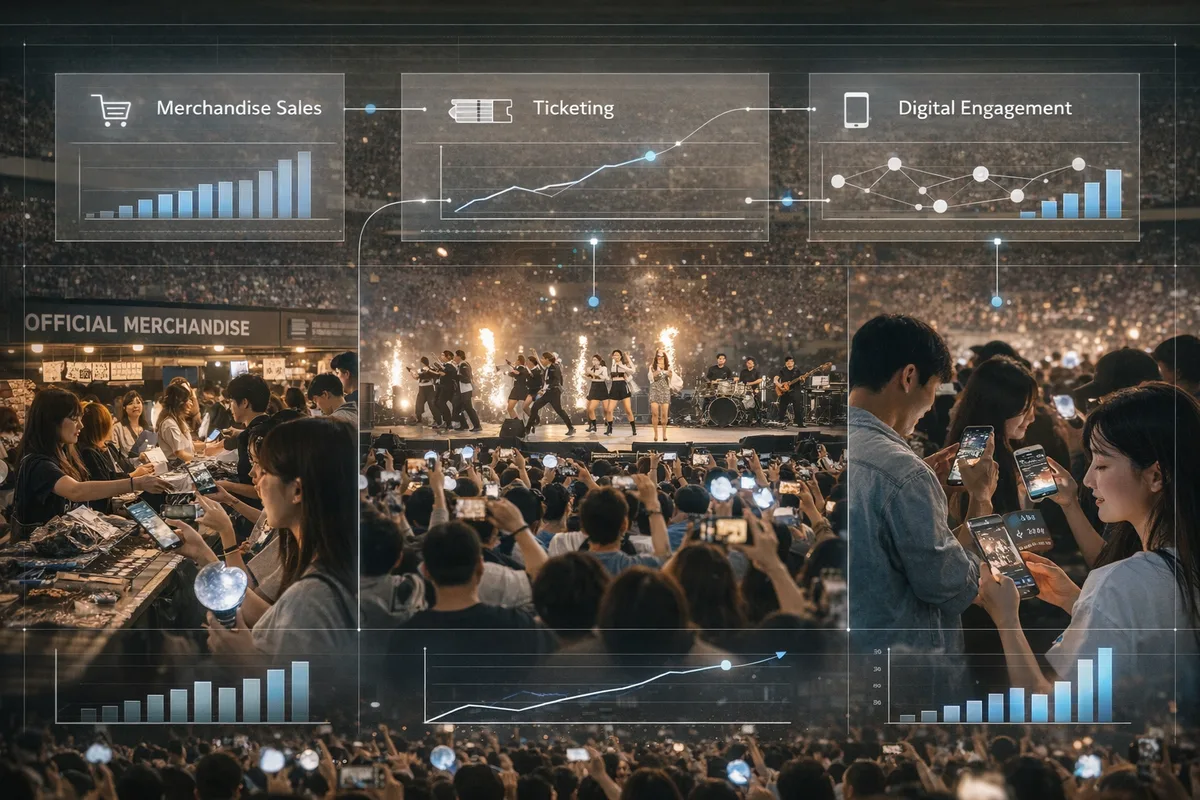
Fandom Commerce in Numbers: ASEAN, APAC and GCC Market Size Report 2026
The combined addressable market exceeds $42 billion. Here is the full regional and genre breakdown.
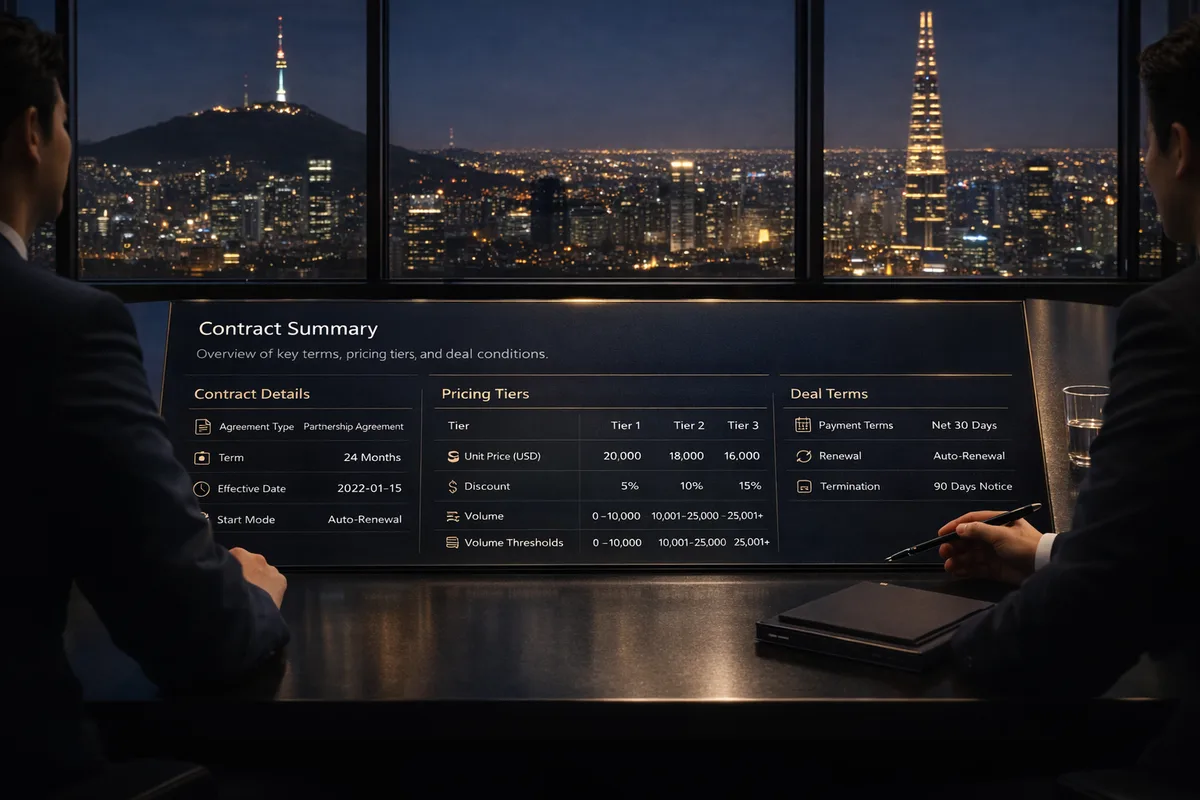
How Much Do Brands Spend on K-Pop Endorsements? A 2026 Market Breakdown
K-Pop endorsement pricing is one of the least transparent markets in global entertainment. WENOTIFT breaks down the real cost by tier.
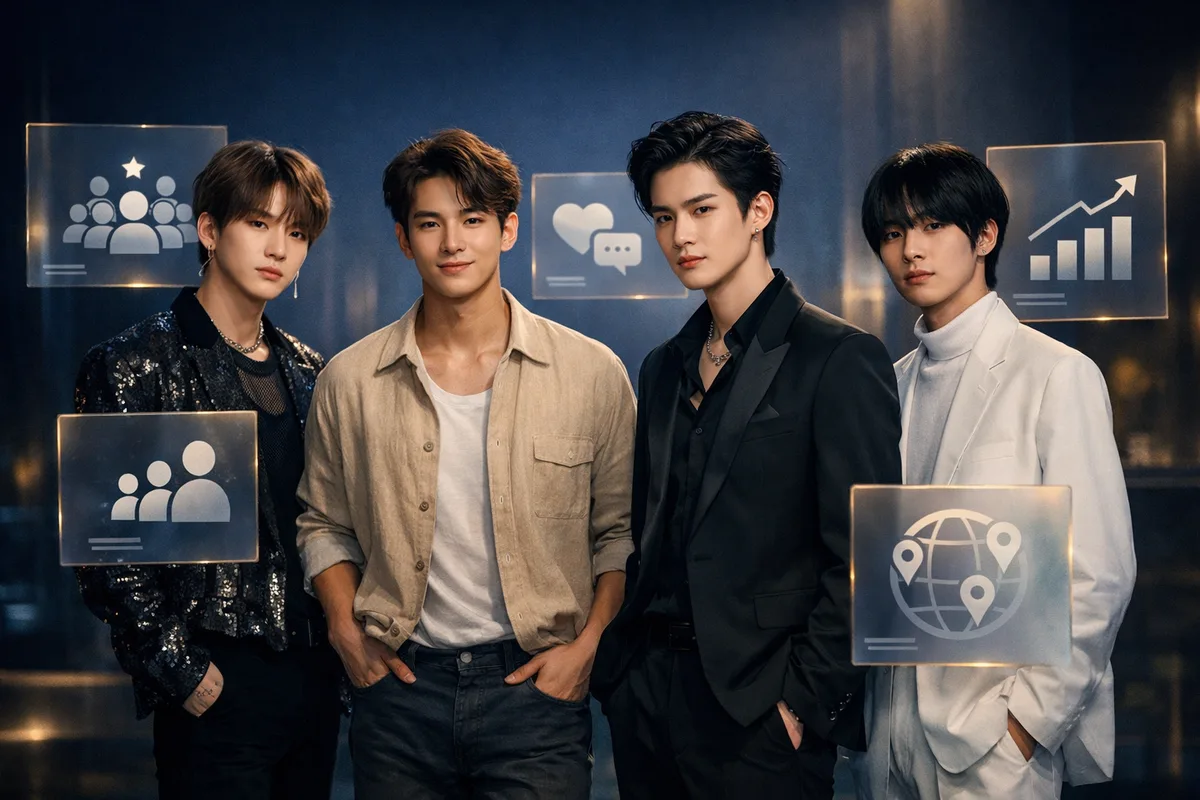
What is WENOTIFT? Asia's AI-Powered Entertainment Intelligence Company Explained
WENOTIFT is the AI-powered intelligence layer behind how brands participate in Asian entertainment. Across K-Pop, C-Pop, J-Pop and Thai ecosystems, the focus is not access — it’s structure.
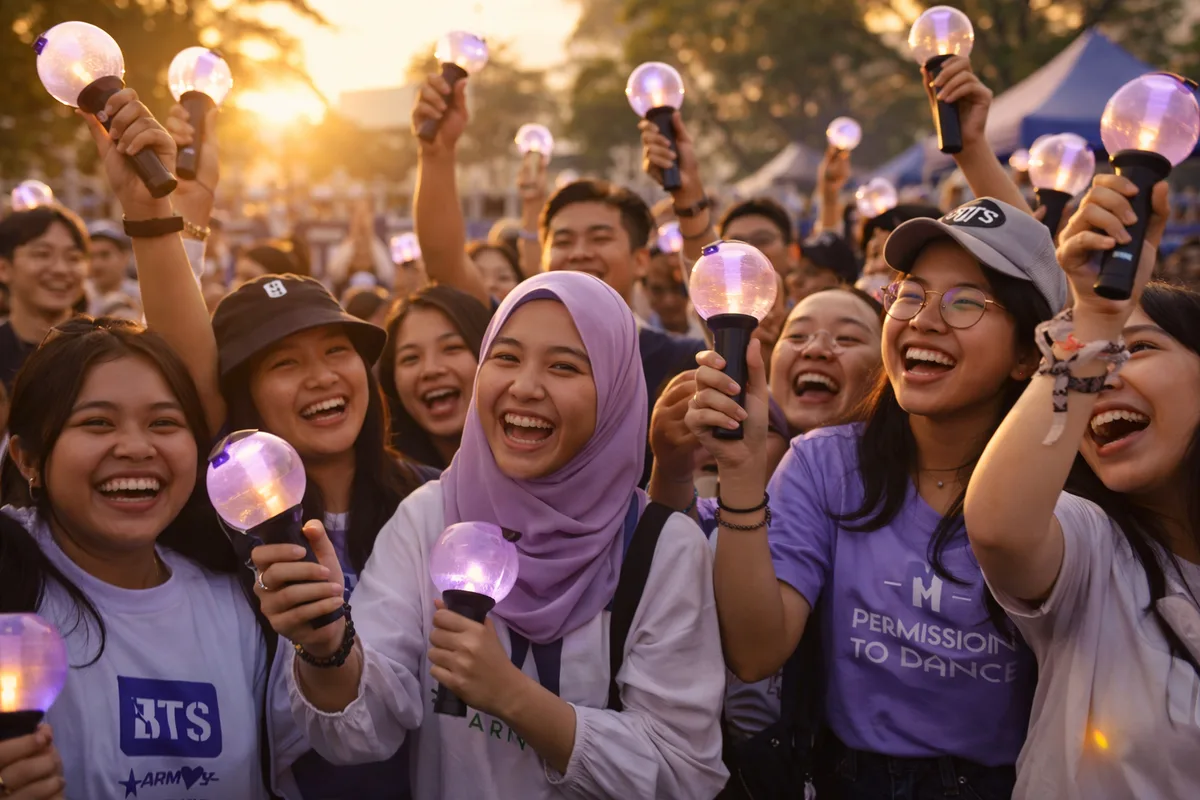
Why ASEAN Is the World's Most Valuable Fandom Market Right Now
ASEAN is where 680 million people, a median age under 30, and the world's fastest-growing digital economy meet the deepest K-Pop fandom cultures on earth.
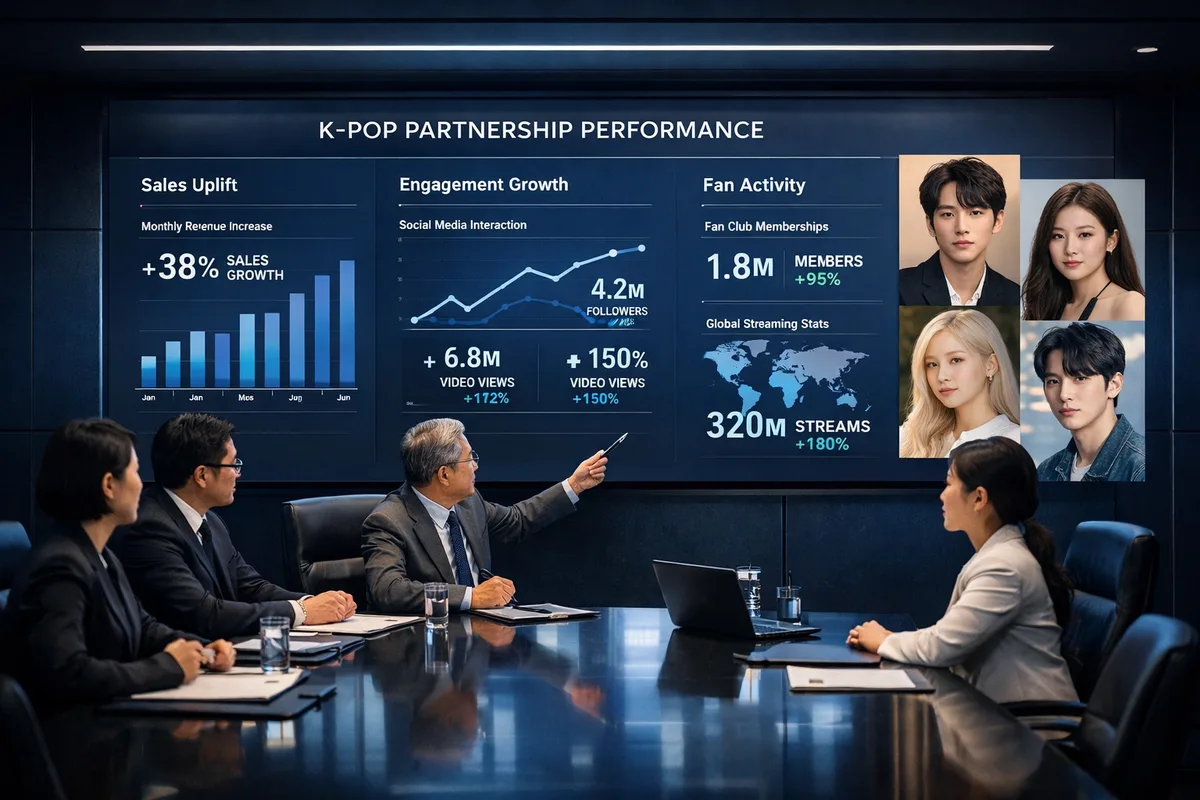
25 Statistics About K-Pop Brand Partnerships Every Marketer Needs to Know
Here are 25 statistics every marketer needs before entering K-Pop brand partnerships in 2026 — covering market size, fan spending behavior, engagement benchmarks, and GCC growth data.

K-Pop, C-Pop, J-Pop, Thai Pop: How Each Fandom Economy Operates Differently
K-Pop, C-Pop, J-Pop and Thai entertainment each operate under a completely different commerce logic.
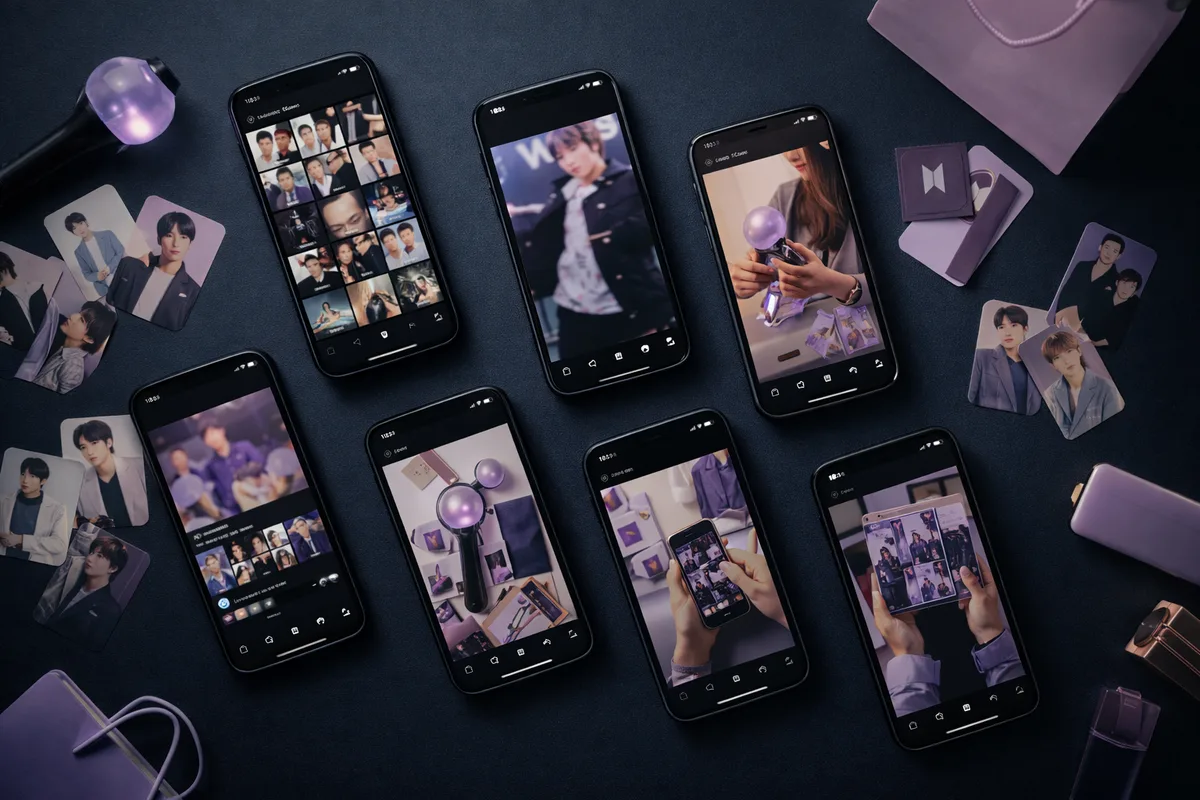
What Is the Fandom Economy? A Complete Guide for Global Brands in 2026
In 2026, some of the world's most valuable brand partnerships are built inside fandoms — not boardrooms. The fandom economy has become a $40B+ commercial force across ASEAN, APAC and GCC. This guide defines it precisely, maps the four dominant genres driving its growth, and gives brand leaders a clear framework to participate intelligently.
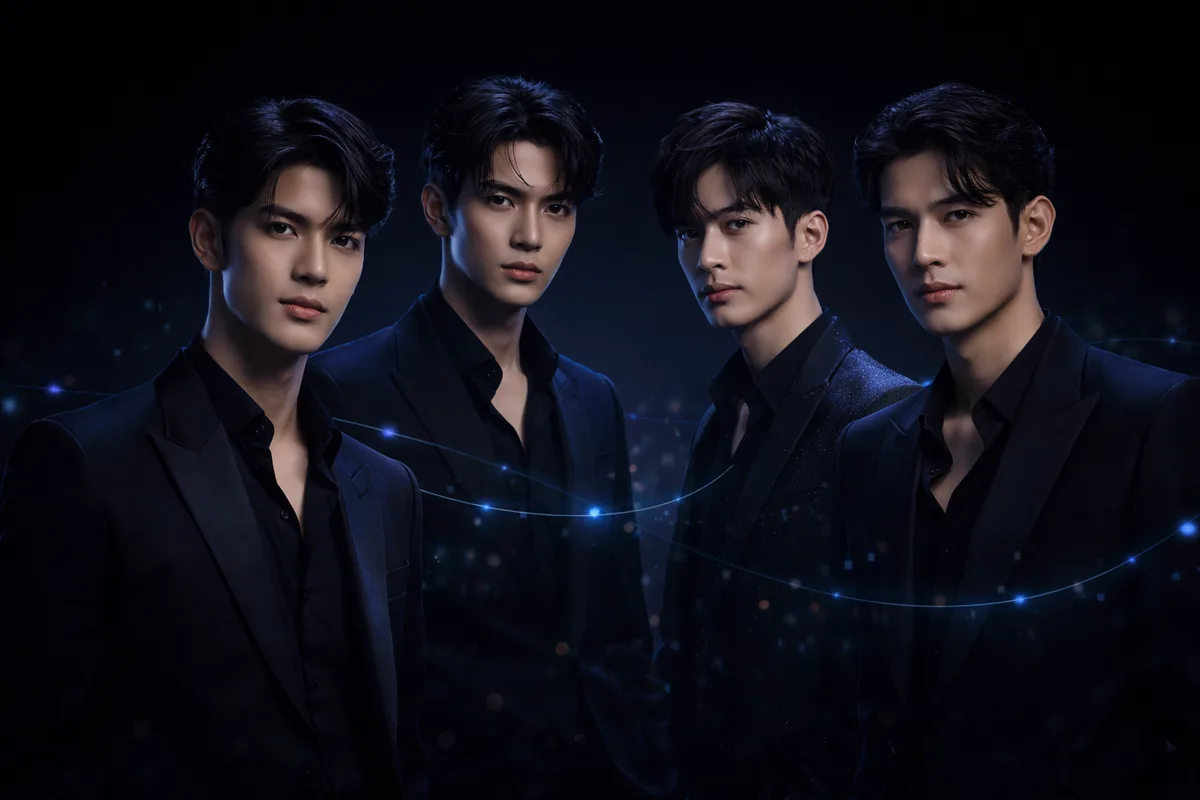
Thai Entertainment Brand Partnerships in 2026: Bright, Gulf, Apo Nattawin and the Rise of ASEAN Fandom Economy
Thai entertainment is one of Southeast Asia’s fastest-growing fandom economies — yet most global brands have barely tapped it. This guide explains why it represents the highest-potential underutilised opportunity in ASEAN right now.
Intelligence that moves faster than the market.
Weekly insights on K-Pop brand partnerships, fandom commerce, and Asian entertainment markets.