From Dior and A24’s theatre partnership to Loewe’s craft prize, brands are funding culture instead of stamping it. What the patronage shift means for brands in music, K-pop and Asian entertainment.
A quieter kind of brand partnership is spreading in 2026. Instead of putting their name at the centre of a cultural moment, brands are paying for the conditions that let culture happen: a theatre’s programme, a craft prize, a residency, a magazine, a community space. The brand stays in the credits rather than the headline.
Foresight Factory’s November 2026 trend report describes it as brands ‘moving away from putting themselves at the center of the arts and towards becoming facilitators’. This post looks at the examples behind that shift, why it is happening now, and how brands working with music, K-pop, film and fan communities in Asia can use the same idea without it reading as charity or as an ad in disguise.
The examples behind the shift
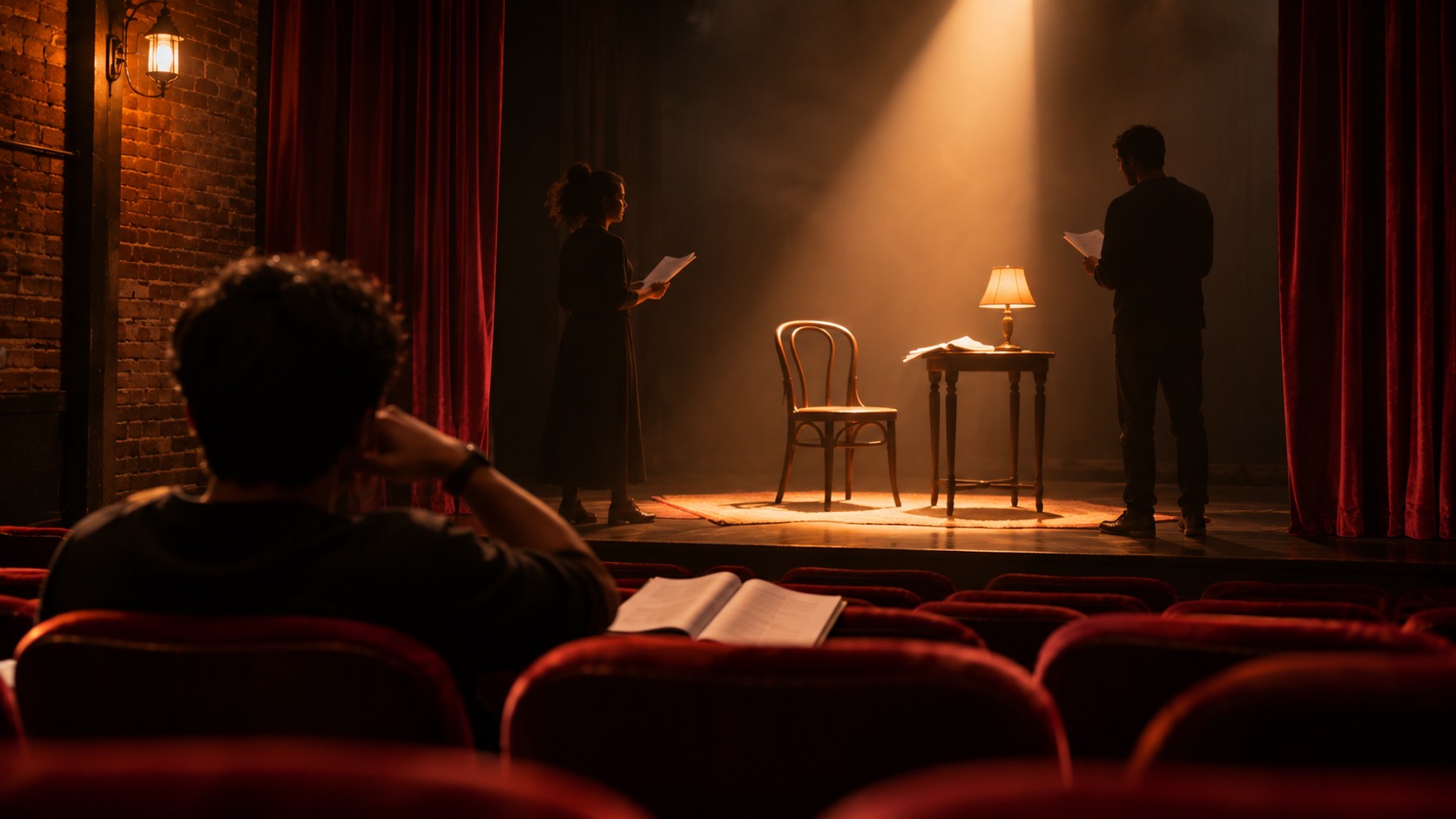
The clearest example is Dior. In September 2026 the fashion house signed a two-year creative partnership with the entertainment company A24, becoming the main partner of the Cherry Lane Theatre, the New York Off-Broadway venue that reopened in 2025. It launched with a one-night performance rather than a campaign, and the deal includes support for emerging artists and students (Foresight Factory).
| Brand | What it funds | Form | Who leads |
|---|---|---|---|
| Dior × A24 | Cherry Lane Theatre, New York; emerging artists and students | Two-year creative partnership, launched with a single performance | The theatre and its artists |
| Loewe | Loewe Foundation Craft Prize (tenth edition); a residency with Belmond hotels in Mallorca | Annual prize and residency | Craftspeople and judges |
| Gap | ‘The House’ in San Francisco, with the Institute of Contemporary Art San Francisco | Shared cultural space | The institute |
| AllSaints | The Toe Rag, an independent print magazine, sold in its flagship stores | Distribution and support | The magazine’s editors |
| Saie Beauty | Saie Culture & Arts Program | Ongoing arts programme | Artists in the programme |
| Lululemon | Capsule collection with artist Geoff McFetridge | Artist collaboration | The artist’s work |
All examples as reported by Foresight Factory, November 2026. The pattern across them is consistent: the brand pays for something that already has its own audience and credibility, gives it time, and lets the work speak first.
A sponsorship asks, ‘how many people saw us?’ A patronage asks, ‘what exists now that would not have existed without us?’
Why brands are doing this now
Foresight Factory links part of the trend to AI: as more content becomes machine-made, work that is visibly human and made in a real place gains value, and brands want to be associated with it. That is the report’s analysis rather than a measured finding, but it fits what entertainment marketers see every day. Fans are skilled at spotting a brand that borrows a scene’s credibility without giving anything back, and generous to brands that clearly put something in.
There is a commercial logic too. A theatre programme, a prize or a residency runs for years, not for a campaign window. It gives the brand a reason to show up repeatedly with something new to say, and the cost is often closer to a mid-sized activation than to a headline sponsorship.
What patronage looks like in Asian entertainment
The arts examples above are Western, but the model translates directly to the scenes WENOTIFT works in. A few forms that fit, described as possibilities rather than existing deals:
- Rehearsal and training spaces. Funding practice rooms, dance studios or vocal training for trainees and independent artists, credited quietly, in cities where rehearsal space is scarce and expensive.
- Fan-made culture. Supporting the exhibitions, birthday cafés and fan art events that fandoms already organise, on the fandom’s terms. Our guide to K-pop birthday café trends shows how much of this culture fans build themselves.
- Independent film and drama. Backing screenings, subtitling or festival programmes for Thai, Chinese or Japanese work travelling to new markets, where access rather than awareness is the bottleneck.
- Craft and design around music. Prizes or residencies for the stage designers, choreographers and visual artists behind live shows, who rarely get public credit.
How to fund culture without taking it over
The fourth test matters legally as well as ethically: when a brand pays for content or a creator’s work, disclosure rules still apply, which we cover in our influencer and ad disclosure workflow. And because patronage runs over years, the rights and renewal terms need the same care as any sponsorship; see rights expiry and closeout.
| Sponsorship | Patronage | |
|---|---|---|
| Main goal | Visibility and association | Credibility and long-term goodwill |
| Typical length | A campaign, tour or season | Multi-year |
| Brand presence | Central: logo, launch, assets | Credited, secondary to the work |
| Success measure | Reach, awareness, conversion | What was made possible, plus sentiment over time |
| Biggest risk | Being ignored | Looking like a disguised ad |
Where WENOTIFT fits
WENOTIFT is an AI-powered brand-partnership platform for entertainment. Brands use it to find partners whose audience and values fit, from venues and promoters to communities and independent productions, agree terms with the desk, and run the partnership in a real-time partnership dashboard that keeps commitments, approvals and proof in one record over the length of the deal. For live-event examples of brands doing this at scale, see what the BTS ARIRANG tour sponsors show brands.
Sources
Foresight Factory: What’s trending in November 2026 (2 November 2026)
Fund the culture your audience already loves, and let it lead.
Talk to WENOTIFT about finding the right scene, structuring a multi-year partnership and showing what it made possible.