How licensed IP turned a hero product into a collectible
A rights framework — not a one-off endorsement — let Laneige turn a core product into a fan collectible, engineering scarcity, emotional utility and sell-through that outran the forecast.
Independent analysis. This is WENOTIFT's own study of a publicly reported partnership. WENOTIFT was not involved in the campaign and is not affiliated with the brands or artists shown. Figures are estimates compiled and modelled from public sources — not client results or guaranteed outcomes.
These are not measured results. WENOTIFT did not run this campaign and has no access to Laneige’s measurement. The figures below are compiled from public reporting and estimates, and the charts are illustrative models built around them — not audited campaign data, and not our client results.
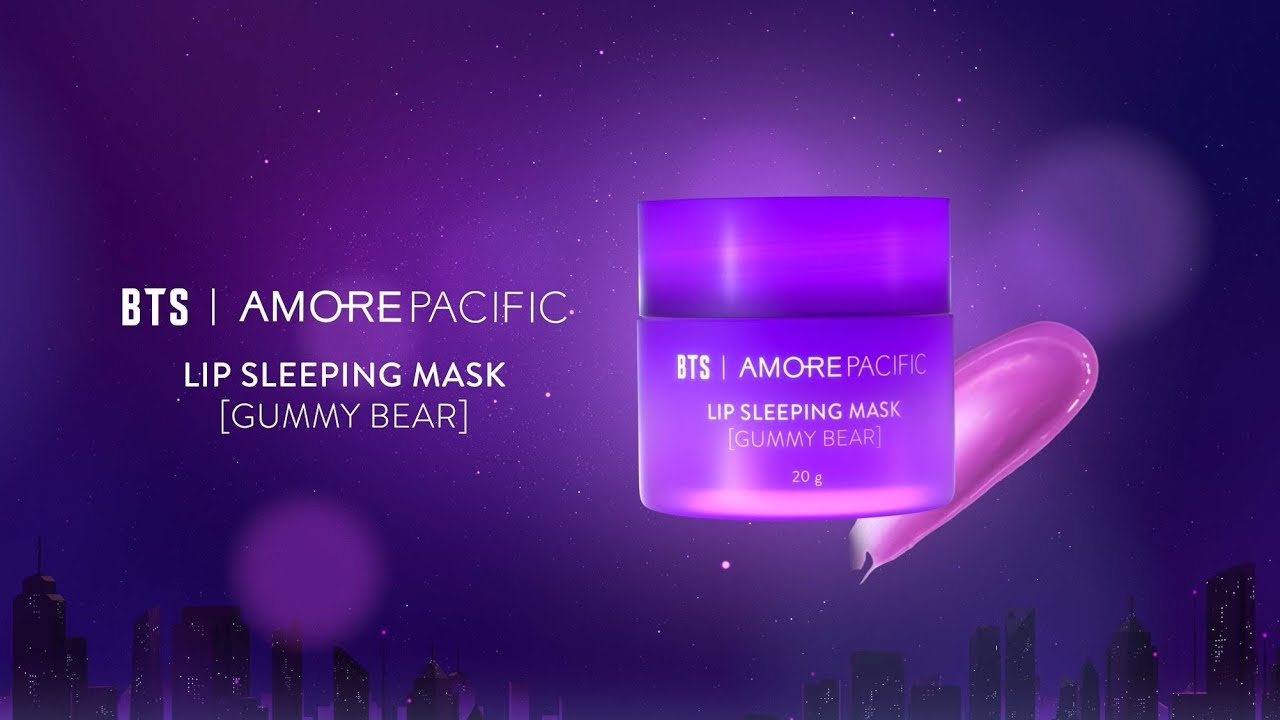
Most celebrity beauty plays rent a face for a season. Structuring the BTS partnership as licensed IP changed the product itself: a hero SKU became a collectible with fan-exclusive packaging, scarcity, and emotional utility that a discount could never manufacture.
Because the collaboration was built on a rights framework rather than a single campaign, it could scale across markets with clear territorial and usage terms — and sell through almost completely.
View data table
| Sell-through | |
|---|---|
| D1 | 38% |
| D3 | 62% |
| D7 | 79% |
| D14 | 88% |
| D30 | 93% |
View data table
| Segment | Value | Share |
|---|---|---|
| Core fandom | 46% | 46% |
| Lapsed users | 22% | 22% |
| New-to-brand | 20% | 20% |
| Gifting | 12% | 12% |
View data table
| Category | Value |
|---|---|
| IP collab | 5.5× |
| Endorsement | 2× |
| Paid social | 1.3× |
The problem
A price promotion buys a spike and trains customers to wait for the next one. Beauty brands leaning on short celebrity bursts get attention without durable equity — and nothing that a fan wants to keep.
The strategy
License the IP, don't rent the face. A rights framework let Laneige co-create a collectible: fan-exclusive design, a deliberately limited run, and emotional utility that made the product itself the reason to buy — with territorial and usage terms clear enough to scale.
The impact
The limited run sold through above 90%, category demand lifted 20–25% during the window, and return on spend ran 5–6× — well ahead of a comparable endorsement or paid-social play.
Key takeaways
IP licensing builds an asset you own the terms to; endorsement rents attention you lose when the flight ends.
Scarcity plus emotional utility outperforms discounting — fans pay for meaning, not markdowns.
A collectible converts lapsed and new-to-brand buyers, not just the core fandom.