AboutInsights
LoginSign Up
← Insights·Chinese Drama

Chinese Drama Genres: Why Historical and Xianxia Dramas Dominate Brand Partnerships

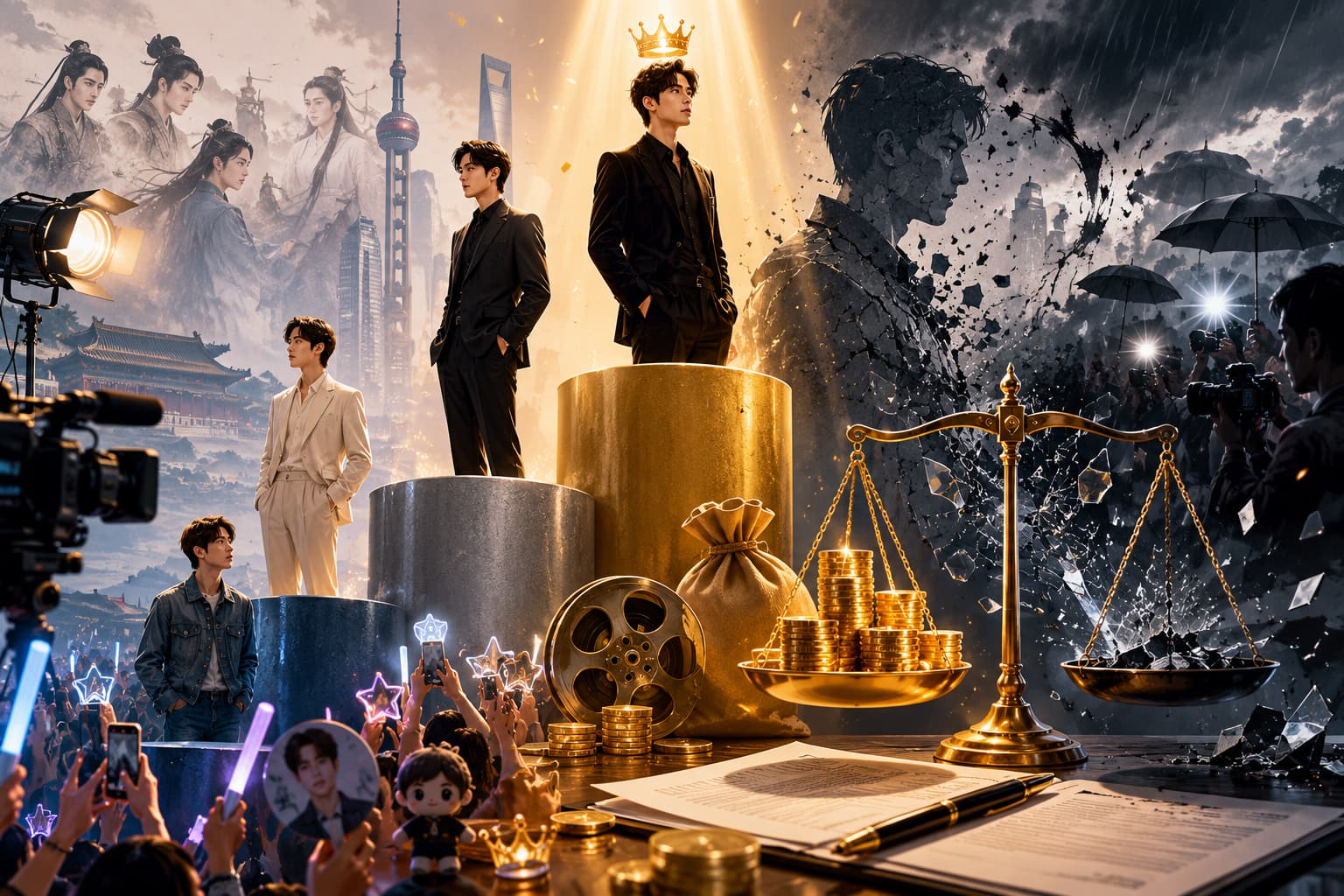
In Chinese drama, genre sets the economics. Historical costume dramas and xianxia (fantasy-cultivation) lead on reach, brand-safety, and export potential — while contemporary social dramas carry the most risk.

Chinese Drama Genres: Why Historical and Xianxia Dramas Dominate Brand Partnerships
W
WENOTIFT
June 8, 2026 · 8 min read
TL;DR

In Chinese drama, genre sets the economics. Historical costume dramas and xianxia (fantasy-cultivation) lead on reach, brand-safety, and export potential — while contemporary social dramas carry the most risk.

Unlike K-drama, where genre is largely interchangeable for brand purposes, Chinese drama economics are genre-specific. Some genres are bigger, safer, and more exportable than others — and that directly shapes which partnerships are viable. For brands, choosing the genre is part of choosing the partnership.

Quick Overview
Genre = Economics
Genre sets reach, brand-safety, and export potential — far more than in K-drama.
The Leaders
Historical and xianxia dramas dominate — biggest audiences, safest, most exportable.
The Caution
Contemporary social dramas carry the most risk and are declining under regulation.
Takeaway: in Chinese drama, the genre you partner around determines the reach, the safety, and the export upside.

The five genres that matter

Each carries a different audience, brand-safety profile, and partnership fit.

Genre 1

Historical / costume (古装)

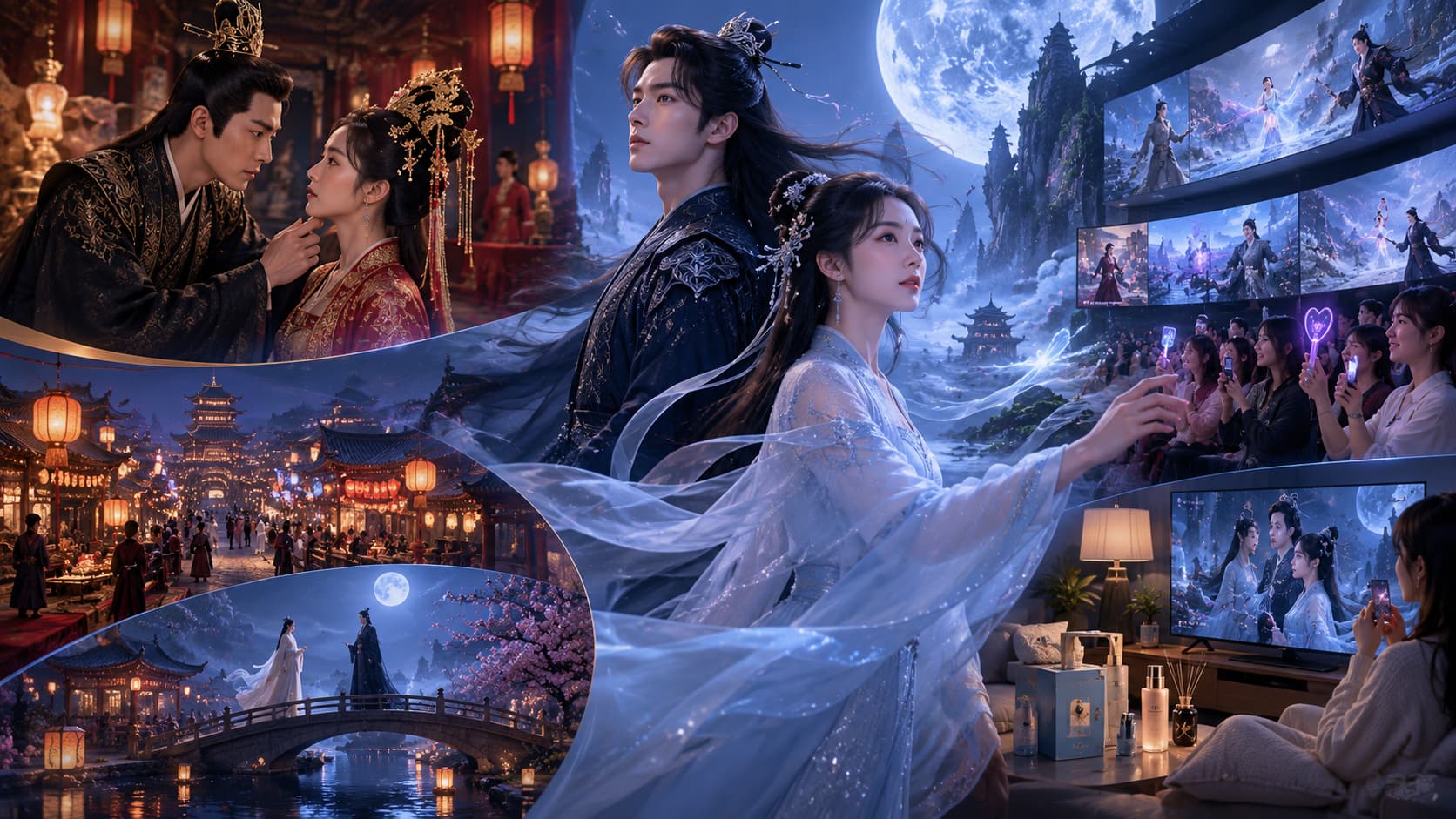
The largest, safest segment — period epics like Story of Yanxi Palace and Nirvana in Fire. Premium aesthetic, strong Netflix appeal, timeless.

Largest + safest
Genre 2

Xianxia / fantasy (仙侠)

Fast-growing fantasy-cultivation dramas like The Untamed and Love Between Fairy and Devil — gorgeous leads, Gen-Z reach, heavy merch, global appeal.

Fastest-growing
Genre 3

Romance (言情)

Huge emotional engagement and intensely loyal pairing fandoms; contemporary settings suit modern product placement.

High engagement
Genre 4

Crime / suspense (悬疑)

Smaller but loyal, mature, affluent audiences; strong acting prestige and good international travel.

Premium audience
Genre 5

Contemporary / social (现实题材)

Socially relevant but the highest-risk segment under regulation — declining, and least recommended for brand safety.

Highest risk
Summary: historical and xianxia lead on reach and safety; romance and crime serve specific audiences; contemporary social is the one to approach with caution.

Matching genre to brand

Different brand types win in different genres.

Genre → Brand Fit
Fit 01
Luxury
Luxury brands → Historical
Costume aesthetics and premium associations make historical dramas a natural home for watches, jewellery, and fashion.
Why it works
Premium, brand-safe, timeless
Bonus
Netflix global reach
Fit 02
Gen Z
Gen-Z & beauty brands → Xianxia
Visual spectacle and gorgeous young leads make fantasy-cultivation dramas ideal for beauty, fashion, and Gen-Z targeting.
Why it works
Young audience, heavy merch
Bonus
Gaming tie-ins
Fit 03
Lifestyle
Lifestyle & FMCG → Romance
Loyal pairing fandoms and contemporary settings make romance dramas strong for couple endorsements and product placement.
Why it works
Devoted, high-intent fandoms
Best for
Beauty, FMCG
Fit 04
Premium
Tech & premium → Crime/Suspense
Mature, affluent, intellectually-engaged audiences suit tech and premium brands.
Why it works
Affluent, attentive viewers
Travels
Internationally

The genre forecast

Historical stays stable and safe; romance stays consistent; xianxia is growing fastest as production values and international appetite rise; crime is gaining respectability; and contemporary social continues to decline under regulation. The practical message: build partnerships around the genres that are both growing AND safe. For the risk side in detail, see the censorship and brand-risk guide.

Genre Strategy

Partner around the right Chinese drama genre.

Talk to WENOTIFT about matching your brand to the genre — historical, xianxia, romance, or crime — that fits your audience and risk profile.

WENOTIFT // Culture–Commerce Intelligence Layer
WENOTIFT structures how global brands enter, evaluate, and scale within Asia’s fandom economies — connecting strategy, intelligence, and commercial execution across K-Pop, C-Pop, J-Pop, Thai and Chinese entertainment.
System Layers
Korea // Entertainment Layer
China // Entertainment Layer
Japan // Entertainment Layer
Thailand // Entertainment Layer
Content // Studio Layer
Live // Activation Layer
System Role: Architecting brand participation across Asian entertainment ecosystems.
FAQ

Frequently asked questions

Which Chinese drama genres are best for brand partnerships?+

Historical (costume) and xianxia (fantasy-cultivation) dramas lead — they have the largest audiences, the strongest brand-safety profiles, and the best export potential. Romance and crime serve specific audiences well, while contemporary social dramas carry the most risk.

What is xianxia drama?+

Xianxia is a Chinese fantasy-cultivation genre featuring immortals, magic, and martial-arts progression, often adapted from web novels. Hits like The Untamed and Love Between Fairy and Devil have made it the fastest-growing genre internationally, with strong Gen-Z appeal and heavy merchandising.

Why are historical dramas the safest for brands?+

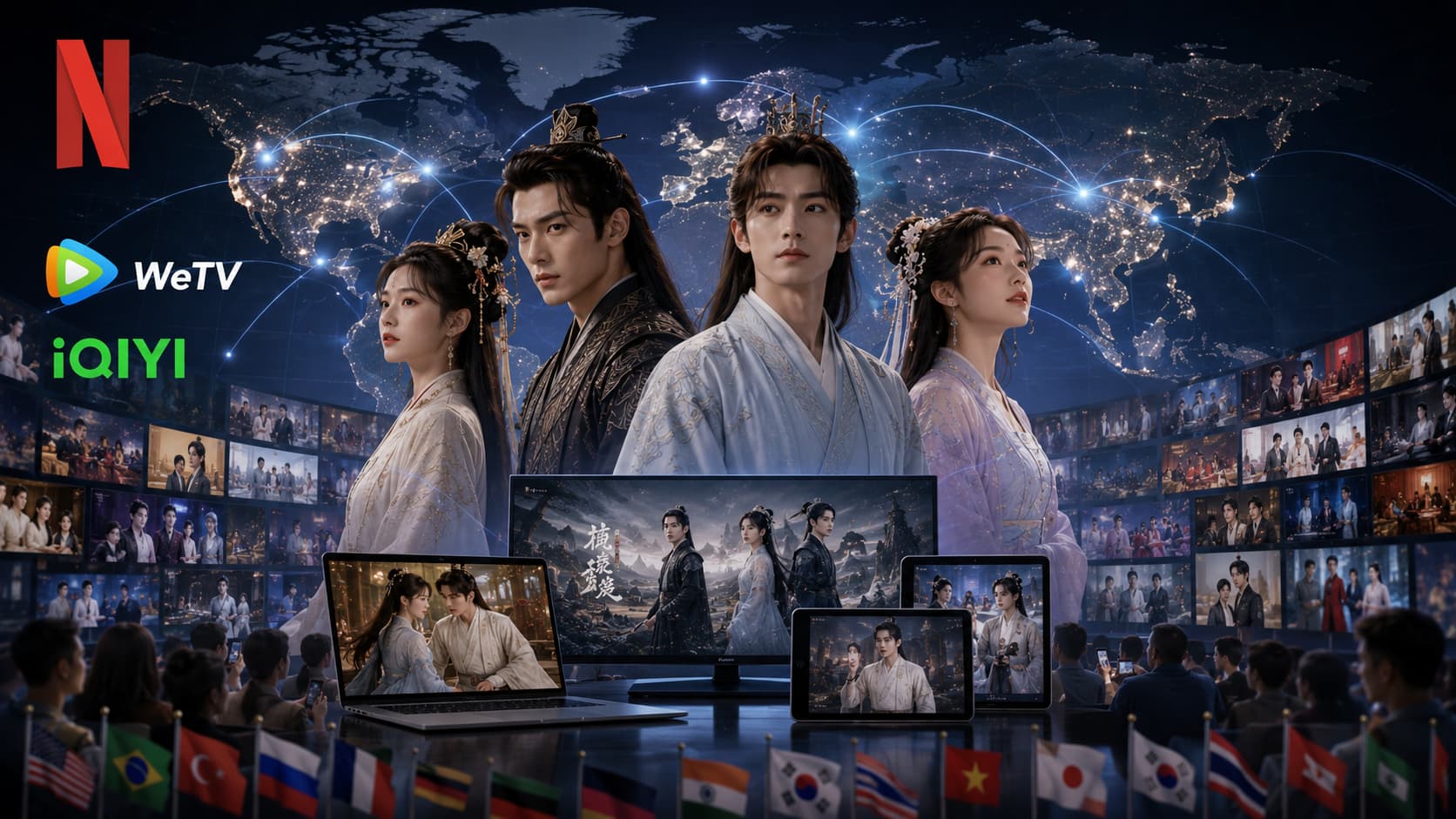
Because their ancient settings keep them clear of contemporary political sensitivities, they are reliably approved, and their premium costume aesthetic suits luxury associations. They also export well — Netflix prioritises historical Chinese dramas — and they age gracefully.

Which Chinese drama genre should my brand partner with?+

It depends on your category: luxury brands fit historical dramas, Gen-Z and beauty brands fit xianxia, lifestyle and FMCG brands fit romance, and tech or premium brands fit crime/suspense. Contemporary social dramas are best avoided for brand safety.

Why are contemporary Chinese dramas risky for brands?+

Contemporary social dramas engage with real-world issues, which makes them the most exposed to regulation and the most likely to face content restrictions. The segment is declining as a result, making it the least dependable genre for brand partnerships.

More articles that will interest you

View all →
Ready to activate your brand in Asia?
← More Insights