Coca-Cola × NewJeans
A global FMCG brand does not need an artist for reach — it already has more of that than the artist does. It hires one to be specific, in a market and an age band where the brand reads as furniture.
Independent analysis. This is WENOTIFT's own study of a publicly reported partnership. WENOTIFT was not involved in the campaign and is not affiliated with the brands or artists shown. It describes how this kind of deal is structured. It reports no performance figures, because we have no access to the measurement behind someone else’s campaign.
- What is exchanged
- Likeness and an original track for campaign rights
- Term
- Campaign flight
- Category
- FMCG, beverage
- Market
- APAC and ASEAN, Gen-Z
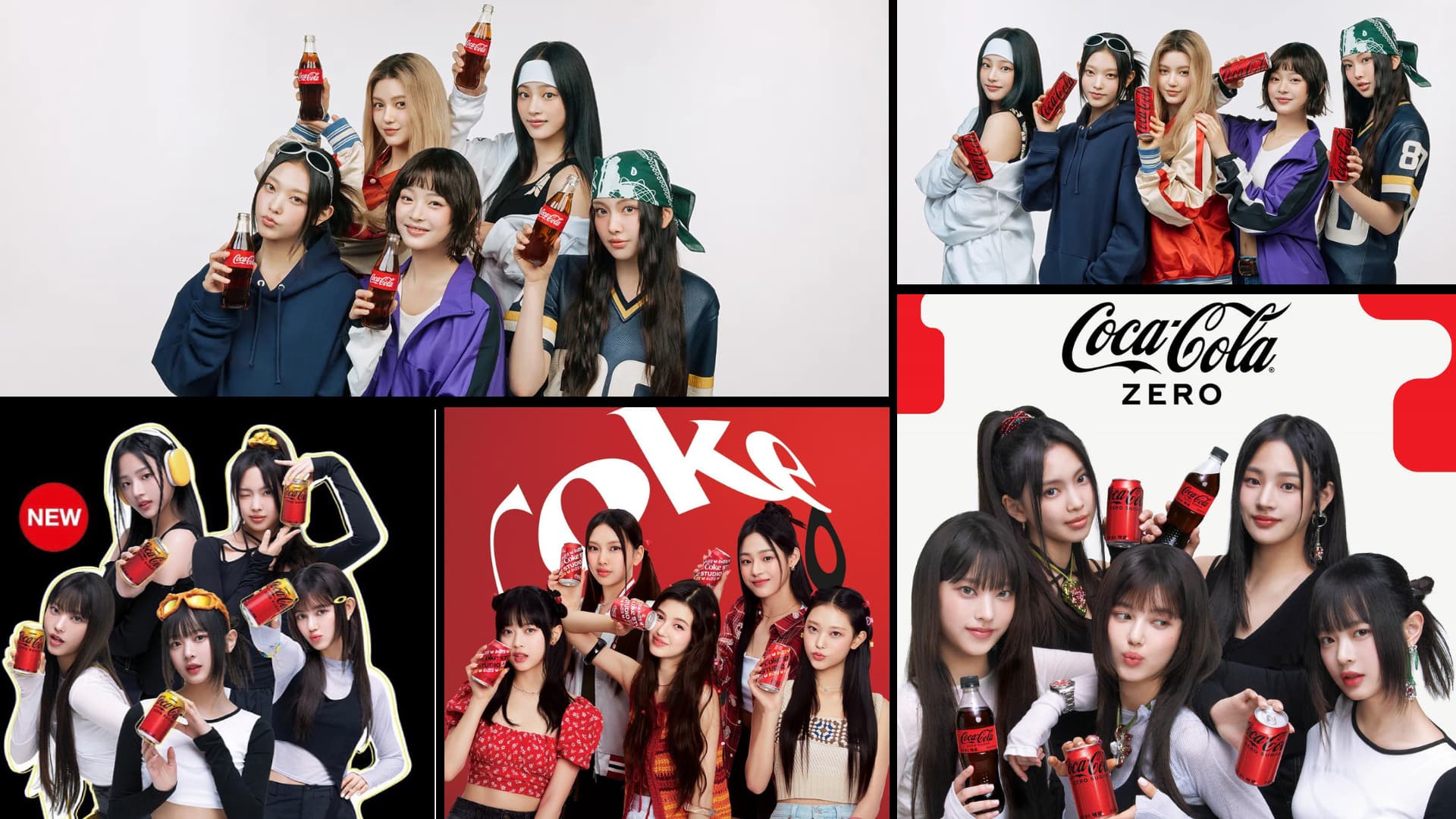
What this kind of deal actually is.
A beverage brand that everyone already knows has an unusual problem: awareness is at the ceiling, so the campaign cannot be about being known. It has to be about being chosen, by a group that currently treats the brand as a default rather than a preference.
Hiring a group at the centre of a young audience is a way of borrowing specificity. The brand is not renting reach; it is renting the sense that a particular set of people, in a particular year, think this is theirs.
How it is put together.
- 01
Music rights are the expensive part
An original track means the label, the publisher, the producers and the performers all hold something. Campaign usage, territory, term and platform each price separately, and sync clearance is where these deals slip.
- 02
Territory is narrower than the brand
A global brand running a regional artist campaign has to fence it. Assets leak across borders by default, and an unfenced deal creates rights exposure in markets nobody bought.
- 03
The artist’s calendar sets the schedule
Comeback cycles, promotion windows and tour routing are fixed long in advance and do not move for a campaign. The brand fits the artist’s year, not the reverse.
- 04
Fandom amplification cannot be commissioned
The organic spread that makes these campaigns look cheap is a consequence of the work being good. It is not a deliverable and should never be written in as one.
Why it holds up.
It bought specificity, not scale
The brand spent on being the right answer for one audience rather than a louder answer for everyone.
The output was a thing, not an ad
A track people choose to play has a different half-life from a spot people are served. The asset keeps working after the media stops.
The category carried no contradiction
Beverage endorsement asks almost nothing of the artist’s credibility, which is why FMCG can move quickly in a space where other categories stall.
Two failure modes, and they are opposites. The campaign can be too generic, in which case the brand has paid a premium for a face and could have cast anyone. Or it can be too closely fused to a moment, and look dated within a year while the rights still have a year to run. There is also a durable trap: an FMCG brand that leans on a young fandom once is expected to keep doing it, and the second campaign always costs more than the first.
If you are buying one of these.
Structuring one of these?
Tell us what you are working on and a person from the partnerships desk replies, not a form.