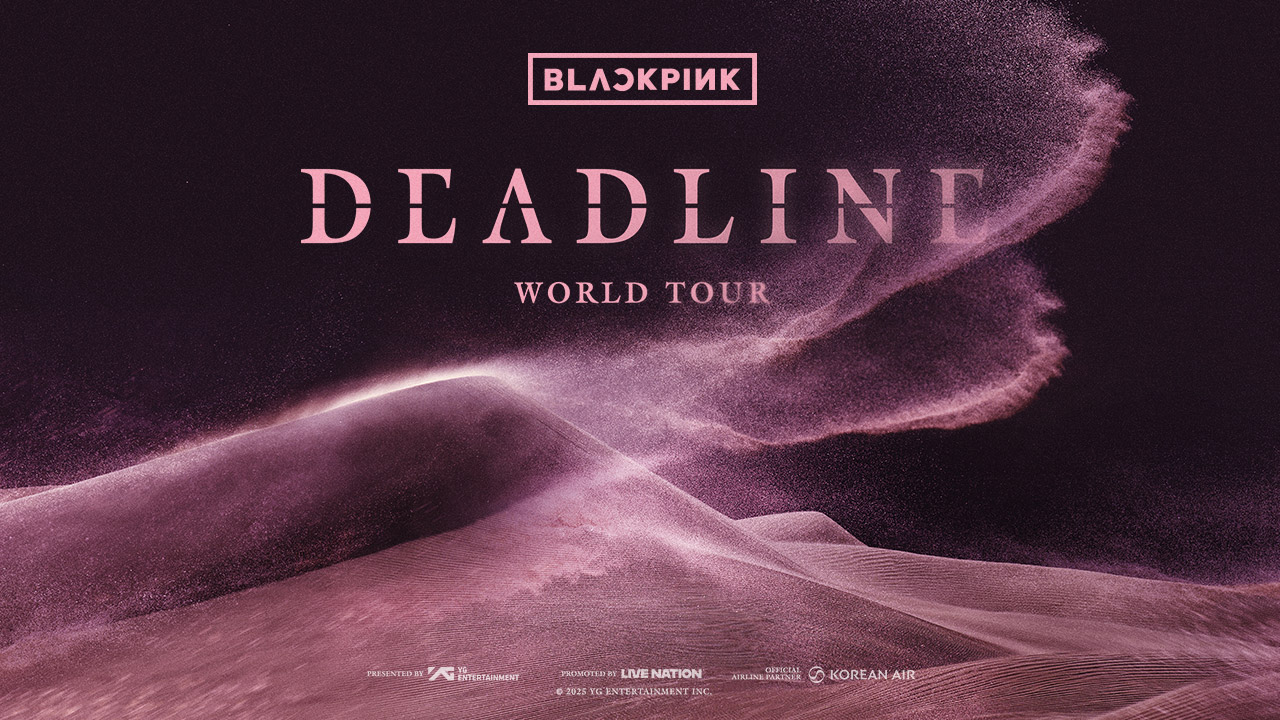
Visa × BLACKPINK World Tour
A card issuer sponsoring a stadium tour is not buying a logo on a screen. It is buying a position in the queue — and that turns a sponsorship into a transaction the sponsor can actually see.
Independent analysis. This is WENOTIFT's own study of a publicly reported partnership. WENOTIFT was not involved in the campaign and is not affiliated with the brands or artists shown. It describes how this kind of deal is structured. It reports no performance figures, because we have no access to the measurement behind someone else’s campaign.
- What is exchanged
- Presale window for card usage
- Term
- Tour cycle
- Category
- Financial services
- Market
- APAC, multi-city
What this kind of deal actually is.
A world tour sells out in layers. Before tickets reach the open sale there is a sequence of presales — fan club, venue, promoter, and usually a payment partner — each releasing a slice of inventory to a defined group. The payment partner’s slice is the one that requires a card.
That is the whole mechanic. The sponsor does not buy attention at the show; it buys the right to put its product between the fan and the ticket, at the exact moment the fan wants the ticket more than anything else.
How it is put together.
- 01
Inventory is carved before it is sold
The presale allocation has to be agreed with the promoter and the artist’s team before the on-sale date is announced. Once a date is public, there is no allocation left to negotiate. This is why tour sponsorships close early or not at all.
- 02
The benefit is conditional, not decorative
Access is gated on holding and using the sponsor’s product. That single condition is what separates this from a banner: the fan has to do the thing the sponsor is paying for.
- 03
Rights run per market, not per tour
A tour crosses jurisdictions with different promoters, different ticketing platforms and different local partners. "APAC rights" is usually a stack of per-city agreements that each need their own sign-off.
- 04
Delivery is proven at the gate
Presale volume, redemption and fulfilment are observable events with timestamps. The sponsor does not have to take anyone’s word for what was delivered, which is rare in this category.
Why it holds up.
The ask matched the moment
Applying for a card to get a banner impression is absurd. Applying for one to get into a presale is not, because the fan already wanted the outcome.
Scarcity did the persuading
The sponsor did not have to argue that the benefit was valuable. A finite number of tickets argued it.
Every step left a record
Presale traffic, conversion and card activation are logged by systems both sides already run. Nothing had to be reconstructed afterwards from screenshots.
The failure mode is a presale that does not clear, or clears so fast that most of the audience it was sold to never got in. Either outcome turns a sponsorship into a complaint thread. Allocation size is the whole negotiation, and it is settled months before anyone can tell whether it was right. A sponsor that under-buys gets a rounding error; one that over-buys gets unsold inventory and a promoter who will not renew on the same terms.
If you are buying one of these.
Structuring one of these?
Tell us what you are working on and a person from the partnerships desk replies, not a form.