J-Pop has a rare multigenerational fanbase — 40-somethings who grew up with it and Gen Z discovering it via TikTok and retro trends. That cross-generational pull opens market segments most pop genres can’t reach.
Most pop genres skew young. K-Pop's core is Gen Z and young millennials; C-Pop's is domestic Chinese youth. J-Pop is the outlier — it carries a genuinely multigenerational fanbase, where a 45-year-old and a 15-year-old can be fans of the same era. That breadth opens market segments other genres simply can't address.
The nostalgia foundation
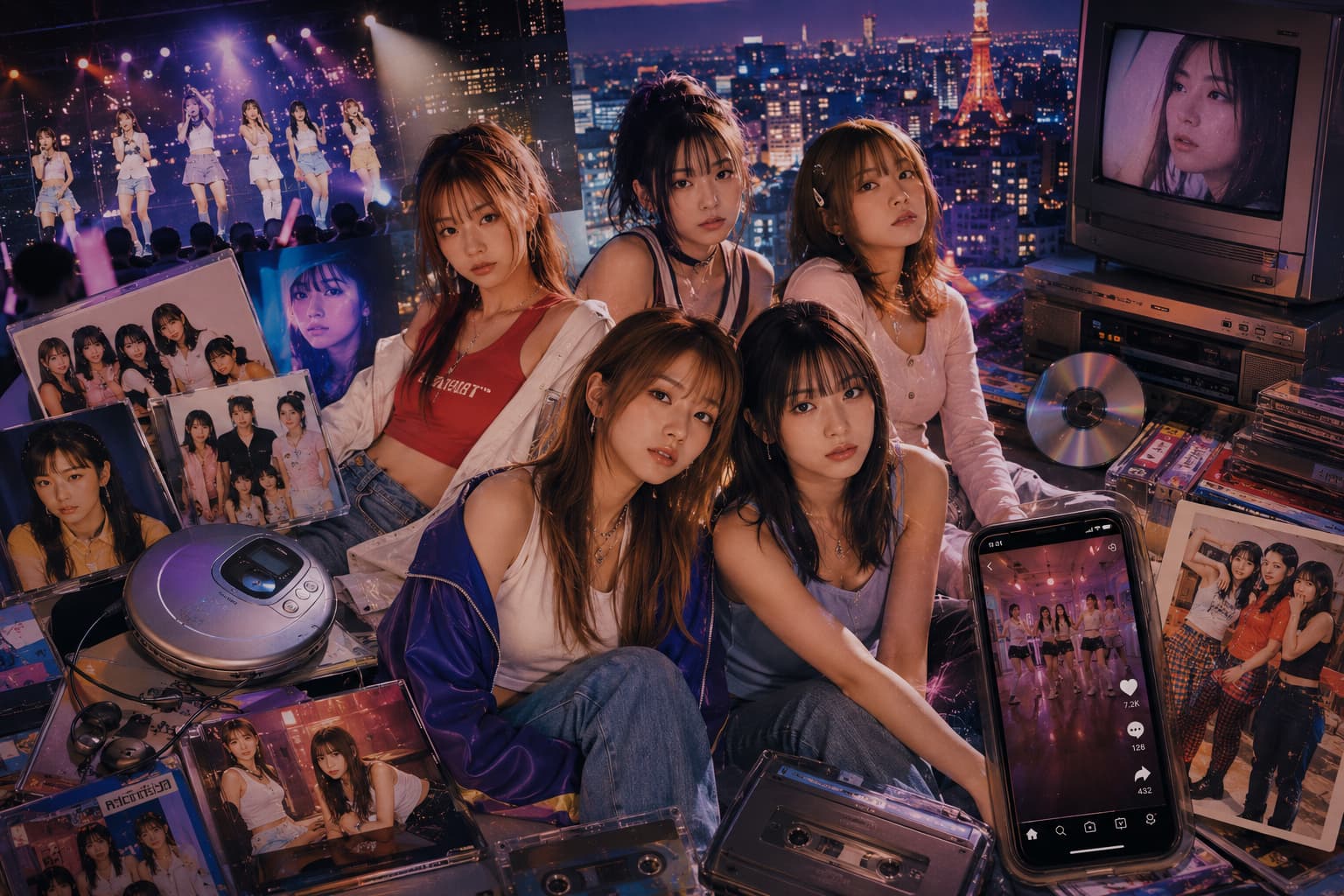
The late 1990s and 2000s were a J-Pop golden age, when the genre had global reach alongside the anime and gaming boom. Many of those artists — Utada Hikaru among the most iconic — remain active and relevant, which keeps the nostalgia commercially live rather than purely sentimental. The audience splits across three layers: a core of 35–50-year-olds who grew up with it, a secondary band of 25–35-year-olds, and a growing tertiary group of teens and young adults discovering classics through streaming and short-form video.
The generational split
The two ends of the fanbase want different things from a brand — and that's the opportunity, not the obstacle.
Where the opportunities are
Four openings recur: classic-artist reunion tours, where decades-old acts reform to high demand and command premium ticketing and merchandise; anniversary reissues and remasters that lend themselves to exclusive, branded editions; the steady TikTok virality of classic J-Pop tracks introducing them to new, younger listeners; and explicitly cross-generational campaigns that market the same artist to both millennials and Gen Z. Each rewards a different brand posture — premium and community-led for millennials, authentic and trend-native for Gen Z.
Nostalgia in J-Pop isn’t looking backward — classic streaming is growing, not declining, and it now reaches a generation that wasn’t born when the music came out.
Reading generational entertainment trends — where nostalgia creates economic value and how a property bridges age groups — is part of the same intelligence work behind our culture-commerce framework. The brands that win here treat J-Pop nostalgia as a long-term trend, not a fad.
Reach two generations through one cultural property.
Talk to WENOTIFT about multigenerational J-Pop strategy — premium nostalgia for millennials, retro-authentic reach for Gen Z, and the campaigns that bridge both.