Anisong — anime music — is a global discovery and commerce engine. How opening themes, streaming, and artist crossover build value brands should understand in 2026.
Anisong — short for "anime song" — is the music written for or made famous by anime, most visibly the opening and ending themes attached to a series. It is a category defined by its relationship to screen: a song becomes anisong when it is bound to a show, a season, and a story, and it carries that association wherever it travels.
That binding is what makes anisong commercially distinctive. A pop single competes for attention on its own; an anime theme arrives pre-attached to a narrative audience that has chosen to sit through it, week after week, at a fixed point in every episode. For brands trying to read where cultural attention concentrates and converts, anisong is one of the clearest examples of music and screen working as a single system rather than two separate markets.
What anisong actually is
Anisong is the body of music produced for, or popularised through, anime — including opening themes (OP), ending themes (ED), insert songs, and character or franchise tracks. It spans genres, from rock and pop to electronic and orchestral, and its defining feature is not a sound but a function: the music is tied to a screen property and to the audience that property gathers. An anisong artist is one whose work reaches listeners primarily through this channel, though many also build careers well beyond it.
The category matters because it behaves differently from standalone pop. Its discovery is driven by the show's release schedule, its fandom is global from day one because anime distributes worldwide, and its value compounds as a series succeeds across seasons and adaptations.
How OP and ED themes work as a discovery engine
Opening and ending themes are anime's built-in music-discovery mechanism. Every episode delivers a song to a captive, self-selected audience at a predictable moment, and a strong theme becomes inseparable from the show in viewers' memories. This is repeat exposure most artists cannot buy — the same track, framed by the same visuals, delivered to the same engaged fans across an entire season.
Because anime streams globally and often near-simultaneously, an opening theme reaches listeners in dozens of countries at once. A viewer in Jakarta, São Paulo, or Berlin encounters the song the same week as one in Tokyo. The discovery is not marketed into those markets; it is carried there by the distribution of the show itself.
An anime opening theme is one of the few remaining formats where a single song is delivered, in full context, to a global audience on repeat — turning a series into a music-discovery channel rather than just a story.
The result is that anime functions as a worldwide A&R and promotion layer for the music attached to it. A show's reach becomes the song's reach, and a breakout series can lift a relatively unknown artist to international recognition through the theme alone.
The artist crossover path
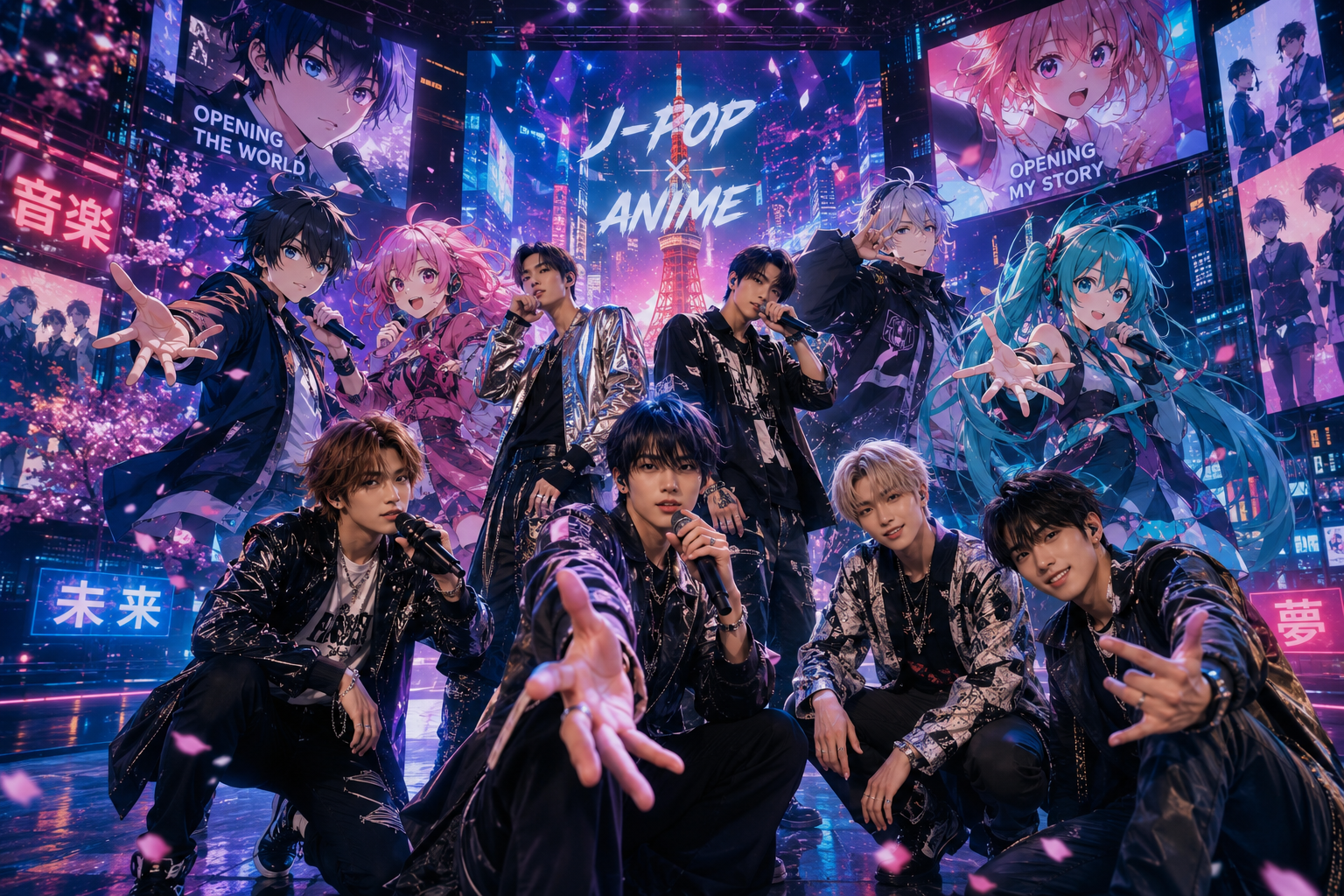
The crossover path is the route by which anisong artists build mainstream and international careers from an anime-anchored start. A theme song introduces an artist to a global fandom; that fandom follows the artist to streaming, live shows, and non-anime releases; and the artist gradually accumulates an audience that exists independently of any single series. Artists associated with major anime themes have, over time, built followings well beyond Japan and beyond anime itself.
This path runs in both directions. Established mainstream artists are also commissioned to write and perform anime themes, using a hit series to reach the deeply engaged, globally distributed anime audience. The exchange is mutual: emerging acts gain scale through anime, and established acts gain a highly engaged new audience through it.
For brands, the crossover path is where an anisong artist's value profile changes. An artist still early in that crossover can be an accessible partner with disproportionate global reach; one who has completed it commands mainstream-scale attention. Reading where an artist sits on this path is central to judging fit and cost.
How streaming carries anime music worldwide
Streaming is the infrastructure that turns anime exposure into durable, borderless listening. When a viewer hears an opening theme, the song is one search away on a global streaming platform, with no local release required. Playlists — both editorial and algorithmic — then surface anime music to listeners who may never watch the show, widening the audience beyond the fandom that started it.
This is the mechanism that lets a theme song outlive its season. The show introduces the track; streaming lets it keep accumulating listeners for years, across markets, long after the episodes have aired. Anime drives the discovery; streaming captures and compounds it. Together they explain how anime music reaches audiences worldwide without the traditional country-by-country release machinery.
Live anisong concerts and events
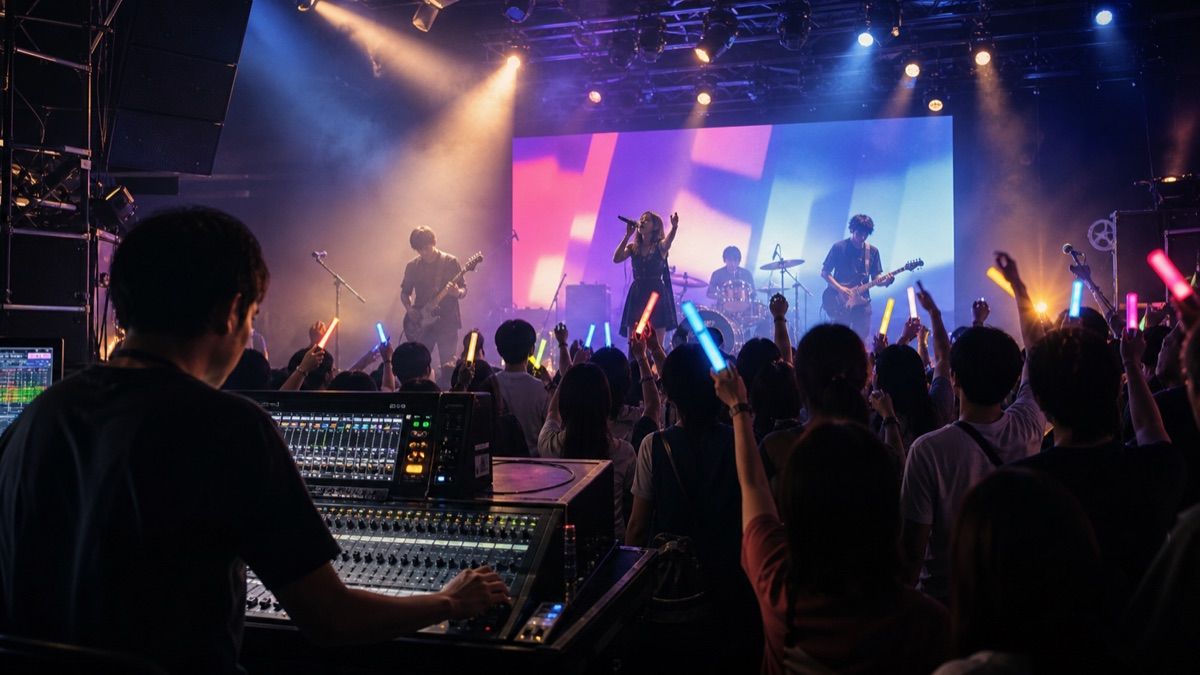
Live performance is where anisong's online reach converts into physical audiences and direct revenue. Dedicated anime-music events and festivals gather fans around the songs themselves, and individual artists tour on catalogues built substantially from anime work. These events prove the depth of the fandom: attendees are not passive listeners but committed fans who know the themes, the shows, and the artists.
Live anisong also travels. International anime conventions and music events stage anisong performances for overseas audiences, extending the concert economy beyond Japan. For the commercial ecosystem around anime music, live events are the clearest signal of demand — they show which songs and artists move people enough to buy a ticket and show up.
The commercial layers of the anime music economy
The anime music economy earns across several stacked layers, not one. Understanding them separately is how a brand sees where value is created and where a partnership can plug in.
| Layer | What it is | Where the value sits |
|---|---|---|
| Sync and licensing | Music tied to the anime itself | Recurring value as a series succeeds across seasons and adaptations |
| Streaming | Borderless on-demand listening | Long-tail, compounding audience beyond the original fandom |
| Live and events | Concerts, tours, anime-music festivals | Direct revenue and the clearest proof of demand |
| Artist endorsements | Anisong artists as brand partners | Access to engaged, global, cross-media fandoms |
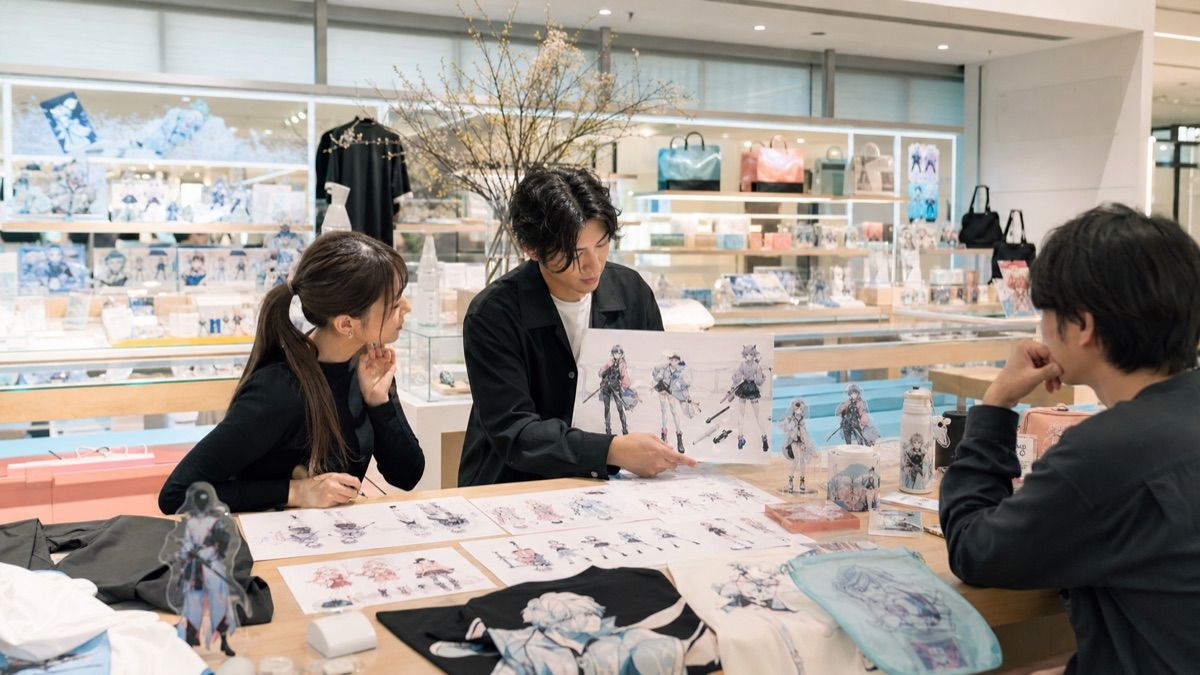
| Merch and franchise | Physical and franchise tie-ins | Fan spending that extends the music's commercial life |
Read together, these layers show why anime music is more resilient than a standalone release. A single hit pop song depends on one moment of attention; an anime theme is embedded in a franchise that can keep generating value through new seasons, films, streaming longevity, tours, and merchandise for years.
How brands should read and enter this economy
Brands should treat anime music as a cross-media attention system and enter it deliberately, not opportunistically. The audience is global, engaged, and reachable through both screen and sound, but fit matters more than reach — an anisong partnership works when the artist's identity, the show's audience, and the product genuinely align. A useful way to approach entry is to move through it in order.
This is where a partnership platform earns its place. WENOTIFT is an AI-powered brand-partnership platform — a real-time partnership dashboard for mapping artist fit and conversion across music and screen — helping brands read where an anisong artist's audience actually is, and where a collaboration would convert rather than merely reach.
The takeaway for 2026 is straightforward. Anime music is not a niche adjacent to pop; it is a global discovery and commerce engine with its own audience logic, its own crossover paths, and several stacked commercial layers. Brands that learn to read it — fandom first, layer second, fit throughout — will find an engaged worldwide audience that most of the market still treats as a subculture.
Related reading: Anime + J-Pop: the next entertainment boom · Anime IP brand collaborations · J-pop idol brand partnerships
Sources
- IFPI — global recorded-music market data and streaming trends
- Japanese music-industry associations — reporting on domestic and export music activity
- Established entertainment and streaming press — coverage of anime, anisong artists, and live music events
- General industry reporting on anime distribution and global fandom
Read the fandom and the crossover path before you commit.
Talk to WENOTIFT about mapping anisong artists, audience fit, and conversion across music and screen.