AboutInsights
LoginSign Up
← Insights·J-Pop & Anime

J-Pop Rules Gaming: Why Rhythm Games Are the Biggest J-Pop Partnership Opportunity Brands Are Missing

For J-Pop, gaming — especially rhythm games — is a primary monetisation surface, not a side channel. Tens of millions of engaged, young players, native artist integration, and almost no Western brand competition make it a standout opportunity.

J-Pop Rules Gaming: Why Rhythm Games Are the Biggest J-Pop Partnership Opportunity Brands Are Missing
W
WENOTIFT
June 13, 2026 · 8 min read
TL;DR

For J-Pop, gaming — especially rhythm games — is a primary monetisation surface, not a side channel. Tens of millions of engaged, young players, native artist integration, and almost no Western brand competition make it a standout opportunity.

When brands think J-Pop monetisation, they think streaming and concerts. They're missing the biggest surface of all: gaming. For J-Pop, rhythm games aren't a marketing channel bolted on after the fact — they're a native, deeply monetised part of the ecosystem, with an audience that's young, engaged, and almost entirely uncontested by Western brands.

A note on the numbers. Figures here are directional — drawn from public sources and industry estimates, not measured campaign results. We label ranges as inferred and never publish fabricated fees or ROI.

Quick Overview
The Surface
Gaming is a primary J-Pop revenue source — rhythm games, not just streaming and concerts.
The Audience
Tens of millions of players, concentrated in Asia-Pacific, skewing young and highly engaged.
The Gap
Few Western consumer brands compete in rhythm-game partnerships — first-mover space across verticals.
Takeaway: J-Pop’s gaming dominance is the highest-engagement, lowest-competition surface in the genre — and most brands don’t know it exists.

The rhythm-game ecosystem

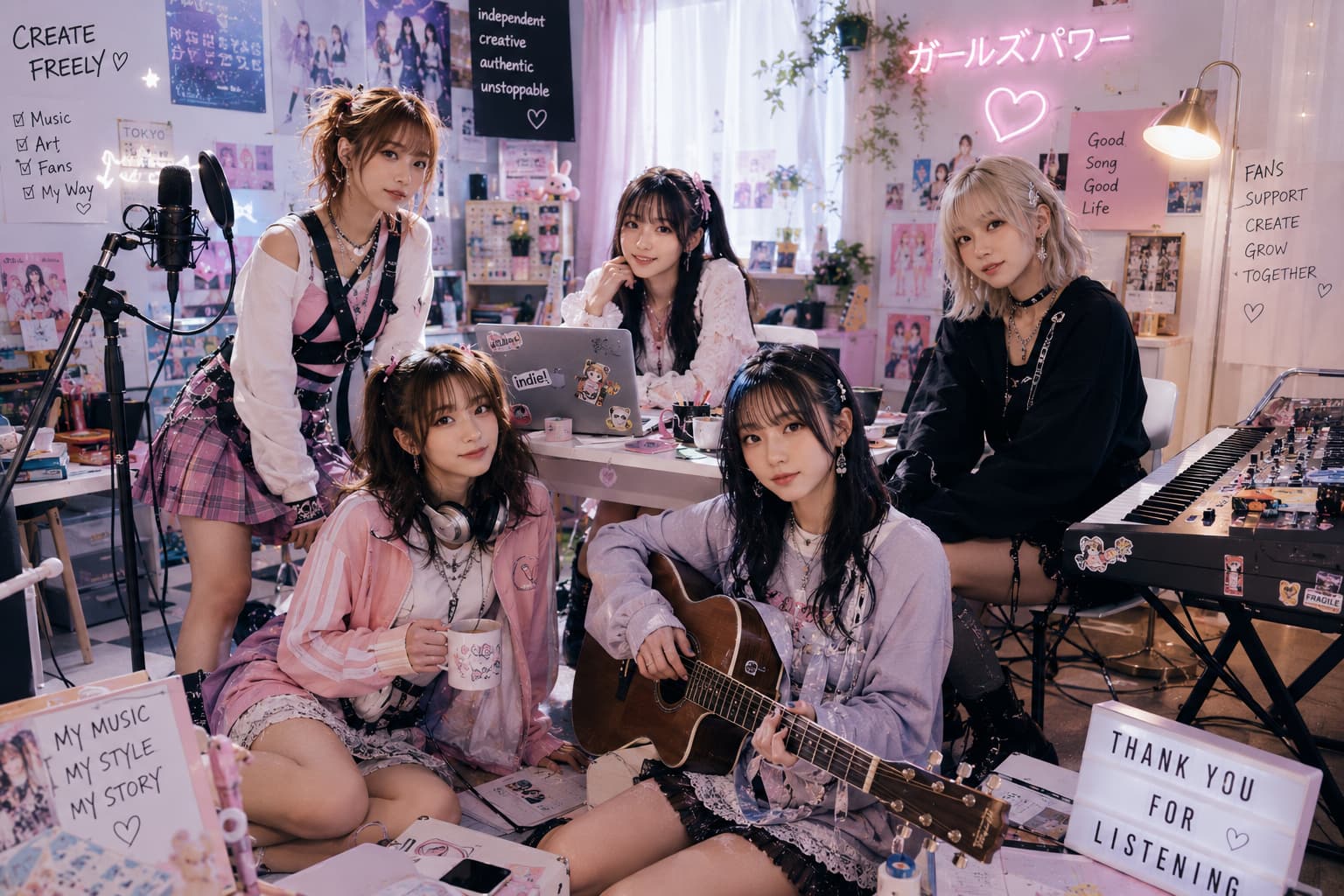
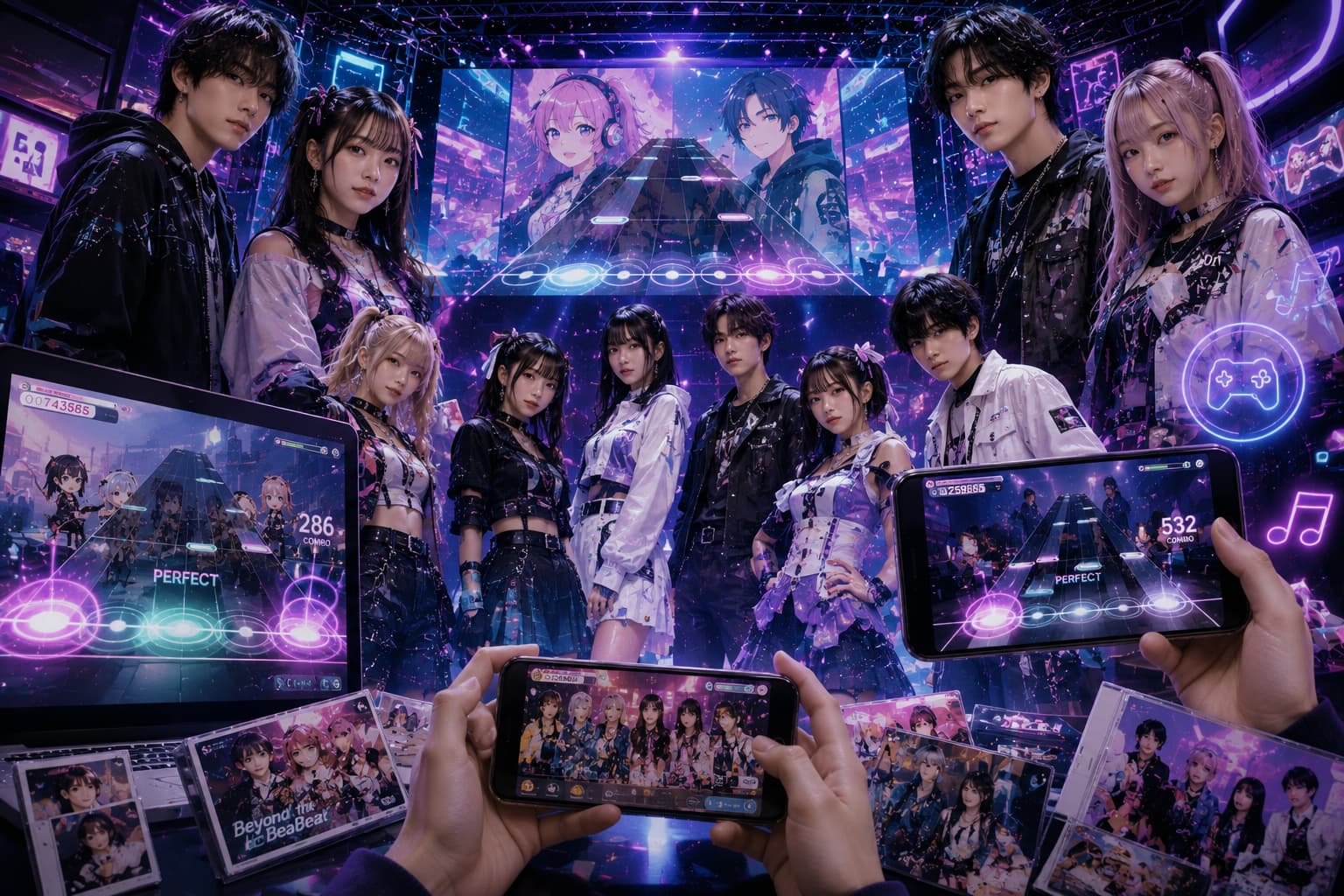
Rhythm games were born in Japanese arcades, and J-Pop has been embedded in them from the start. The genre now spans a cluster of mobile and PC titles with large, loyal player bases — and a monetisation model built on in-game purchases, season passes, in-game concert events, and merchandise. Unusually for gaming, the audience skews young and includes a high share of women, which makes it a different demographic than most brands associate with games.

Player figures are widely cited industry estimates and move over time — treat them as directional indicators of scale, not exact counts.
Title (illustrative)Why it mattersAudience note
Hatsune Miku seriesA cultural touchstone bridging J-Pop, gaming, and virtual performanceMassive, multi-platform
Muse DashProminent J-Pop catalogue with strong mobile reachYoung, mobile-native
osu!A large community-driven scene with deep J-Pop rootsEngaged, competitive
Cytus / Arcaea / VOEZDedicated rhythm titles with J-Pop-heavy librariesLoyal, Asia-Pacific core

Why J-Pop dominates rhythm games

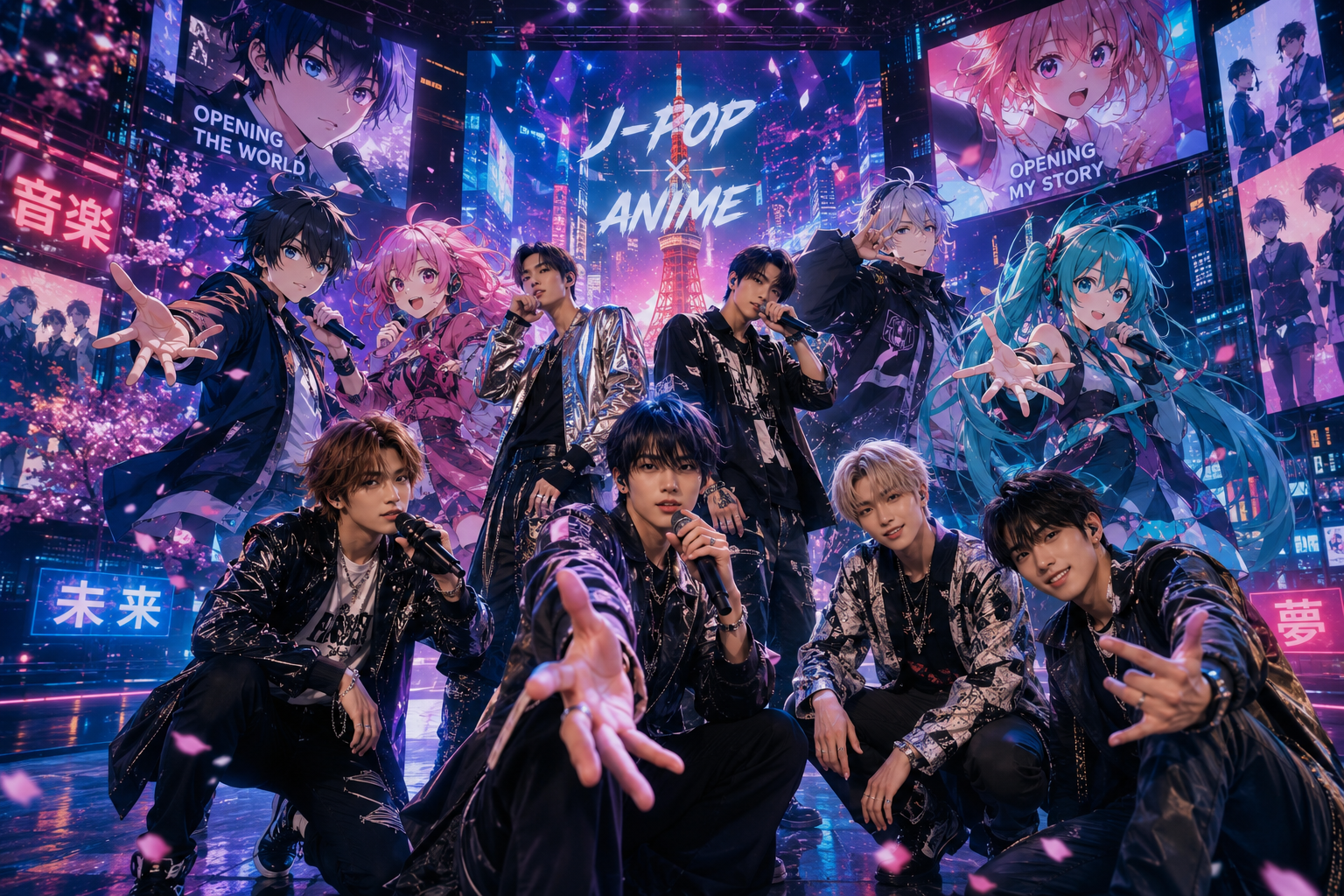
The dominance is cultural, economic, and audience-driven at once. Culturally, the genre is Japanese in origin and J-Pop is native to it. Economically, artists treat game licensing as a real career component — exclusive catalogues, per-play royalties, and cosmetic revenue shares add up. And the audience overlaps almost perfectly: game players are music listeners, and the game itself becomes a discovery vehicle that feeds streaming and concerts. The loop is self-reinforcing.

Where the brand opportunities are

Three partnership shapes stand out: direct sponsorship (tournaments, branded in-game cosmetics, season tie-ins) reaching an engaged Gen-Z and millennial base; artist-plus-gaming combinations that pair a rhythm-game integration with a real-world concert; and esports integration as rhythm games move from casual to competitive. The notable absence in all three is most Western consumer, beverage, and apparel brands — which is precisely the first-mover opening.

In-game integration is native advertising in the truest sense — the brand becomes part of the play, not an interruption of it.

Gaming is where J-Pop's audience is most concentrated and most monetised, yet least contested by global brands. Mapping which entertainment verticals deliver the highest-ROI partnerships — by genre — is core to WENOTIFT's intelligence layer. For how the genres diverge more broadly, see our fandom economy comparison.

Entertainment Verticals

Reach J-Pop’s most engaged audience inside gaming.

Talk to WENOTIFT about rhythm-game and esports partnerships — where to integrate, which audiences you reach, and how to measure it.
WENOTIFT // Culture–Commerce Intelligence Layer
WENOTIFT structures how global brands enter, evaluate, and scale within Asia’s fandom economies — connecting strategy, intelligence, and commercial execution across K-Pop, C-Pop, J-Pop and Thai entertainment.
System Layers
Korea // Entertainment Layer
China // Entertainment Layer
Japan // Entertainment Layer
Thailand // Entertainment Layer
Content // Studio Layer
Live // Activation Layer
System Role: Architecting brand participation across Asian entertainment ecosystems.
FAQ

Frequently asked questions

Why is gaming important for J-Pop brand partnerships?+

For J-Pop, gaming — especially rhythm games — is a primary monetisation surface rather than a side channel. Artists treat game licensing as a real career component, and the player base is large, young, highly engaged, and concentrated in Asia-Pacific, making it a standout partnership opportunity.

What are rhythm games and why do they matter for brands?+

Rhythm games are music-timing games that originated in Japanese arcades, with J-Pop embedded from the start. They matter because they combine tens of millions of loyal players, native artist integration that feels like content rather than ads, and a monetisation model built on in-game purchases, season passes, and concert events.

Why does J-Pop dominate rhythm games over K-Pop?+

The genre is Japanese in origin and J-Pop is native to it, while K-Pop entered the gaming ecosystem late. Artists license exclusive catalogues, the audience of players and listeners overlaps almost perfectly, and the game itself becomes a music-discovery vehicle that feeds streaming and concerts.

How can a brand partner with J-Pop through gaming?+

Three main shapes: direct sponsorship (tournaments, branded in-game cosmetics, season tie-ins), artist-plus-gaming combinations that pair an in-game integration with a real concert, and esports integration as rhythm games turn competitive. Most Western consumer brands are absent, leaving first-mover space.

What audience do rhythm games reach?+

A young, highly engaged audience concentrated in Asia-Pacific, skewing Gen-Z and millennial, with a notably high share of women compared with typical gaming — a different and often underestimated demographic for brands.

More articles that will interest you

View all →
Ready to activate your brand in Asia?
← More Insights