AboutInsights
LoginSign Up
← Insights·C-Pop

What Is the C-Pop Market? China’s Music Economy and the Brand Opportunity Most Marketers Can’t Read

C-Pop is among the world’s largest music economies — but it runs on its own platforms, stars, and rules. Here’s how the market actually works, from Tencent Music to Jay Chou to mainland mega-idols, and why Western playbooks fail to read it.

What Is the C-Pop Market? China’s Music Economy and the Brand Opportunity Most Marketers Can’t Read
W
WENOTIFT
June 20, 2026 · 8 min read
TL;DR

C-Pop is among the world’s largest music economies — but it runs on its own platforms, stars, and rules. Here’s how the market actually works, from Tencent Music to Jay Chou to mainland mega-idols, and why Western playbooks fail to read it.

China is among the world's five largest recorded-music markets, yet most Western brands couldn't name three C-Pop artists or the platforms their fans live on. That gap — a huge, commercially powerful market that's genuinely hard to read from the outside — is the whole story of the C-Pop opportunity.

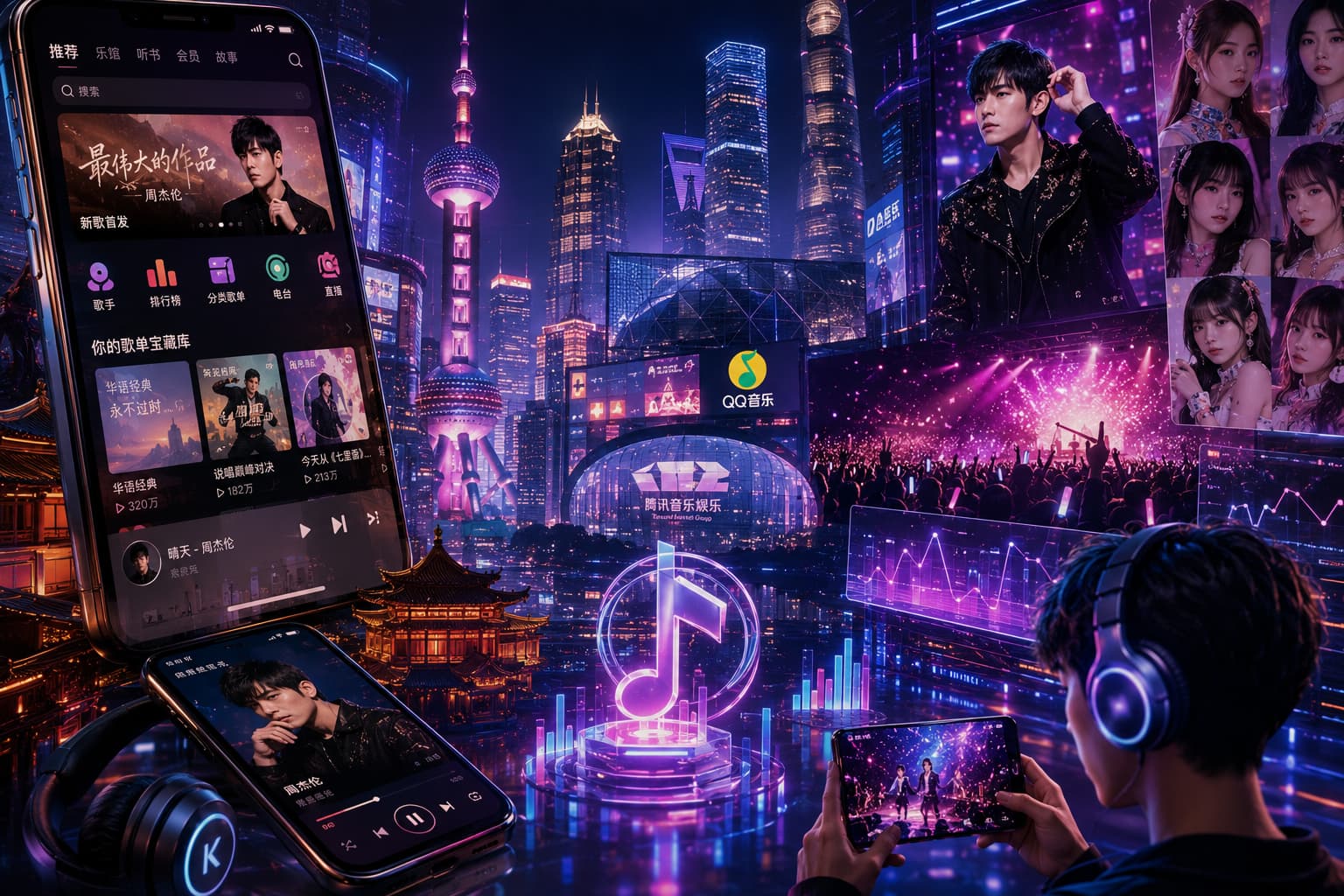
C-Pop doesn't run on Spotify, YouTube, and Instagram. It runs on Tencent Music, NetEase Cloud Music, Weibo, Douyin, and Bilibili — a parallel ecosystem with its own stars, its own fan culture, and its own rules.

Quick Overview
The Scale
Among the world’s top-five recorded-music markets (IFPI), anchored in a massive domestic audience.
The Walls
A parallel platform ecosystem — Tencent Music, NetEase, Weibo, Douyin, Bilibili — not Western apps.
The Read
Reach is visible; fit, platform dynamics, and compliance are not — which is where brands stumble.
Takeaway: C-Pop is a top-tier music economy hiding behind a parallel ecosystem — the brands that learn to read it find a large, lightly-contested opportunity.

Why C-Pop is hard to read from the outside

Three things make C-Pop opaque to Western teams. The platforms are different — discovery, fandom, and commerce run through Chinese apps most marketers have never used. The star system is different — mainland idols like Jackson Yee, Wang Yibo, Xiao Zhan, and Cai Xukun command enormous followings that barely register on Western charts, while Mandopop legends like Jay Chou and JJ Lin anchor the broader Chinese-language world. And the operating environment is different — content and fan-culture regulation shapes what artists can do and how campaigns are designed.

Market Signals · China (directional)
Top 5
China ranks among the world’s largest recorded-music markets by revenue
IFPI Global Music Report
100s of M
Tencent Music’s platforms (QQ Music, Kugou, Kuwo) reach hundreds of millions of users
Company disclosures
Parallel
Discovery and commerce run on Weibo, Douyin, and Bilibili — not Western platforms
WENOTIFT market read
Domestic
Local artists and platforms dominate; foreign brands need local partnership to participate
WENOTIFT intelligence

The platforms where C-Pop lives

If you don't know the platforms, you can't run the campaign. Five layers carry the C-Pop economy.

Platform Ecosystem
The apps that carry discovery, fandom, and commerce in C-Pop.
01
Tencent Music & NetEase Cloud Music
The streaming backbone — QQ Music, Kugou, and Kuwo under Tencent Music Entertainment, with NetEase Cloud Music as the culture-forward challenger.
02
Weibo
Where fandom organises — super-topics, trending charts, and the public square for artist news and fan mobilisation.
03
Douyin & Kuaishou
Short video for discovery and virality, and the engine behind the livestream commerce that turns attention into sales.
04
Bilibili
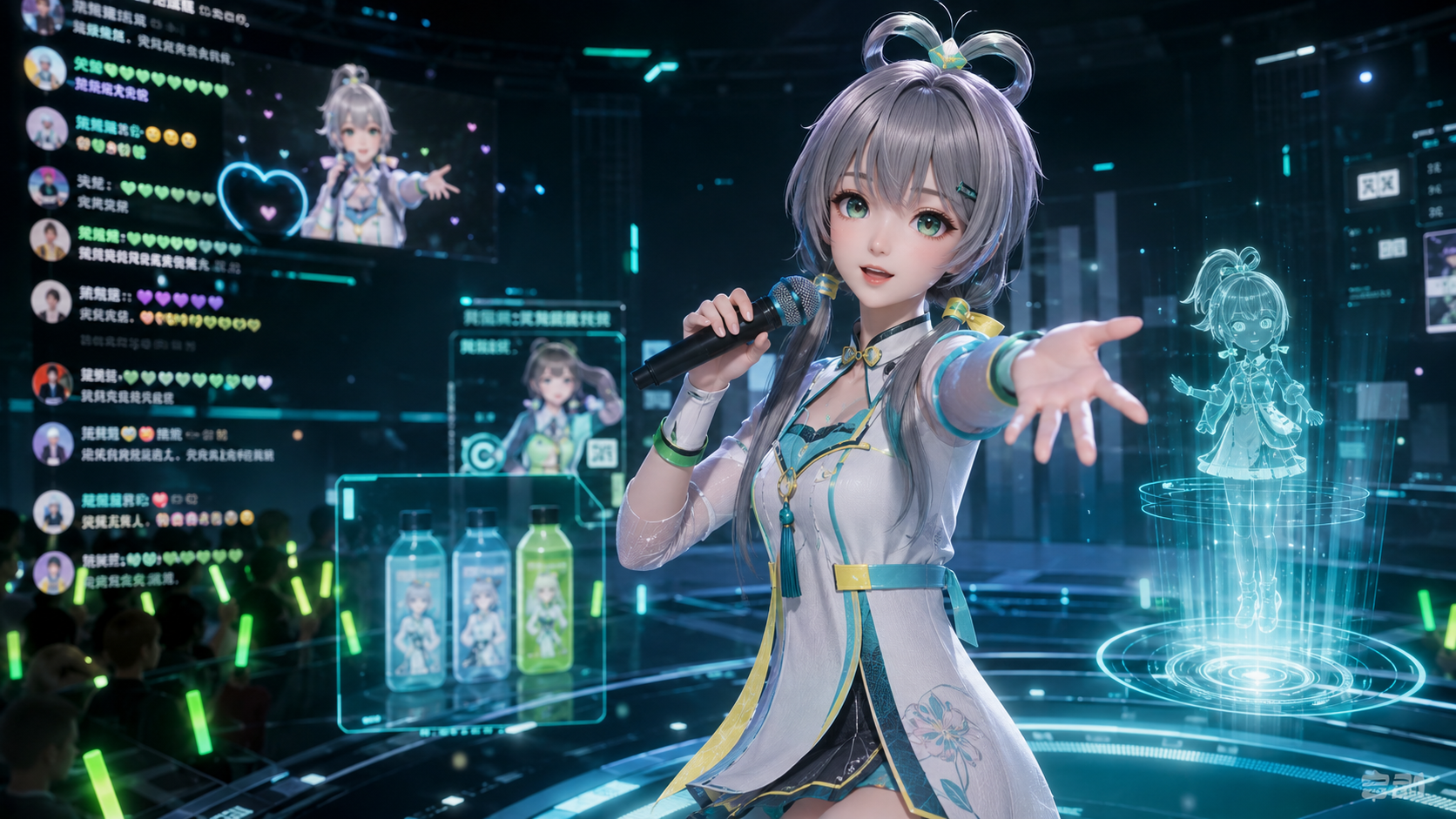
A younger, content-native community with deep crossover into anime, comics, and gaming (ACG) culture and virtual idols.
05
Taobao / Tmall & JD livestream
Where fandom converts — livestream shopping events that connect an artist moment directly to purchase.
Takeaway: a C-Pop campaign is a platform strategy first — you partner with the artist, but you activate across this stack.

What this means for brands

You can't port a K-Pop or Western playbook into C-Pop and expect it to work. The market rewards brands that understand the platform stack, partner locally, and design for the operating environment from the start. The upside is a massive, commercially active audience most global competitors still can't read. For how the genres differ, see our comparison of K-Pop, C-Pop, J-Pop and Thai fandom economies, and for the regional numbers, our fandom commerce market size report. Reading markets like this — platforms, stars, and rules together — is what WENOTIFT's intelligence layer does.

Market Intelligence

Learn to read the C-Pop market.

Talk to WENOTIFT about how China’s music economy actually works — platforms, artists, and the operating environment — and where your brand fits.

WENOTIFT // Culture–Commerce Intelligence Layer
WENOTIFT structures how global brands enter, evaluate, and scale within Asia’s fandom economies — connecting strategy, intelligence, and commercial execution across K-Pop, C-Pop, J-Pop and Thai entertainment.
System Layers
Korea // Entertainment Layer
China // Entertainment Layer
Japan // Entertainment Layer
Thailand // Entertainment Layer
Content // Studio Layer
Live // Activation Layer
System Role: Architecting brand participation across Asian entertainment ecosystems.
FAQ

Frequently asked questions

What is C-Pop?+

C-Pop is Chinese-language popular music, spanning Mandopop (Mandarin) and Cantopop (Cantonese). It includes mainland mega-idols such as Jackson Yee, Wang Yibo, Xiao Zhan, and Cai Xukun, alongside Mandopop legends like Jay Chou and JJ Lin who anchor the broader Chinese-speaking world.

How big is the C-Pop and China music market?+

China is among the world’s top-five recorded-music markets by revenue, according to the IFPI Global Music Report, and it’s growing. The streaming layer alone is enormous — Tencent Music Entertainment’s platforms (QQ Music, Kugou, Kuwo) reach hundreds of millions of users.

Why is the C-Pop market hard for Western brands to read?+

Because it runs on a parallel ecosystem. Discovery, fandom, and commerce happen on Tencent Music, NetEase Cloud Music, Weibo, Douyin, and Bilibili rather than Western apps; the star system is largely invisible on Western charts; and content and fan-culture regulation shapes how campaigns must be designed.

Which platforms matter for C-Pop?+

The core stack is Tencent Music (QQ Music, Kugou, Kuwo) and NetEase Cloud Music for streaming, Weibo for fandom organisation, Douyin and Kuaishou for short-video discovery and livestream commerce, Bilibili for younger content-native communities, and Taobao/Tmall and JD livestream for conversion.

Can foreign brands partner with C-Pop artists?+

Yes, but typically through local partnership and platform-native campaigns designed for the operating environment. A C-Pop campaign is a platform strategy as much as an artist deal, and brands that port a Western or K-Pop playoff directly tend to underperform.

More articles that will interest you

View all →
Ready to activate your brand in Asia?
← More Insights